How to Manage Multiple Orders Effectively in Barrel Plating
How to Manage Multiple Orders Effectively in Barrel Plating In the high-pressure environment of a modern finishing shop, the ability to juggle numerous projects simultaneously is the difference between a thriving business and one that struggles with overhead. Managing high-volume throughput in Barrel Plating requires more than just mechanical skill; it demands a strategic approach to organization and data management. When multiple orders enter the queue, the risk of “cross-contamination” of job details or chemical imbalances increases exponentially without a unified tracking system. Achieving this level of operational excellence starts with integrating the right digital tools into your daily workflow. At Proplate you can see how our specialized platform is designed to handle the unique complexities of small-part finishing. Modern shops no longer rely on memory or paper logs; they utilize advanced systems to ensure that every order, from fasteners to complex connectors, moves through the line with surgical precision. Implement a “digital traveler” system to ensure that part specifications and customer requirements follow the job at every stage of production. Monitor tank chemistry in real-time to avoid downtime caused by exhausted electrolytes or imbalanced pH levels during peak periods. Utilize automated alerts to notify operators when a specific batch is nearing completion, allowing for seamless transitions between different customer orders. Leveraging Job Shop Software for Order Visibility The first step in managing a multi-order environment is achieving total visibility through specialized job shop software. In a barrel-based setup, parts are constantly tumbling, making it impossible to “see” the progress of an individual piece without stopping the line. A centralized software solution provides a virtual window into every barrel, tracking immersion times and electrical current application without physical intervention. To help your team get up to speed with these advanced tracking methods, we offer detailed software tutorials that cover everything from job entry to final shipping. These guides ensure that every operator understands how to input data correctly, which is the foundation of a reliable digital workflow. Training your staff to use these tools effectively is the most important step in eliminating the “human error” factor during high-volume production runs. A centralized system creates a transparent workflow where production erp capabilities allow for dynamic scheduling and resource allocation. When every job is tracked digitally, managers can identify bottlenecks before they cause a shutdown, ensuring that labor and materials are used at peak efficiency. This visibility is essential for maintaining the thin margins required in competitive industrial sectors today, especially when managing high-volume runs. Optimization Through Manufacturing Management Software Managing multiple orders effectively also requires a deep focus on resource allocation, which is where manufacturing management software becomes indispensable. Each barrel in the line represents a significant investment in energy and chemicals; therefore, underloading or overloading a barrel can lead to uneven coating or wasted resources. Proper software calculates the ideal load based on part geometry and surface area automatically. Adhering to these calculated load capacities prevents the “nesting” of parts, which often occurs when a barrel is too crowded. By maintaining the correct density, you ensure that every part receives an even distribution of metal ions, resulting in a consistent finish that meets strict quality standards. This precision reduces the need for expensive rework, which can cost three to six times more than the original plating process. Standardize your pre-treatment protocols to ensure that every batch, regardless of its end-use, starts with a perfectly clean and reactive surface. Track the lifespan of your “danglers” and barrel mesh within the system to perform maintenance before equipment failure causes an order delay. Use historical data to predict turnaround times more accurately, allowing your sales team to provide realistic delivery dates to your customers. Scaling with Manufacturing Improvement Software As your shop grows, the complexity of managing dozens of simultaneous orders can become overwhelming without manufacturing improvement software. This category of technology focuses on identifying “bottlenecks” in your process stages where orders tend to stall or where chemical consumption is higher than expected. By analyzing this data, you can make informed decisions about where to add capacity or adjust your chemistry. For example, if the software indicates that your rinsing stage is a constant bottleneck, you can implement counter-flow rinsing or add a dedicated rinse station to keep the line moving. These incremental improvements, driven by data rather than guesswork, allow your facility to handle higher volumes with the same amount of labor. It transforms your operation from a reactive job shop into a proactive production powerhouse. Maintaining a clear audit trail is another critical benefit of a centralized production erp. In industries like aerospace or medical device manufacturing, providing a Certificate of Conformance (CoC) for every batch is non-negotiable. Digital tracking ensures that every parameter from current density to immersion time is recorded and easily retrievable, making audits a stress-free part of your daily operations rather than a looming crisis. Automate the generation of quality reports to save hours of manual data entry for your administrative and quality control teams. Link chemical dosing pumps directly to your software to maintain perfect bath concentrations automatically during long production runs. Empower operators with touchscreen terminals at each station, providing them with clear instructions and a way to log progress instantly. Master Your Barrel Plating Production with PROPLATE™ The challenge of handling multiple high-volume orders doesn’t have to result in chaos on your shop floor. By implementing our industry-leading job shop software, you gain the precision and visibility required to scale your operations without sacrificing quality or customer trust. Contact us today to learn how ProPlate™ can be tailored to your specific finishing needs, helping you turn complex logistics into a streamlined competitive advantage. Our team of experts is ready to show you how a centralized platform can eliminate the headaches of manual scheduling and drive your shop toward a more profitable, data-driven future. Schedule a Demo Download Now! 8 Proven Surface Finishing Techniques Every Professional Should Know PROPLATE™ delivers a range of features designed to help manufacturers optimize their barrel plating operations, reduce
How to Eliminate Scheduling Conflicts in Your Barrel Plating Shop
How to Eliminate Scheduling Conflicts in Your Barrel Plating Shop In the fast-paced world of chemical processing, the ability to manage high-volume orders without hitting a bottleneck is the ultimate mark of a successful facility. Barrel Plating operations are unique because they rely on bulk processing, where hundreds or thousands of small parts tumble together in a single vessel. While this efficiency is a major draw for customers in sectors like automotive and electronics, it creates a massive headache for production managers trying to keep the schedule clear of overlaps. Managing a shop floor without a centralized system often leads to missed deadlines and expensive machine idle time. By exploring the innovative features of PROPLATE™, you can see how our advanced surface finishing software simplifies these complex workflows for owners who are tired of manual errors. Integrating a digital solution like this is no longer a luxury but a necessity for shops that want to maintain a competitive edge in 2026. The Hidden Costs of Manual Production Scheduling Traditional scheduling often relies on whiteboards or static spreadsheets that cannot update in real-time when a tank goes down or a chemical bath needs titration. These manual methods fail to account for the dynamic nature of a surface finishing shop software environment where priorities shift every hour. When two different jobs are promised the same barrel at the same time, the resulting conflict ripples through the entire week. Real-time visibility into tank capacity prevents accidental overbooking of equipment. Digital tracking eliminates the risk of “lost” paper travelers on the shop floor Automated alerts notify supervisors of chemical imbalances before they cause downtime. A lack of visibility into tank capacity and worker availability means that supervisors are often guessing rather than planning. This “guesswork” results in underutilized equipment or, worse, overcommitting the shop’s resources, which leads to employee burnout and physical fatigue. Without the best surface finishing software, the cost of these small human errors adds up to thousands of dollars in lost revenue and wasted chemicals every month. Implementing Real-Time Capacity Planning To truly eliminate conflicts, a shop must understand its true capacity, which is often limited by the slowest part of the process. Using manufacturing production software helps you calculate the “tact time” for each load, allowing for a schedule that flows logically without stacking up at the hoist. This precision ensures that high-priority orders move through the line without getting stuck behind lower-value, high-volume bulk jobs. Dynamic calendars adjust automatically when rush orders are inserted into the queue. Predictive maintenance scheduling ensures barrels are serviced during low-traffic hours. Centralized data allows for instant communication between the lab and the production line. Modern systems use advanced algorithms to suggest the best sequence for jobs based on the specific chemistry of the tanks and the required coating thickness. By utilizing manufacturing process software, operators no longer have to manually decide which job comes next; the system presents the most efficient path. This removes the “human element” of cherry-picking jobs, which is a frequent cause of disorganized shop floors. Strategic Integration of Quality and Scheduling Scheduling is not just about time; it is about ensuring that the quality of the finish remains consistent even during peak production hours. A production erp system integrates your quality checkpoints directly into the timeline, so a job cannot move to the next stage until it passes inspection. This prevents “phantom capacity” where the schedule looks clear, but the floor is actually full of parts waiting for a quality sign-off. By connecting your chemical test results to your production calendar, you can schedule maintenance and tank “adds” during natural breaks in the workflow. This proactive approach, powered by manufacturing erp saas, means you never have to stop a spinning barrel because a bath has fallen out of spec unexpectedly. It aligns the needs of the laboratory with the demands of the production floor, creating a harmonious and predictable environment. The ability to provide customers with accurate lead times is perhaps the greatest benefit of a well-organized shop. When your jobshop erp tracks every movement, you can give clients real-time updates on their orders instead of vague estimates. This transparency builds trust and positions your business as a reliable partner in their supply chain, leading to long-term contract renewals. Maximize Your Efficiency with Proplate Tools If you are ready to stop fighting your schedule and start growing your business, it is time to see a digital solution in action. Proplate understands the unique challenges of the surface finishing industry and has designed a platform that speaks your language. Explore our extensive library of tutorials to see exactly how our software handles everything from bulk invoicing to real-time shop floor tracking. Schedule a call with our specialists today to see how our plating anodizing software can reduce waste, Schedule a Demo Download Now! 8 Proven Surface Finishing Techniques Every Professional Should Know PROPLATE™ delivers a range of features designed to help manufacturers optimize their barrel plating operations, reduce downtime, and minimize costly maintenance. Here’s how it works: 1. Predictive Maintenance: Prevent Issues Before They Happen PROPLATE™ uses advanced data analytics to predict when equipment might fail, allowing manufacturers to address potential issues before they cause disruptions. By continuously tracking the performance of barrel plating equipment—including motor speeds, bath chemistry, and barrel rotation—PROPLATE™ identifies patterns that indicate impending wear or failure. With predictive maintenance alerts, operators and maintenance teams can schedule repairs or replace parts proactively, minimizing unplanned downtime and reducing the risk of major breakdowns. This data-driven approach leads to more efficient operations, fewer equipment failures, and a more reliable barrel plating process. 2. Real-Time Monitoring and Control for Maximum Efficiency Real-time monitoring is one of the most powerful features of PROPLATE™. The software provides continuous data on plating conditions, bath parameters, and equipment performance. This enables operators to identify anomalies or inefficiencies immediately. By adjusting variables like plating time, barrel speed, and bath temperature in real-time, operators can keep the process running smoothly and reduce the chances of
8 Common Production Challenges in the Surface Finishing Industry and How Software Solves Them

8 Common Production Challenges in the Surface Finishing Industry and How Software Solves Them The surface finishing industry including plating, anodizing, powder coating, and chemical processing plays a vital role in modern manufacturing. Finishing adds durability, corrosion resistance, and aesthetic quality to components used in automotive, aerospace, electronics, and consumer goods. Yet, behind the polished surfaces lie complex processes that demand precise coordination and consistent quality. Many shops still rely on fragmented tools like spreadsheets and paper logs to manage these intricate steps. This outdated approach leads to recurring production challenges that software can systematically solve. For decades, spreadsheets have been the default for scheduling, tracking chemical baths, recording quality checks, and calculating costs. At first, they appear flexible and familiar. However, as finishing operations become more complex with diversified orders and tighter deadlines, traditional methods create bottlenecks, miscommunication, and data errors. Today, digital tools especially surface finishing software and tailored manufacturing ERP software provide the structured, integrated environment needed to eliminate these problems and enable growth. Below, we explore the most common production challenges in the surface finishing industry and explain how modern software solves them, from scheduling to compliance all with real operational relevance and fact-based insights. 1. Limited Real-Time Production Visibility One of the biggest challenges in finishing operations is the lack of real-time visibility into job status. With disconnected spreadsheets and siloed data, managers lack accurate insight into where parts are in the workflow, which tanks are active, or whether chemical concentrations are in specification. This uncertainty makes it difficult to anticipate delays or adjust schedules quickly. In a dynamic shop floor environment, delays in one process step such as anodizing bath preparation ripple across subsequent tasks, causing inefficiencies. Without real-time data, teams react instead of planning proactively. The surface finishing industry centralizes data from all production steps and displays live information on dashboards. Managers immediately see job progress, bottlenecks, and resource utilization. This transparency means faster decisions, fewer missed deliveries, and improved coordination across departments. 2. Manual Scheduling and Coordination Errors Scheduling is especially complex in the surface finishing industry. Multiple tanks, chemical baths, and varied job sizes require careful coordination. Traditional scheduling systems often maintained in spreadsheets are static, prone to input errors, and lack the ability to adjust automatically when priorities change. Without intelligent scheduling, shops experience idle tanks, misallocated labor, and inefficient tooling use. Orders stack up, deadlines slip, and pressure builds on operations teams. Surface finishing software solves this through dynamic scheduling algorithms that factor in capacity, material availability, and job priority. Automated scheduling tools help allocate work without conflicts, update assignments in real time, and optimize resource utilization. This reduces idle time and enables more consistent throughput. 3. Inaccurate Costing and Quoting Accurate quoting is difficult in the surface finishing industry, especially when spreadsheets handle surface area calculations, chemical usage, labor rates, and machine time separately. When costs are underestimated, profit margins shrink. When overestimated, customers go elsewhere. Production cost estimates hinge on precise surface area measurements, load configurations, and chemical consumption variables that are hard to calculate by hand. Sheets of manual formulas are error-prone, especially under time pressures. Modern manufacturing ERP software includes built-in calculators and cost models specific to surface finishing workflows. These systems automatically compute surface areas, project resource usage, and estimate job costs using real historical data. The result is faster, more accurate quotes that improve profitability and customer confidence. 4. Chemical Management Challenges Chemical handling and management is a major operational component of the surface finishing industry. Many processes such as anodizing and plating depend on maintaining specific bath chemistries and concentrations to achieve quality results. Inaccurate tracking systems can lead to out-of-spec baths, wasted chemicals, and quality issues. Compliance with safety, environmental, and industry standards requires detailed documentation of chemical use, disposal, and safety procedures. Spreadsheets and paper logs make it hard to maintain accurate records or respond quickly to audits. Surface finishing software provides automated chemical tracking and real-time alerts for out-of-spec conditions. This ensures baths remain in tolerance, reduces waste, and automates compliance reporting. Integrated documentation features simplify audits and help maintain certifications such as ISO standards. 5. Quality Control and Traceability Gaps Consistent quality is non-negotiable in surface finishing. Customers expect identical finishes across batches and the ability to trace production history for each part. Spreadsheets lack mechanisms for linking quality data to specific production runs or chemical conditions. When defects occur, it can be challenging to trace root causes without detailed process records. Slow response times affect both quality and customer satisfaction. Software solutions centralize quality control records and attach them directly to production data. Real-time inspection tracking, automated test results logging, and integrated traceability improve defect detection and corrective actions. Shops gain confidence in quality while delivering consistent results. 6. Inventory and Supply Chain Inefficiencies Inventory management is another challenge for the surface finishing industry. Spreadsheets don’t provide real-time visibility into stock levels of chemicals, consumables, or finished goods. This can lead to stockouts at critical times or excess inventory that ties up working capital. ERP systems optimize inventory control with automated reorder triggers, consumption tracking, and supply chain visibility. Real-time insights help shops anticipate shortages and prevent disruptions, ensuring materials are available when needed without overstocking. 7. Workforce Constraints and Skill Gaps Like many manufacturing sectors, the surface finishing industry faces workforce shortages and skill gaps. Manual data entry, scheduling, and reporting take time and distract skilled technicians from value-added tasks. Software automation reduces the burden of repetitive tasks, allowing experienced operators to focus on critical production decisions. This enhances job satisfaction, reduces burnout, and improves retention. Additionally, integrated systems consolidate knowledge, making it easier for new employees to get up to speed. 8. Scalability and Growth Limitations As finishing businesses expand with more complex orders or additional production lines, spreadsheets fail to scale. Manual processes become increasingly chaotic, creating inefficiencies that slow growth. Surface finishing ERP systems are built to scale. They support multi-location operations, complex workflows, and growing order volumes without performance issues. Cloud-based
Why PROPLATE™ Is the Future of Surface Finishing and Manufacturing ERP

Why PROPLATE™ Is the Future of Surface Finishing and Manufacturing ERP In the fast-paced world of surface finishing, manufacturers face unique challenges: tight production schedules, the constant need for quality control, and the ever-growing pressure to reduce costs without compromising precision. Managing complex workflows, tracking orders across multiple stages, and ensuring compliance with strict industry standards can often feel like an overwhelming juggling act. Surface finishing companies are constantly on the lookout for ways to streamline operations, reduce waste, and improve efficiency while staying competitive in a market that demands excellence at every turn. This is where PROPLATE™ comes in—a robust, next-generation ERP solution designed specifically to address these pain points and transform the way surface finishing businesses operate. 1. Simplifying Complex Workflows with Integrated OperationsSurface finishing is an intricate process that involves numerous stages: from order tracking and scheduling to chemical management and quality assurance. Traditional methods often lead to inefficiencies, data inconsistencies, and delays. PROPLATE™ solves this by integrating all operations into a single, comprehensive platform.This unified system allows your team to track orders in real-time, manage scheduling dynamically, and ensure every aspect of production runs smoothly. The result? A significant reduction in manual effort, faster turnaround times, and fewer errors in production. 2. Dynamic Scheduling That Adjusts in Real-TimeOne of the most time-consuming tasks in surface finishing is constantly updating schedules based on changing priorities. With PROPLATE™, dynamic scheduling allows you to create schedules that update across all stations in real-time, making it easier to adjust on the fly and keep operations running smoothly. No more scrambling to update paper-based schedules or dealing with the headache of miscommunication across departments. PROPLATE™ automates the process, improving workflow efficiency and boosting overall productivity—helping you meet deadlines with ease. 3. Precision Surface Area Calculations for Complex Parts Surface finishing operations often involve handling parts with complex geometries. Calculating the precise surface area and determining optimal part load capacities can be a daunting task without the right tools. PROPLATE™ excels in this area, providing accurate calculations for complex part geometries that ensure you’re maximizing material usage while reducing waste.This level of precision helps businesses not only improve operational efficiency but also avoid unnecessary material costs, leading to significant savings over time. This level of precision helps businesses not only improve operational efficiency but also avoid unnecessary material costs, leading to significant savings over time.4. Optimizing Chemical Management and CostingChemical costs are a significant factor in surface finishing, and managing these expenses can be tricky, especially when dealing with multiple tanks and complex chemical mixtures. PROPLATE™ simplifies chemical tracking by allowing you to monitor chemical concentrations in real-time and accurately calculate chemical costs per pound, gallon, or barrel. This feature not only ensures you’re using chemicals efficiently but also helps reduce waste, lower operating costs, and improve your bottom line. 5. Streamlined Quotation & InvoicingGenerating quotes and invoices for customers can be a tedious and error-prone process. PROPLATE™ makes this easier with its built-in quotation and invoicing system. With just a few clicks, your team can create and send accurate quotes based on up-to-date production data, making the process quicker and more reliable. The automation of these tasks frees up time for your team to focus on higher-value activities, helping you serve customers faster and improve cash flow. 6. Seamless Integration with Existing Systems Transitioning to a new software system often comes with fears of data loss and system incompatibility. PROPLATE™ has been designed with seamless integration in mind, meaning it works smoothly with your existing systems, preserving historical data and ensuring a smooth transition without disruptions to your operations. This makes it easier for your team to adapt and get the most out of the software, without having to start from scratch or re-train your staff extensively. 7. Ensuring Quality Control with Built-In ISO ComplianceMaintaining quality control is a non-negotiable part of surface finishing, especially in industries like aerospace, automotive, and defense. PROPLATE™ helps businesses meet ISO 9000 standards with its built-in quality assurance system that tracks every step of the process. This ensures that every job meets strict industry guidelines, reducing the risk of errors, rework, and customer complaints. With PROPLATE™, you’re not only streamlining operations but also ensuring the highest quality at every stage, from initial processing to final delivery. 8. Maximizing Load Capacities and Minimizing Downtime Another key challenge in surface finishing is maximizing production efficiency while minimizing downtime. PROPLATE™ helps you optimize load capacities and reduce turnaround times by providing actionable insights into your operations. By maximizing the use of available resources, PROPLATE™ helps you increase output, reduce delays, and ultimately improve profitability. 9. Continuous Support and On-Demand Consulting The surface finishing industry is dynamic, and so are your business needs. PROPLATE™ goes beyond just providing software—it offers ongoing support and on-demand consulting to help you continuously optimize your operations. Whether you need assistance with system setup, troubleshooting, or customized solutions, our team of experts is always available to help. 10. The Future of Surface Finishing ERP: PROPLATE™ The surface finishing industry is evolving, and so is the technology that drives it. PROPLATE™ is not just an ERP system—it’s a transformative solution that will change how you manage your operations, improve quality control, and increase efficiency. By digitizing, automating, and optimizing key processes, PROPLATE™ helps you stay ahead of the curve and meet the demands of today’s competitive market. Final Thoughts PROPLATE™ is the future of surface finishing ERP, offering a comprehensive solution to help businesses solve their most pressing challenges. By providing real-time insights, improving efficiency, and ensuring compliance, PROPLATE™ empowers companies to achieve better results, reduce costs, and enhance customer satisfaction. Ready to take your surface finishing operations to the next level? Request a quote or schedule a demo today to discover how PROPLATE™ can transform your business. Schedule a Demo Download Now! 8 Proven Surface Finishing Techniques Every Professional Should Know PROPLATE™ delivers a range of features designed to help manufacturers optimize their barrel plating operations, reduce downtime, and minimize costly maintenance. Here’s
The Benefits of Cloud-Based ERP Solutions for Barrel Plating Operations

The Benefits of Cloud-Based ERP Solutions for Barrel Plating Operations The surface finishing industry operates on a razor’s edge of precision, where tiny variations in process can lead to costly material waste and reworks. For operations centered around Barrel Plating, achieving consistent, high-quality results is paramount to maintaining a competitive edge. Traditional management systems often struggle with the complexity and dynamism of these manufacturing environments. This is where a dedicated Cloud-Based ERP Solution emerges as a revolutionary tool. It moves beyond outdated spreadsheets and paper trails, providing a single, unified platform for managing every aspect of the shop floor. By adopting Our Surface Finishing Software, you gain the digital advantage necessary to thrive in a demanding global market. It delivers the speed and accuracy that manual processes simply cannot match. A robust surface finishing erp software designed for metal surface finishing offers critical capabilities not found in generic systems. It helps job shop management software users address the unique challenges of small-batch, high-complexity work, especially in a job shop environment. Crucial benefits include: Real-time data synchronization across all departments for improved decision-making. Enhanced visibility into production bottlenecks and machine utilization rates. Streamlined quotation, order processing, and comprehensive quality assurance protocols. Optimizing Precision Through Process Control In Barrel Plating, the consistent distribution of current and chemicals is critical to achieving uniform coating thickness. Manual calculations of part surface area and optimal load capacity are often prone to error, directly impacting the quality and cost of the finished product. A Cloud-Based ERP Solution automates these highly technical calculations. By leveraging advanced algorithms, modern Barrel Plating Software can instantly calculate the precise surface area of complex part geometries. It determines the optimal load capacity for each barrel, factoring in part weight, density, and required coating thickness. This data-driven approach dramatically reduces the risk of rework and ensures first-time quality. This automation extends to the heart of the finishing process: chemical management. The system transforms how plating shops handle their baths, moving from reactive maintenance to proactive management. The system provides: Automated tracking of chemical concentration, usage, and replenishment schedules. Accurate cost-per-unit calculation based on real-time chemical consumption data. Digital logging of laboratory test results, ensuring compliance with strict industry standards. Dynamic Scheduling and Enhanced Shop Floor Efficiency A typical job shop management software environment, especially one focused on metal surface finishing, faces constant changes in customer orders and production priorities. Static schedules quickly become obsolete, leading to downtime, missed deadlines, and poor resource utilization. This lack of agility is a major drag on productivity. Enterprise resource planning systems housed in the cloud provide the necessary agility through dynamic scheduling capabilities. If an unexpected machine outage occurs, or a high-priority order is received, the system instantaneously updates the entire production schedule. This real-time visibility is vital for maintaining high throughput in a demanding manufacturing environment. The cloud architecture further connects the front office directly to the shop floor. Operators use tablets or terminals to log job progress, material consumption, and quality checks instantly, eliminating paper processes. This digital connectivity ensures that managerial dashboards reflect true, up-to-the-second operational status. This results in: Significantly reduced non-productive time by minimizing the need for manual data entry. Immediate identification of potential bottlenecks or delays in the plating line. Improved labor tracking and allocation of personnel based on current workflow needs. Driving Down Costs and Improving Financial Foresight One of the most immediate benefits of migrating to a Cloud-Based ERP Solution is the shift from a capital expenditure model to a more manageable operational expenditure. The subscription-based Software-as-a-Service (SaaS) model eliminates massive upfront investments in hardware, server maintenance, and dedicated IT staff. This makes sophisticated technology accessible to even small-to-midsize metal finishing company job shops. Beyond IT savings, the system’s precision controls translate directly into material cost reduction. By optimizing load capacities and precisely managing chemical consumption, shops minimize waste of expensive plating solutions. Accurate job costing, estimated right at the quotation stage, prevents underpricing and maximizes the profitability of every order. The comprehensive nature of the ERP allows for superior financial integration and reporting. All operational data—from raw material cost to labor time—is consolidated into a single system. This centralized data eliminates guesswork and empowers leadership with clear, actionable insights for long-term strategic planning. This includes: Accurate estimation of profitability per customer and per job order. Enhanced cash flow management through integrated invoicing and billing systems. Data security and disaster recovery handled automatically by the cloud provider, reducing business risk. Compliance, Scalability, and Future-Proofing The surface finishing industry is heavily regulated, often requiring stringent adherence to standards like ISO and NADCAP, especially for clients in aerospace or defense. A Cloud-Based ERP Solution is designed with compliance embedded into its core workflow. It provides a complete digital paper trail for every component, process, and test result. The system enforces quality checks at every critical stage of the Barrel Plating process, from receiving to final inspection. Document management is centralized, ensuring that auditors and customers can quickly access necessary certifications and process histories. This automatic traceability streamlines audits and reduces the administrative burden on the quality assurance team. Furthermore, cloud systems are inherently scalable, a crucial feature for any growing job shop software. Whether a shop adds a new plating line, increases its user count, or expands into new processes like rack plating, the enterprise resource planning platform adapts easily without costly hardware overhauls. This ensures that the system is a partner in growth, not a constraint. The flexibility of a modular, subscription-based model allows the software to grow with the business’s unique needs, proving its value as a long-term investment. Unlocking the Next Era of Surface Finishing The shift to a Cloud-Based ERP Solution is more than just a software upgrade; it is a strategic business decision that positions a metal surface finishing operation for industry leadership. It moves job shops from reactive firefighting to proactive, data-driven management. The core benefits—precision, efficiency, and financial clarity—are indispensable for today’s complex Barrel Plating operations. By integrating the shop floor, finance,
Electroplating 4.0: The Role of ERP in Advanced Plating Technology
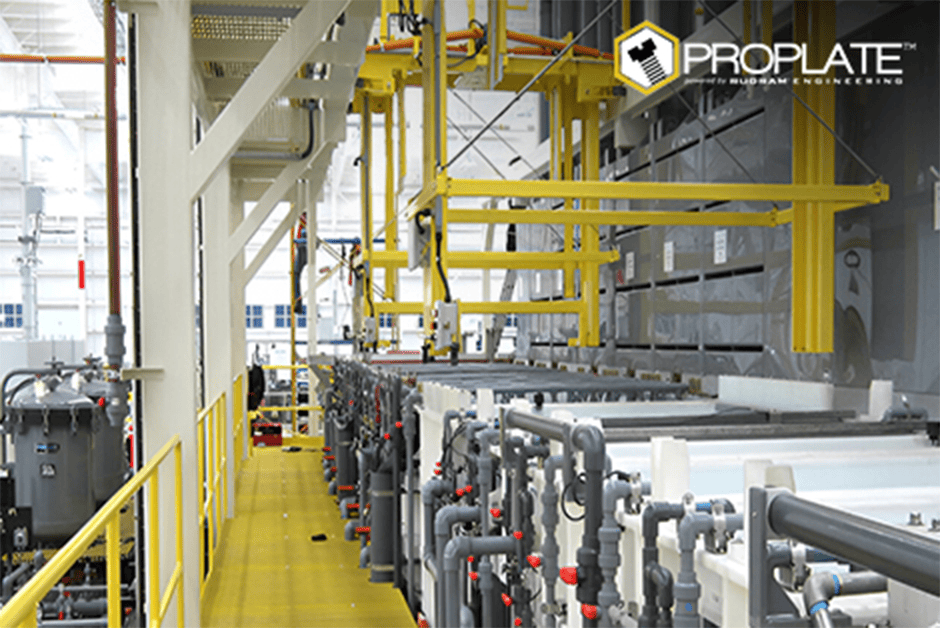
Electroplating 4.0: The Role of ERP in Advanced Plating Technology The surface finishing industry is undergoing a profound transformation, moving from traditional manual processes to a digitized ecosystem known as Electroplating 4.0. This evolution is driven by the imperative to increase precision, reduce costs, and ensure absolute compliance in an increasingly complex global market. The backbone of this digital revolution isn’t merely automation; it’s the implementation of specialized Enterprise Resource Planning (ERP) systems. The move to advanced surface finishing processes requires unparalleled data management and operational integration. Without a centralized system, managing complex variables like bath chemistry, rack loading, and dynamic scheduling becomes impossible to optimize at scale. This new paradigm demands robust, industry-specific ERP solutions—your key to seamless production. This shift represents a necessary adoption of interconnected technologies, fundamentally changing how job shops handle quality control, costing, and production flow. The successful transition to Electroplating 4.0 hinges on choosing the right specialized plate software designed for the unique challenges of metal finishing. The Digital Evolution of Plating: Understanding Electroplating 4.0 Electroplating 4.0 is the surface finishing sector’s answer to Industry 4.0, integrating Cyber-Physical Systems, the Internet of Things (IoT), and Artificial Intelligence (AI). This means plating lines are no longer standalone systems but fully connected data-generating assets. The goal is to create smart factories that can self-optimize in real time, minimize waste, and predict maintenance needs. This advanced framework moves beyond simple machine automation to encompass predictive analytics and complete data transparency across the entire value chain. It’s about leveraging deep insights to achieve next-level process control, especially in sensitive areas like chemical surface treatment. The primary components driving the Electroplating 4.0 environment include: Real-time monitoring using integrated sensors in plating tanks and equipment. Machine Learning algorithms for predictive maintenance and quality forecasting. Interconnectivity of all shop floor devices and enterprise-level systems. Bridging the Gap: ERP as the Central Nervous System A specialized job shop management software acts as the central hub, collecting, processing, and analyzing the massive data streams generated by the connected plating line. It translates raw operational data from tank sensors and rectifiers into actionable business intelligence. This centralized approach eliminates the data silos that plague traditional manufacturing environments, connecting the office to the metal surface finishing floor. For a job shop, an ERP solution is what enables continuous traceability and compliance, critical for high-stakes industries like aerospace and medical. It ensures that every part is tracked from receipt through every process step and final shipment, maintaining a complete, auditable history. A robust ERP system designed for finishing operations delivers critical shop floor functionality: Shop Floor Management: Provides real-time Work-In-Progress (WIP) visibility and accurate tracking of parts through the plating line. Chemical Management: Monitors bath concentration, tracks replenishment needs, and accurately calculates the chemical cost per unit. Quality Assurance (QA): Manages quality data, automatically generating Certificates of Conformance (CoC) and linking results directly to the job order. Precision, Profit, and Compliance: ERP in Modern Finishing The inherent complexity of plating and anodizing—variable processing times, custom racking, and precise chemical control—makes generic ERP systems ineffective. Specialized job shop management software must handle unique, made-to-order work, where every batch may follow a different process routing. This specialization is key to maximizing profit margins. Accurate quoting is fundamental to profitability, yet it remains a challenge in surface finishing due to part geometry variations. Modern plate software includes precision surface area calculation tools, which are essential for accurate material consumption forecasts and pricing. This functionality dramatically reduces the risk of under-quoting complex jobs. The financial and regulatory pressures in the surface finishing industry are intense, making data-driven decision-making non-negotiable. Specialized plating anodizing software helps job shops thrive by offering: Cost Estimation Accuracy: Calculates costing in real-time based on material, energy, and chemical usage. Dynamic Load Optimization: Maximizes tank load capacity and minimizes cycle times, boosting overall throughput. Regulatory Compliance: Provides integrated tools for managing wastewater data, adhering to ISO/SAE standards, and streamlining audit preparation. Achieving Advanced Surface Finishing with Real-Time Data The quality standards for advanced surface finishing—especially for specialized Metal surface coatings used in automotive or defense—are demanding. Achieving uniform thickness and adhesion relies entirely on precise, real-time control over plating parameters. This is where the predictive capabilities of an integrated ERP system shine. By monitoring key variables like pH, temperature, and current density continuously, PROPLATE™ uses Statistical Process Controls (SPC) to maintain quality and prevent defects before they occur. This is predictive quality management, a hallmark of Electroplating 4.0, ensuring high first-pass yields. Furthermore, integrating maintenance modules with real-time operational data allows the ERP to shift from fixed, calendar-based maintenance to predictive scheduling. This approach ensures maximum equipment uptime and reduces unnecessary downtime, optimizing the entire production schedule. The competitive edge lies in the ability to produce high-quality finishes faster and with guaranteed consistency, driving customer satisfaction and growth. The Future is Integrated and Intelligent The transition to Electroplating 4.0 is not optional; it’s an operational imperative for long-term competitiveness in the surface finishing industry. Job shops that continue to rely on manual tracking, spreadsheets, and disconnected legacy systems face inevitable obsolescence and increasing compliance risk. The future belongs to companies that adopt specialized ERP platforms to centralize operations, automate compliance, and leverage AI-driven insights to optimize profitability. Embracing a modern production erp system transforms data into growth, ensuring your business is not just surviving but leading the charge in the digital era of plating technology. Ready to Digitally Transform Your Operations? If you are prepared to shed the limitations of legacy systems and step into the era of Electroplating 4.0, it is time to evaluate a specialized, industry-built solution. PROPLATE™ is specifically engineered to handle the nuances of Barrel Plating, anodizing, and heat treatment, providing the data-driven precision you need to excel. Discover the competitive advantages and enhanced visibility offered by the leading plate software solution—learn more about Why PROPLATE™ is the right choice for your job shop. Schedule a Demo Download Now! 8 Proven Surface Finishing Techniques Every Professional Should Know PROPLATE™ delivers a range
Why Barrel Plating Needs Smarter Chemical Management: The ERP Advantage
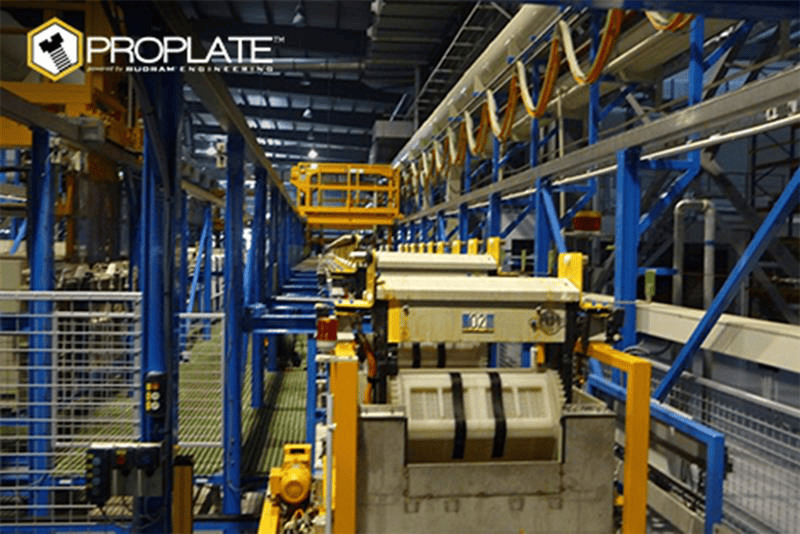
Why Barrel Plating Needs Smarter Chemical Management: The ERP Advantage Barrel plating operations in the metal finishing industry face unique challenges that go far beyond traditional manufacturing concerns. Unlike rack plating processes, barrel plating involves rotating cylindrical containers where parts tumble freely, creating complex chemical dynamics that demand precise monitoring and control. Modern manufacturing ERP software has emerged as a critical solution to address these operational hurdles. Why Barrel Plating Creates Complex Chemical Dynamics The intricacies of barrel plating operations create a perfect storm of chemical management challenges. Parts rotating in enclosed barrels experience different exposure patterns compared to static rack systems, leading to inconsistent chemical consumption rates and unpredictable drag-out volumes. These variations make traditional inventory tracking methods inadequate for maintaining optimal bath chemistry. Key Chemical Management Challenges in Barrel Plating Chemical surface treatment processes in barrel operations require constant attention to detail. The main challenges include: Irregular Chemical Depletion Patterns: Parts with varying geometries deplete chemicals at different rates, making it difficult to maintain consistent bath composition. Difficulty Predicting Drag-Out Rates: Different barrel designs and rotation speeds affect how chemicals cling to parts, complicating inventory planning. Complex Interactions Between Rotating Parts and Chemical Solutions: Tumbling parts create unpredictable chemical reactions and uneven surface treatment, impacting overall quality. Financial and Operational Impact of Poor Chemical Management The financial implications extend beyond material costs. When chemical baths operate outside optimal parameters, reject rates increase dramatically. Operations may need to reprocess parts or face customer complaints. Environmental compliance becomes more difficult when chemical usage patterns are unpredictable. Consequences of Inconsistent Chemical Monitoring Without real-time visibility into bath conditions, operators often resort to reactive maintenance rather than preventive management. This leads to: Emergency chemical additions Rushed bath corrections Increased downtime during critical production periods How Modern ERP Solutions Address Chemical Management Modern surface finishing software addresses these challenges through integrated chemical inventory management systems. These platforms: Track chemical consumption patterns Predict depletion rates based on production schedules Automatically generate reorder alerts Calculate optimal addition quantities based on analytical results and production throughput ERP Features Tailored for Barrel Plating Operations ERP software designed specifically for metal finishing operations provides comprehensive chemical tracking capabilities: Real-Time Monitoring of Chemical Inventory: Operators can monitor chemical levels across multiple bath lines instantly. Automated Calculation of Chemical Additions: Analytical test results are used to determine the precise amount of chemicals needed, reducing waste.Integration with Laboratory Systems: Seamless data flow between ERP and lab systems ensures accurate chemical management. From Reactive to Predictive Chemical Management Specialized ERP software transforms chemical management from reactive to predictive. By analyzing historical consumption patterns and identifying trends, the system provides early warning alerts when bath conditions begin to drift. This proactive approach reduces chemical waste and maintains consistent plating quality. Integrating Quality Control with Chemical Management When chemical management systems connect directly with quality tracking modules, operators gain immediate visibility into the relationship between bath conditions and finished part quality. This integration enables rapid identification of root causes when quality issues arise. Drag-Out Tracking and Chemical Recovery Modules ERP software includes specialized modules for: Drag-Out Tracking: Calculates precise drag-out volumes based on barrel design, rotation speed, and part geometry. Chemical Recovery Systems: Optimizes chemical usage while ensuring environmental compliance. Advanced Reporting for Data-Driven Decisions ERP systems provide management with detailed insights into: Chemical costs Usage trends Efficiency metrics Historical trends help identify seasonal patterns and long-term optimization opportunities, allowing data-driven decisions about suppliers, bath maintenance, and process improvements. Planning and Training for Digital Chemical Management The transition to digital chemical management requires careful planning and staff training. Successful implementations usually start with critical bath monitoring before expanding to full inventory management. Training should emphasize the connection between accurate data entry and improved operational outcomes. Future Developments in ERP for Barrel Plating Emerging ERP technologies promise even greater capabilities for barrel plating operations: AI Modules: Predict optimal chemical addition timing IoT Sensors: Provide continuous monitoring of bath conditions These innovations reduce manual intervention and enhance overall process control. Competitive Advantages of ERP-Driven Chemical Management Proper chemical management through ERP systems delivers benefits beyond cost savings: Consistent plating quality Reduced environmental impact Improved customer satisfaction These advantages directly translate into increased profitability and stronger market competitiveness. Take Action: Optimize Your Barrel Plating Operations Ready to transform your barrel plating chemical management? Schedule a consultation call to discover how PROPLATE™ can optimize your operations and deliver measurable improvements in efficiency, quality, and compliance. Schedule a Demo Download Now! 8 Proven Surface Finishing Techniques Every Professional Should Know PROPLATE™ delivers a range of features designed to help manufacturers optimize their barrel plating operations, reduce downtime, and minimize costly maintenance. Here’s how it works: 1. Predictive Maintenance: Prevent Issues Before They Happen PROPLATE™ uses advanced data analytics to predict when equipment might fail, allowing manufacturers to address potential issues before they cause disruptions. By continuously tracking the performance of barrel plating equipment—including motor speeds, bath chemistry, and barrel rotation—PROPLATE™ identifies patterns that indicate impending wear or failure. With predictive maintenance alerts, operators and maintenance teams can schedule repairs or replace parts proactively, minimizing unplanned downtime and reducing the risk of major breakdowns. This data-driven approach leads to more efficient operations, fewer equipment failures, and a more reliable barrel plating process. 2. Real-Time Monitoring and Control for Maximum Efficiency Real-time monitoring is one of the most powerful features of PROPLATE™. The software provides continuous data on plating conditions, bath parameters, and equipment performance. This enables operators to identify anomalies or inefficiencies immediately. By adjusting variables like plating time, barrel speed, and bath temperature in real-time, operators can keep the process running smoothly and reduce the chances of failure. Monitoring also helps maintain consistent plating quality, ensuring that products meet specifications and minimizing the need for rework or scrap. As a result, manufacturers experience less downtime for quality control checks and improvements. 3. Optimized Maintenance Scheduling: Minimize Unnecessary Intervals PROPLATE™ moves beyond traditional maintenance schedules by optimizing maintenance intervals based on real equipment usage and performance. Rather than following
Lessons from the Line: Why Barrel Plating Shops Stumble with ERP Adoption
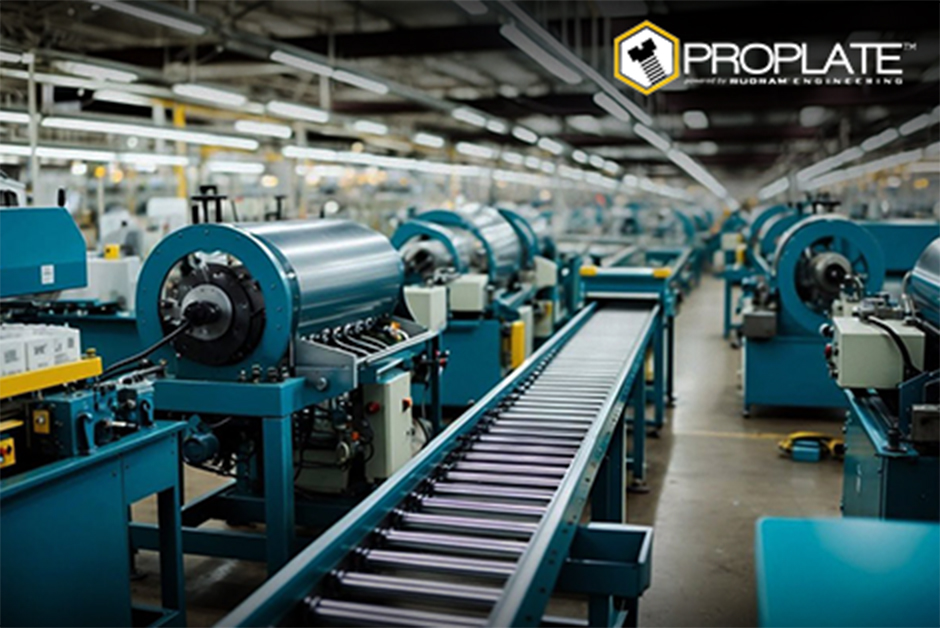
Lessons from the Line: Why Barrel Plating Shops Stumble with ERP Adoption The decision to implement an enterprise resource planning (ERP) system is a significant investment for any surface finishing facility. The goal—to achieve operational transparency, improve job costing, and streamline scheduling—is universally appealing. However, a consistent pattern of struggle and outright failure emerges, particularly within the specialized environment of Barrel Plating operations. These shops often choose generic manufacturing ERP software, expecting it to adapt to their unique, chemistry-driven workflows. The resulting dissonance between the software’s rigid design and the shop’s dynamic reality highlights five crucial lessons for any surface finishing company planning a digital transformation. The Problem of Nonlinear Process Flow The first major lesson is the fundamental mismatch between generic ERP design and the reality of Barrel Plating routing. Standard manufacturing erp software operates on a simple, sequential logic: step A, then B, then C. In a plating shop, however, a job rarely follows a fixed, linear Bill of Materials (BOM). Parts may require multiple trips through cleaning, stripping, or specific bath cycles. Jobs are often split between barrels or racks, routed back for rework, or held for critical quality checks that influence subsequent steps. A generic system chokes on this fluidity. Its scheduling module, designed for fixed assembly, quickly becomes outdated and unreliable when jobs deviate—which is nearly always the case. Operators are forced to manage their schedule manually, turning the expensive ERP into little more than a post-facto data entry system. Inadequate Capacity and Load Planning The second lesson reveals a failure in calculating capacity and consumption. In discrete manufacturing, capacity is often based on machine-hours or piece counts. In Barrel Plating Industries, capacity is measured by barrel volume, weight, and, most critically, surface area. Without a built-in, accurate Surface Area Calculator, generic software cannot determine the proper load size for a batch, nor can it accurately estimate the chemical consumption required to maintain bath integrity. This lack of essential, industry-specific functionality immediately compromises two core functions of the ERP: precise quoting and accurate scheduling. The consequence is a reliance on manual calculations and tribal knowledge to determine job load and cycle time, which undercuts the system’s ability to create an accurate, synchronized production plan. This deficiency also directly hinders financial accuracy, making job costing unreliable. Generic ERP platforms struggle because plating capacity is not a simple machine count, but a function of surface area and weight. Without accurate surface area calculations, the system cannot manage chemical dosing or load capacity. This forces shop management to override the system, compromising its central role as a planning tool. The Chemical and Quality Control Disconnect The quality of metal surface finishing is inextricably linked to bath chemistry, a concept that standard manufacturing erp software fails to grasp. For a plater, quality is not a standalone module; it is an integral part of the production step. Most general-purpose ERP systems treat quality control as a separate inspection gate. They do not allow for the real-time input and analysis of bath parameters, such as titration results, that dictate cycle times or maintenance needs. If the concentration of a critical chemical dips, the system must recognize that the process time needs adjustment, or the batch requires immediate maintenance. When this real-time link is missing, quality data remains siloed, preventing proactive decision-making. The shop cannot maintain end-to-end traceability that links a finished part’s quality certificate directly back to the chemical concentration of the bath it was processed in. This gap is a significant compliance and risk liability. The Overload of Customization and Technical Debt In an attempt to bridge the gaps in generic systems, many Barrel Plating shops embark on a path of extensive, costly customization. This is the fourth key lesson: forcing a square peg into a round hole creates significant, long-term technical debt. Every custom line of code added to a generic ERP makes it more expensive to maintain and exponentially harder to update. The shop effectively locks itself out of future vendor upgrades, security patches, and new features, turning the initial investment into a static, brittle liability. The customization effort often requires a deep, dedicated in-house IT team or expensive external consultants—resources that the typical metal finishing company cannot sustainably support. The system becomes a non-standard version of the software, isolated from the very ecosystem that was supposed to provide its longevity. The Failure of Shop Floor Adoption Finally, the most common reason for failure is not technical, but human. Generic manufacturing erp software is often designed for the office user—complex interfaces, desktop-centric forms, and lengthy data entry fields. This design is fundamentally incompatible with the fast-paced, often wet, environment of the plating shop floor. Operators need simple, robust, touch-friendly interfaces that let them log progress, enter readings, and identify the next step in seconds. When the new ERP slows them down or complicates their job, they naturally revert to familiar paper traveler tickets, whiteboards, or manual spreadsheets. This resistance is often compounded by inadequate, one-size-fits-all training that fails to show the operator how the system makes their specific job easier. When the software is perceived as a surveillance tool or an administrative burden, its adoption fails, and the business loses the real-time data it needs to function. The generic ERP interface is rarely designed for the realities of the shop floor environment. Operators perceive the complicated interface as a burden, leading to resistance to change and low adoption rates. Poor adoption means the system is fed poor data, leading to inaccurate scheduling, costing, and reporting. The Specialized Solution The collective experience of struggling Barrel Plating shops leads to one undeniable conclusion: specialization is mandatory. Dedicated systems, such as plating anodizing software solutions, are built with native features for dynamic routing, surface area calculation, integrated quality control, and shop-floor-first interfaces. By selecting a system that already understands the intricacies of the process, shops eliminate the need for crippling customization and are immediately equipped with the tools necessary for accurate costing, compliance, and real-time operational control. This strategic choice
Capacity Planning in E-Coating: Smarter Scheduling with PROPLATE™ for Higher Efficiency and Profitability

Capacity Planning in E-Coating: Smarter Scheduling with PROPLATE™ for Higher Efficiency and Profitability In today’s fast-paced surface finishing industry, E-Coating has become a cornerstone for shops seeking durable, high-quality coatings that meet both functional and aesthetic demands. Yet, delivering consistent results on time while maintaining profitability is no small feat. For many finishing job shops, the greatest challenge isn’t in the technical application of e-coating but in capacity planning and scheduling. With multiple lines running, fluctuating orders, and complex batch requirements, even a small miscalculation can lead to idle equipment, missed deadlines, and overtime expenses that erode margins. The solution lies in digital transformation — leveraging surface finishing software designed specifically for the complexities of e-coating. Instead of spreadsheets or manual planning, shops gain the ability to streamline workflows, dynamically adjust schedules, and maximize throughput without sacrificing quality. Why Capacity Planning Is the Core of E-Coating Success E-coating processes are highly interdependent. Each step — from pretreatment to immersion, curing, and inspection — must be carefully coordinated. Unlike continuous-flow operations, e-coating relies heavily on batch production, making scheduling a constant balancing act. When planning is inaccurate or outdated: Lines sit idle while others are overloaded. Inconsistent scheduling leads to bottlenecks in curing or rinsing. Rush orders create disruptions that throw off the entire workflow. Labor costs rise as staff scramble to adjust priorities mid-shift. The result isn’t just lost time; it’s reduced profitability and lower customer satisfaction. That’s why capacity planning has become one of the most critical areas for job shops aiming to compete effectively. The 3 Core Challenges of Multi-Line E-Coating Scheduling 1. Batch Complexity No two jobs are the same. Planners must account for part size, racking methods, chemical compatibility, and curing requirements. Without smart planning, tanks are underutilized, racks are inconsistently loaded, and more frequent line changes eat into profitability. 2. Lack of Real-Time Visibility Paper travelers and spreadsheets can’t deliver live updates. Managers often only discover bottlenecks after it’s too late to make adjustments. Without visibility, it’s nearly impossible to balance workloads across multiple lines. 3. Rapidly Changing Orders Customer demands shift constantly. Shops that lack digital agility find themselves tearing up schedules to accommodate urgent requests, leaving operators confused and production efficiency in decline. Why Traditional Planning Falls Short Even experienced schedulers hit limitations when relying on outdated methods: Spreadsheets may capture basic timelines but collapse under the weight of variable batch sizes, multiple lines, and shifting priorities. Whiteboards and clipboards provide localized visibility but leave leadership blind to bigger operational bottlenecks. Manual “gut feel” scheduling simply doesn’t scale as shops grow and customer expectations accelerate. These traditional methods leave shops exposed to inefficiency, inconsistency, and customer dissatisfaction. Smart Capacity Planning with PROPLATE™ This is where plating anodizing software becomes a game changer. Designed specifically for surface finishing, PROPLATE™ integrates scheduling, capacity planning, and profitability tracking into one seamless platform. Here’s how it transforms multi-line e-coating operations: 1. Centralized Scheduling Instead of managing each line separately, PROPLATE™ offers a unified dashboard where planners can oversee all lines at once. This makes it easy to identify overloads, gaps, and opportunities for batch optimization. 2. Dynamic Adjustments Customer requests change — but with PROPLATE™, the schedule adapts instantly. Managers can reprioritize jobs across lines with a few clicks, minimizing disruption while keeping throughput high. 3. Batch Optimization Smart sequencing ensures jobs are grouped logically based on process requirements. This reduces unnecessary tank cleanouts, eliminates wasted cycle time, and keeps lines running smoothly. 4. Resource Alignment Capacity isn’t just about machines; it’s about people too. PROPLATE™ helps align staff schedules with production needs, ensuring the right resources are available when and where they’re required. 5. Live Visibility Supervisors and managers see real-time progress updates directly in the system. Any delays or issues are flagged immediately, allowing corrective action before they turn into costly problems. The Payoff: Efficiency and Profitability Without Compromise When job shops use job shop management software like PROPLATE™ for capacity planning, the impact is immediate and measurable: Reduced downtime as equipment is fully utilized. Higher throughput without adding shifts or overtime. More accurate delivery dates, leading to stronger customer relationships. Stronger profit margins, with waste minimized and resources optimized. Implementing Digital Capacity Planning: A Realistic Path Transitioning to digital scheduling doesn’t have to be overwhelming. Successful shops typically follow a step-by-step approach: 1. Pilot on one line: Start small, refine workflows, and build internal confidence. 2. Identify champions: Train team members who can guide adoption across shifts. 3. Use real jobs: Populate the system with current orders for immediate impact. 4. Iterate: Review early results, make adjustments, and expand to all lines. By following this phased approach, shops see results quickly without disrupting daily operations. Why Going Digital Is No Longer Optional Capacity planning isn’t just an operational concern; it’s a strategic differentiator. Shops that rely on paper or spreadsheets simply can’t keep pace with the demands of today’s buyers. Customers expect reliable delivery, clear communication, and traceability. That requires more than experience — it requires surface finishing technology that unites the shop floor with management in real time. The longer a shop delays digital adoption, the more opportunities slip away to competitors who are already leveraging smarter tools. Conclusion: The Future of E-Coating Is Smarter Scheduling In e-coating, efficiency and profitability are built on the foundation of effective capacity planning. Multiple lines, fluctuating demand, and batch complexity make this process far too important to leave to guesswork. With modern surface finishing software, shops can move beyond reactive scheduling to a proactive, profit-driven model. PROPLATE™ equips E-Coating businesses with the clarity, flexibility, and control they need to streamline operations, delight customers, and scale with confidence. The message is clear: in the evolving world of e-coating, smart scheduling isn’t just about saving time — it’s about securing your competitive edge. Schedule a Demo Download Now! 8 Proven Surface Finishing Techniques Every Professional Should Know PROPLATE™ delivers a range of features designed to help manufacturers optimize their barrel plating operations, reduce downtime, and minimize costly
Rack Zinc Plating ROI: Cutting Costs & Increasing Quality with Smart ERP

Rack Zinc Plating ROI: Cutting Costs & Increasing Quality with Smart ERP In today’s competitive manufacturing landscape, rack zinc plating remains one of the most widely used finishing processes. From automotive and aerospace to electronics and construction, zinc plating protects metal components from corrosion, improves durability, and enhances product performance. However, as demand for rack zinc plating grows, shops are under immense pressure to deliver consistent quality, reduce lead times, and maintain profitability. The reality is that many surface finishing operations struggle with hidden costs, inefficient scheduling, and outdated tracking methods. This is where a smart ERP solution—such as PROPLATE™ Surface Finishing Software—creates a measurable return on investment (ROI). By digitizing workflows, streamlining shop-floor processes, and automating quality control, ERP transforms rack zinc plating shops into highly efficient, cost-optimized operations. In this article, we’ll break down: Why is rack zinc plating vital in modern industries The biggest challenges shops face in profitability and quality How ERP solutions like PROPLATE™ cut costs, improve quality, and boost ROI Real-world benefits of implementing surface finishing software Why Rack Zinc Plating Matters Zinc plating, especially when performed using rack methods, offers several critical advantages: Corrosion Resistance – Zinc protects steel and iron parts from rusting, extending service life. Uniform Coating – Rack plating provides precise, controlled coverage on complex parts. Aesthetic Value – A clean, bright finish improves visual appeal and brand perception. Functional Performance – Enhances conductivity, paint adhesion, and wear resistance. Industries ranging from automotive OEMs to aerospace suppliers rely on rack zinc plating for safety-critical components. But this reliance comes with challenges—especially in balancing cost efficiency with consistent quality. The Challenges in Rack Zinc Plating Shops Despite its importance, many plating shops experience bottlenecks that reduce profitability and damage customer trust. Key challenges include: Inefficient Scheduling – Without digital planning, jobs often pile up, leading to missed deadlines. High Rework Costs – Inconsistent quality or poor bath maintenance increases scrap and rework. Lack of Traceability – Tracking orders, chemical usage, or compliance data manually is error-prone. Rising Operational Costs – Energy, labor, and raw material costs continue to rise, squeezing margins. Customer Expectations – OEMs demand faster turnaround, detailed reporting, and guaranteed compliance. Simply put: traditional management methods no longer suffice. To remain competitive, rack zinc plating operations must adopt smarter systems. ERP for Surface Finishing: The Game-Changer Enterprise Resource Planning (ERP) systems are no longer just for large-scale manufacturers. With specialized surface finishing software like PROPLATE™, even small to mid-sized plating shops can optimize every aspect of their operations. Here’s how an ERP designed for plating shops directly impacts ROI: 1. Cost Reduction Through Smarter Resource Planning ERP tracks chemical usage, bath cycles, and power consumption in real time. Helps avoid overuse of chemicals, reduces downtime, and extends bath life. Optimizes labor allocation and reduces overtime costs. 2. Improved Quality Control Automated process monitoring ensures plating thickness and finish consistency. Digital compliance records eliminate paperwork errors. Quality metrics are instantly available for customer audits and certifications. 3. Faster Scheduling and On-Time Delivery ERP generates dynamic production schedules. Prevents bottlenecks by balancing workloads across racks. Improves customer satisfaction by guaranteeing reliable delivery windows. 4. Data-Driven Decision Making Management dashboards display KPIs like yield rates, plating times, and rework percentages. Owners can make proactive decisions instead of reactive fixes. 5. Customer Transparency & Compliance Customers increasingly demand detailed compliance reporting. ERP provides real-time traceability—from part intake to final delivery. Shops can demonstrate compliance with ISO, ASTM, and industry-specific standards. Why PROPLATE™ Leads the Way While generic ERP systems exist, few are built for rack zinc plating or other surface finishing operations. That’s where PROPLATE™ sets itself apart. Industry-Specific Modules – Designed for plating, anodizing, chemical processing, and other finishes. End-to-End Integration – From order entry to shipping, PROPLATE™ connects every workflow. Real-Time Tracking – Complete visibility into jobs, racks, chemical usage, and operator performance. Compliance Ready – Built-in reporting for industry regulations, OEM requirements, and audits. Scalable – Works for small job shops and scales seamlessly to multi-facility enterprises. With PROPLATE™ Surface Finishing Software, rack zinc plating shops can cut unnecessary costs, deliver consistent quality, and unlock sustainable profitability. The ROI of Implementing Plate Software Investing in ERP may seem like a big decision, but the ROI speaks for itself. Here’s what rack zinc plating shops gain with surface finishing ERP solutions: Reduced Scrap & Rework – Improved quality lowers waste, directly saving costs. 20–30% Faster Turnaround – Better scheduling and automation reduce delays. Lower Chemical Spend – Digital monitoring optimizes bath chemistry. Improved Customer Retention – Reliable quality and transparency keep clients loyal. Data-Backed Profitability – Real-time dashboards highlight profit centers vs. cost drains. In fact, many plating shops report achieving ROI within the first 12–18 months of implementation. A Realistic Example Consider a mid-sized plating shop that specializes in zinc rack plating for automotive suppliers. Before implementing ERP, the shop struggled with frequent rework, late deliveries, and escalating chemical costs. After introducing PROPLATE™, scheduling became automated, plating parameters were digitally tracked, and reporting was simplified. Within 12 months, the shop saw a 30 percent reduction in scrap, a 15 percent cut in chemical expenditures, and a measurable improvement in customer satisfaction scores. This case is not unusual. Across the industry, ERP adoption is proving to be one of the most reliable ways to achieve both operational stability and financial growth. Future-Proofing Your Rack Zinc Plating Business The future of plating will demand even greater transparency, speed, and sustainability. OEMs and aerospace customers already expect digital compliance records, fast turnaround, and proven process control. Shops that rely only on manual tracking risk falling behind. By adopting PROPLATE™ ERP, rack zinc plating shops can: Stay compliant with evolving standards. Win more contracts by demonstrating efficiency and traceability. Operate sustainably by minimizing waste. Scale operations confidently as demand grows. Final Thoughts Rack zinc plating is critical to modern manufacturing, but the economics are increasingly challenging. Shops that cling to outdated management methods face inefficiencies, rising costs, and unhappy customers. Smart ERP solutions like