Chemical Management Challenges Barrel Platers Face (and How ERP Helps)

Chemical Management Challenges Barrel Platers Face (and How ERP Helps) Barrel Plating is the workhorse of the surface finishing industry, efficiently coating millions of small, bulk parts like fasteners and stampings. It offers unmatched cost-effectiveness and high-volume production capabilities. However, this complex electroplating process comes with significant challenges, especially in chemical surface treatment and bath management, which directly impact quality, cost, and compliance. The Criticality of Chemical Management in Barrel Plating The success of Barrel Plating hinges entirely on the precise chemistry of the process bath. Unlike rack plating, where parts are fixtured, barrel plating requires the parts to tumble, which complicates current distribution and chemical uniformity. The constant movement of parts inside the barrel, and their intermittent contact with the anode, demands a meticulously controlled chemical environment. Slight variations in concentration, temperature can lead to disastrous plating defects such as poor adhesion, pitting, or nonuniform thickness, forcing costly rework or scrap. Core Chemical Management Roadblocks For an average metal finishing company, chemical management is a complex, multi-layered problem. It involves manual tasks, guesswork, and delayed reaction times, all of which hinder efficiency. These roadblocks are often the biggest barriers to achieving optimal performance. Inaccurate Bath Concentration Control: Manual testing methods, often relying on titration, are prone to human error and offer only a snapshot in time. Operators may over-dose or under-dose chemicals, directly impacting plating quality and leading to excessive chemical waste. This lack of precise control is a constant source of stress. Inventory and Waste Management: Tracking hazardous chemicals requires strict protocols, and manual logbooks make real-time visibility into inventory levels nearly impossible. This can lead to unexpected stock-outs or, conversely, overstocking and expensive expiry-related waste, all while juggling complex recycling and disposal compliance. Compliance and Reporting Burden: The chemical surface treatment industry is heavily regulated by bodies like the EPA and OSHA. Generating audit-ready reports on chemical usage, disposal, and worker exposure using manual spreadsheets is a time-consuming administrative nightmare that is highly susceptible to error. The Surface Finishing ERP Software Solution An Enterprise Resource Planning (ERP) solution, specifically designed for the surface finishing industry, fundamentally transforms how platers approach chemical management. It moves the entire process from reactive and manual to proactive and automated, ensuring higher quality and reduced costs. The key lies in its ability to centralize data and automate core processes. Real-Time Chemical Test Analysis and Reporting: The ERP system for surface finishing integrates directly with lab testing equipment. This allows for the immediate logging and analysis of chemical concentrations for each plating tank. By establishing precise control limits, the system provides real-time alerts for any out-of-spec readings, enabling quick corrective action. Automated Dosing Calculation: The ERP uses proprietary formulas to accurately calculate the minimum volume of replenishing chemicals needed. This significantly reduces the guesswork and, crucially, minimizes chemical waste by preventing costly over-dosing, which lowers expensive chemical and recycling costs. Inventory and Shelf-Life Tracking: Through a centralized database, the ERP offers complete, end-to-end lot traceability for every chemical. It tracks incoming material to consumption in a specific bath, providing alerts for low stock or approaching expiration dates, thus optimizing the use of every pound or gallon. ERP in Action: Enhanced Process Control Moving beyond simple tracking, a sophisticated surface finishing ERP software like PROPLATE™ offers advanced features that ensure unparalleled precision in the dynamic Barrel Plating environment. This advanced functionality helps to sustain peak operational performance day in and day out. Optimized Chemical Costing: The system accurately links the cost of chemicals consumed to specific work orders. It can calculate the true chemical cost per pound, gallon, or barrel of parts processed, providing granular visibility for more accurate quoting and profitability analysis. Quality Assurance Integration: Chemical composition is directly tied to the Quality Management System (QMS) within the ERP. Any plating bath analysis outside of the set parameters can automatically place a job on hold, preventing poor quality parts from moving to the next step. Compliance Documentation: The ERP automatically generates the required documentation for regulatory compliance, including Safety Data Sheet (SDS) management and waste manifests. This feature drastically reduces the administrative burden and ensures that your metal finishing company is always audit-ready. Future-Proofing with an Advanced Surface Finishing ERP Adopting an advanced ERP is not just about solving today’s chemical management problems; it’s an investment in future stability and growth. For a job shop or a large metal finishing company, the ability to rapidly adapt to new regulations and market demands is a competitive necessity. The system’s analytical capabilities allow managers to identify long-term trends in chemical consumption and waste generation. By analyzing this data, a metal finishing shop software like PROPLATE™ enables continuous process improvement and helps reduce the overall environmental footprint. It is the key to maximizing the efficiency of your Barrel Plating line. Maximize Your Barrel Plating Profitability Chemical management is the silent killer of profitability and quality in any Barrel Plating operation. It is an area where hidden costs and defects multiply rapidly. By deploying a specialized ERP software, platers can confidently address every complexity of chemical surface treatment.The integration of real-time data, automated calculations, and compliant reporting transforms a high-risk area into a source of predictable quality and sustainable cost savings. It allows your team to shift their focus from manual compliance to strategic process optimization. Why Choose Our Ultimate SAAS? In an industry where margins are tight and precision is paramount, choosing the right platform is critical. We eliminate the guesswork that plagues legacy systems. We provide more than just software; we offer a complete transformation in how you manage quality, compliance, and throughput. Choose us because we are uniquely positioned to Empower Your Surface Finishing Business with Ultimate SAAS, offering: Real-Time, Granular Control: Monitor and adjust complex bath chemistry and process parameters instantly, preventing costly rework. Built-in Compliance & Traceability: Automatically log every part, tank, and operator action, ensuring painless audits and quality assurance. Surface Finishing Specialization: Our platform is purpose-built for the unique demands of plating and anodizing, not retrofitted from general manufacturing
Why Barrel Plating Needs Smarter Chemical Management: The ERP Advantage
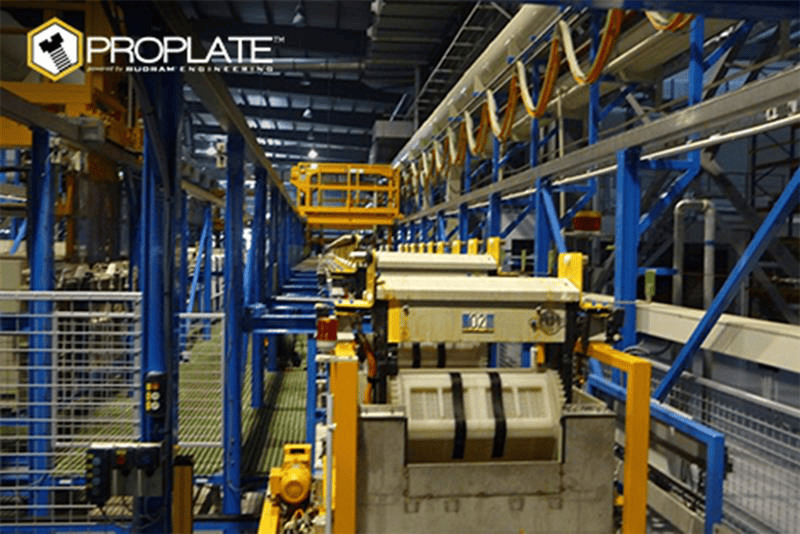
Why Barrel Plating Needs Smarter Chemical Management: The ERP Advantage Barrel plating operations in the metal finishing industry face unique challenges that go far beyond traditional manufacturing concerns. Unlike rack plating processes, barrel plating involves rotating cylindrical containers where parts tumble freely, creating complex chemical dynamics that demand precise monitoring and control. Modern manufacturing ERP software has emerged as a critical solution to address these operational hurdles. Why Barrel Plating Creates Complex Chemical Dynamics The intricacies of barrel plating operations create a perfect storm of chemical management challenges. Parts rotating in enclosed barrels experience different exposure patterns compared to static rack systems, leading to inconsistent chemical consumption rates and unpredictable drag-out volumes. These variations make traditional inventory tracking methods inadequate for maintaining optimal bath chemistry. Key Chemical Management Challenges in Barrel Plating Chemical surface treatment processes in barrel operations require constant attention to detail. The main challenges include: Irregular Chemical Depletion Patterns: Parts with varying geometries deplete chemicals at different rates, making it difficult to maintain consistent bath composition. Difficulty Predicting Drag-Out Rates: Different barrel designs and rotation speeds affect how chemicals cling to parts, complicating inventory planning. Complex Interactions Between Rotating Parts and Chemical Solutions: Tumbling parts create unpredictable chemical reactions and uneven surface treatment, impacting overall quality. Financial and Operational Impact of Poor Chemical Management The financial implications extend beyond material costs. When chemical baths operate outside optimal parameters, reject rates increase dramatically. Operations may need to reprocess parts or face customer complaints. Environmental compliance becomes more difficult when chemical usage patterns are unpredictable. Consequences of Inconsistent Chemical Monitoring Without real-time visibility into bath conditions, operators often resort to reactive maintenance rather than preventive management. This leads to: Emergency chemical additions Rushed bath corrections Increased downtime during critical production periods How Modern ERP Solutions Address Chemical Management Modern surface finishing software addresses these challenges through integrated chemical inventory management systems. These platforms: Track chemical consumption patterns Predict depletion rates based on production schedules Automatically generate reorder alerts Calculate optimal addition quantities based on analytical results and production throughput ERP Features Tailored for Barrel Plating Operations ERP software designed specifically for metal finishing operations provides comprehensive chemical tracking capabilities: Real-Time Monitoring of Chemical Inventory: Operators can monitor chemical levels across multiple bath lines instantly. Automated Calculation of Chemical Additions: Analytical test results are used to determine the precise amount of chemicals needed, reducing waste.Integration with Laboratory Systems: Seamless data flow between ERP and lab systems ensures accurate chemical management. From Reactive to Predictive Chemical Management Specialized ERP software transforms chemical management from reactive to predictive. By analyzing historical consumption patterns and identifying trends, the system provides early warning alerts when bath conditions begin to drift. This proactive approach reduces chemical waste and maintains consistent plating quality. Integrating Quality Control with Chemical Management When chemical management systems connect directly with quality tracking modules, operators gain immediate visibility into the relationship between bath conditions and finished part quality. This integration enables rapid identification of root causes when quality issues arise. Drag-Out Tracking and Chemical Recovery Modules ERP software includes specialized modules for: Drag-Out Tracking: Calculates precise drag-out volumes based on barrel design, rotation speed, and part geometry. Chemical Recovery Systems: Optimizes chemical usage while ensuring environmental compliance. Advanced Reporting for Data-Driven Decisions ERP systems provide management with detailed insights into: Chemical costs Usage trends Efficiency metrics Historical trends help identify seasonal patterns and long-term optimization opportunities, allowing data-driven decisions about suppliers, bath maintenance, and process improvements. Planning and Training for Digital Chemical Management The transition to digital chemical management requires careful planning and staff training. Successful implementations usually start with critical bath monitoring before expanding to full inventory management. Training should emphasize the connection between accurate data entry and improved operational outcomes. Future Developments in ERP for Barrel Plating Emerging ERP technologies promise even greater capabilities for barrel plating operations: AI Modules: Predict optimal chemical addition timing IoT Sensors: Provide continuous monitoring of bath conditions These innovations reduce manual intervention and enhance overall process control. Competitive Advantages of ERP-Driven Chemical Management Proper chemical management through ERP systems delivers benefits beyond cost savings: Consistent plating quality Reduced environmental impact Improved customer satisfaction These advantages directly translate into increased profitability and stronger market competitiveness. Take Action: Optimize Your Barrel Plating Operations Ready to transform your barrel plating chemical management? Schedule a consultation call to discover how PROPLATE™ can optimize your operations and deliver measurable improvements in efficiency, quality, and compliance. Schedule a Demo Download Now! 8 Proven Surface Finishing Techniques Every Professional Should Know PROPLATE™ delivers a range of features designed to help manufacturers optimize their barrel plating operations, reduce downtime, and minimize costly maintenance. Here’s how it works: 1. Predictive Maintenance: Prevent Issues Before They Happen PROPLATE™ uses advanced data analytics to predict when equipment might fail, allowing manufacturers to address potential issues before they cause disruptions. By continuously tracking the performance of barrel plating equipment—including motor speeds, bath chemistry, and barrel rotation—PROPLATE™ identifies patterns that indicate impending wear or failure. With predictive maintenance alerts, operators and maintenance teams can schedule repairs or replace parts proactively, minimizing unplanned downtime and reducing the risk of major breakdowns. This data-driven approach leads to more efficient operations, fewer equipment failures, and a more reliable barrel plating process. 2. Real-Time Monitoring and Control for Maximum Efficiency Real-time monitoring is one of the most powerful features of PROPLATE™. The software provides continuous data on plating conditions, bath parameters, and equipment performance. This enables operators to identify anomalies or inefficiencies immediately. By adjusting variables like plating time, barrel speed, and bath temperature in real-time, operators can keep the process running smoothly and reduce the chances of failure. Monitoring also helps maintain consistent plating quality, ensuring that products meet specifications and minimizing the need for rework or scrap. As a result, manufacturers experience less downtime for quality control checks and improvements. 3. Optimized Maintenance Scheduling: Minimize Unnecessary Intervals PROPLATE™ moves beyond traditional maintenance schedules by optimizing maintenance intervals based on real equipment usage and performance. Rather than following
Top 7 Challenges Facing the U.S. Chemical Processing and How Surface Finishing Software Can Help
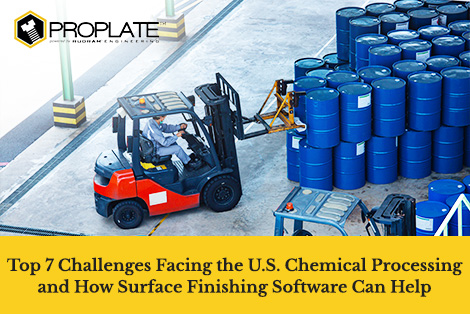
Top 7 Challenges Facing the U.S. Chemical Processing and How Surface Finishing Software Can Help The U.S. Chemical Processing Industry is the backbone of numerous sectors, including automotive, aerospace, electronics, and medical devices. Its role in surface finishing, chemical surface treatment, and advanced surface finishing makes it indispensable for industries that demand precision, durability, and performance. But alongside its critical importance come complex challenges that test the resilience of manufacturers every single day. Rising costs, sustainability demands, labor shortages, and digital risks are reshaping how the industry operates. For companies working in finishing and coating applications, these pressures are even more intense. At PROPLATE™, we’ve seen firsthand how digital solutions like surface finishing software and plating anodizing software can help manufacturers stay ahead. Let’s explore the seven key challenges and how forward-looking companies can tackle them. 1. Fluctuating Energy & Raw Material Costs Chemical Processing is resource-intensive. Energy, specialty chemicals, and treatment inputs form a large part of operational costs. Even small shifts in pricing can disrupt production planning. Without the right systems in place, companies often find themselves reacting instead of planning. That’s where ERP software for manufacturing adds value: Real-time visibility into consumption and spending. Smarter inventory management that prevents waste. Forecasting tools to balance stock levels with demand. The companies that thrive are the ones that can adapt quickly to cost changes without sacrificing quality. 2. Environmental & Safety Regulations Environmental compliance has become a daily responsibility for chemical processors. Strict standards around emissions, wastewater, and hazardous materials are non-negotiable in today’s market. Instead of viewing compliance as a burden, many leaders are reframing it as an opportunity to improve consistency and reliability. Surface finishing software can help: Automating reporting and documentation. Tracking every treatment bath and material usage. Reducing errors in handling and waste management. When businesses embrace compliance technology, they not only avoid penalties but also earn the trust of their customers and partners. 3. Supply Chain Vulnerabilities From global disruptions to supplier reliability, sourcing specialty chemicals has never been more complex. A single delay can halt entire production lines, particularly for advanced surface finishing operations tied to industries like aerospace and medical devices. Digital solutions give manufacturers more control: Monitoring supplier performance in real time. Triggering alerts when stock is running low. Rescheduling production with minimal disruption. Flexibility is the defining factor here. Companies that can adapt schedules and switch suppliers quickly maintain their edge in a competitive market. 4. Workforce Shortages & Skills Gap Like much of manufacturing, chemical processing faces an aging workforce. Many skilled operators are approaching retirement, and fewer young professionals are entering the industry. This creates gaps in knowledge, efficiency, and quality control. The solution lies in technology that empowers teams: Dashboards that simplify complex data. Automated systems that reduce manual steps. User-friendly plating anodizing software that helps new hires onboard faster. Instead of struggling with skills shortages, businesses can invest in digital systems that make teams—no matter their size—more capable and efficient. 5. Growing Sustainability & ESG Expectations Sustainability is no longer optional; it’s a competitive advantage. Customers, partners, and regulators are increasingly evaluating manufacturers on their ability to operate responsibly. This means reducing chemical waste, conserving energy, and showcasing transparency in reporting. With the right ERP solutions, companies can: Track energy and water usage in real time. Identify inefficiencies across production. Generate sustainability reports effortlessly. For those in the surface finishing industry, positioning as an environmentally responsible partner isn’t just about compliance—it’s about long-term growth and customer loyalty. 6. Global Competition & Market Pressures Chemical manufacturing is global, and U.S. companies often face competition from regions with lower costs. In markets where price is a deciding factor, American manufacturers must rely on quality, speed, and service to stand out. Here’s how ERP systems support that: Smarter production scheduling reduces lead times. Consistent quality checks build customer confidence. Integrated customer portals improve visibility and trust. The firms that succeed don’t just compete on cost—they differentiate through excellence in every part of their operations. 7. Digital Transformation & Cybersecurity Risks The industry is in the midst of a digital revolution. Tools like IoT, cloud computing, and AI are transforming chemical manufacturing and chemical surface treatment. But with digital transformation comes risk—especially cybersecurity. ERP systems help strike the right balance: Encryption and role-based security to protect sensitive data. Oversight tools to manage automation safely. Integration that enhances operations without exposing vulnerabilities. Innovation is powerful, but it must be paired with robust protection. Building a Resilient Future The challenges facing the U.S. chemical manufacturing industry are not small. But they also present opportunities for companies to modernize, improve efficiency, and position themselves as leaders. By adopting ERP software for manufacturing, companies in the surface finishing industry can: Reduce costs through smarter resource management. Ensure seamless compliance with environmental and safety standards. Empower their workforce with automation and user-friendly systems. Strengthen customer trust through transparency and reliability. At Proplate, we specialize in helping businesses navigate these complexities. Our chemical processing expertise and tailored digital solutions are designed to give manufacturers the edge they need in today’s competitive landscape. If your business is ready to adapt, grow, and thrive, our team is here to help. Contact us today to explore how PROPLATE™ can transform your operations. Schedule a Demo Download Now! 8 Proven Surface Finishing Techniques Every Professional Should Know PROPLATE™ delivers a range of features designed to help manufacturers optimize their barrel plating operations, reduce downtime, and minimize costly maintenance. Here’s how it works: 1. Predictive Maintenance: Prevent Issues Before They Happen PROPLATE™ uses advanced data analytics to predict when equipment might fail, allowing manufacturers to address potential issues before they cause disruptions. By continuously tracking the performance of barrel plating equipment—including motor speeds, bath chemistry, and barrel rotation—PROPLATE™ identifies patterns that indicate impending wear or failure. With predictive maintenance alerts, operators and maintenance teams can schedule repairs or replace parts proactively, minimizing unplanned downtime and reducing the risk of major breakdowns. This data-driven approach leads to more efficient operations, fewer