How Metal Finishing Technology Enhances Product Durability
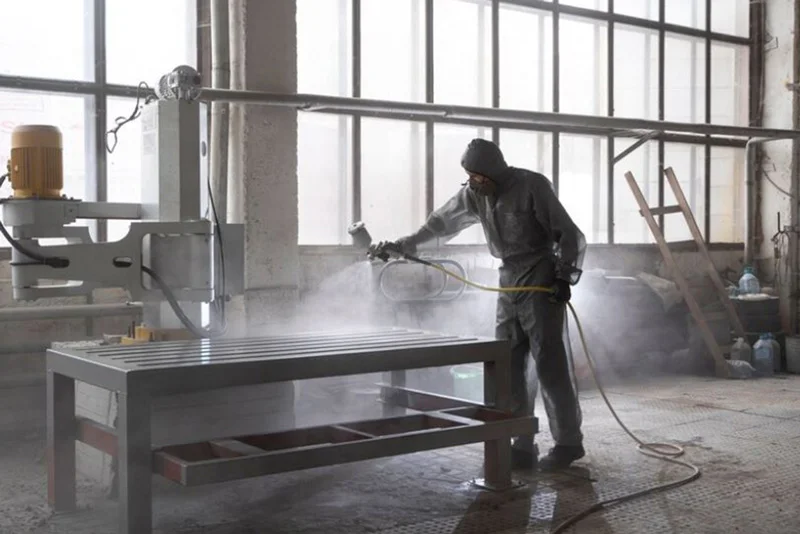
How Metal Finishing Technology Enhances Product Durability Product durability is critical in determining a product’s success or failure in the competitive manufacturing landscape. Metal finishing technology plays a pivotal role in enhancing the durability of metal products, providing them with improved resistance to wear, corrosion, and other environmental factors. This blog post delves into how metal finishing technology increases product longevity and reliability. What is Metal Finishing Technology? Metal finishing technology encompasses a variety of processes used to treat the surface of metal products. These processes enhance the metal’s appearance, performance, and durability. Standard metal finishing techniques include electroplating, anodizing, powder coating, and polishing. Key Metal Finishing Techniques and Their Impact on Durability 1. Electroplating Electroplating involves depositing a thin layer of metal onto the surface of a product through an electrochemical process. This technique enhances durability by: Improving Corrosion Resistance: Electroplated layers, such as nickel or chrome, provide a protective barrier against rust and corrosion. Enhancing Wear Resistance: The additional metal layer can reduce wear and tear, extending the product’s lifespan. Improving Surface Hardness: Certain electroplating materials can significantly increase the surface’s hardness, making it more resistant to scratches and impacts. 2. Anodizing Anodizing is an electrochemical process that converts the metal surface into a durable, corrosion-resistant oxide layer. This technique is particularly effective for aluminum products. Benefits include: Enhanced Corrosion Resistance: The anodized layer protects against environmental factors that cause corrosion. Improved Surface Hardness: Anodizing increases the hardness of the aluminum surface, making it more resistant to damage. Aesthetic and Functional Coatings: Anodizing can provide a range of colors and finishes, enhancing the product’s appearance and functionality. 3. Powder Coating Powder coating involves applying a dry powder to the metal surface, which is then cured under heat to form a durable, protective layer. This technique offers: Superior Durability: Powder-coated surfaces are highly resistant to chipping, scratching, and fading. Enhanced Corrosion Protection: The thick, uniform coating protects against moisture and chemicals. Environmental Benefits: Powder coating is an eco-friendly process that produces minimal waste and does not release volatile organic compounds (VOCs). 4. Polishing and Buffing Polishing and buffing are mechanical processes that improve the surface finish of metal products. These techniques enhance durability by: Reducing Surface Roughness: Smoother surfaces are less prone to corrosion and wear. Improving Aesthetic Appeal: Polished surfaces look better and often have improved functional properties, such as reduced friction. Benefits of Metal Finishing Technology for Product Durability Corrosion Resistance One of the primary benefits of metal finishing is enhanced corrosion resistance. By applying protective layers, metal finishing processes prevent moisture, chemicals, and other corrosive elements from reaching the metal surface, prolonging the product’s life. Wear and Tear Resistance Metal finishing techniques such as electroplating and powder coating significantly improve the wear resistance of metal products. This ensures the products can withstand frequent use and harsh conditions without deteriorating. Surface Hardness Increasing the surface hardness through processes like anodizing and electroplating makes metal products more resistant to scratches, dents, and other forms of physical damage. This is particularly important for tools, machinery, and other products subject to heavy usage. Improved Aesthetic and Functional Properties Metal finishing enhances durability and improves products’ aesthetic appeal. Techniques like anodizing and powder coating offer a variety of colors and finishes that can be tailored to specific requirements. Moreover, smoother surfaces achieved through polishing can reduce friction and improve functionality. Applications of Metal Finishing Technology 1. Automotive Industry In the automotive industry, metal finishing is crucial for components like wheels, engine parts, and body panels. Enhanced durability ensures these parts can withstand harsh driving conditions and exposure to elements. 2. Aerospace Industry Aerospace components require high durability and resistance to extreme conditions. Metal finishing processes like anodizing and electroplating protect against corrosion and wear. 3. Electronics Industry In electronics, metal finishing ensures that components like connectors and circuit boards remain functional over extended periods, even in adverse environmental conditions. 4. Medical Devices Medical devices demand high levels of durability and biocompatibility. Metal finishing techniques help create surfaces resistant to wear, corrosion, and microbial growth. Read More – Streamline Your Operations: How Manufacturing ERP Software Revolutionizes Production About PROPLATE™ PROPLATE™, as your complete surface finishing solution platform, is an engineering marvel crafted to change your operations radically. Altogether, one can admit, due to the numerous features and tools the PROPLATE™ provides its users, that this software is the most efficient and convenient tool to control all stages of surface-making processes. From end-to-end process integration for projects to the easy exchange of information with clients, PROPLATE™ makes businesses capable of fine-tuning their methods to get real-world performance and best-quality outcomes. Whether for a single shop establishment or a huge production company, PROPLATE™ has the features for a successful plate fabrication makeover, ever-improved company services, and a competitive edge in the highly demanding industry of today. Conclusion Metal finishing technology is integral to enhancing the durability of metal products across various industries. By improving corrosion resistance, wear and tear resistance, and surface hardness, these technologies ensure that products last longer and perform better. As industries continue to innovate and demand higher quality standards, metal finishing technology will remain a critical component in achieving sustainability and efficiency in manufacturing. FAQs What is metal finishing technology? It involves various processes used to treat the surface of metal products to enhance their appearance, performance, and durability. How does electroplating improve product durability? Electroplating adds a thin layer of metal to a product’s surface, enhancing its corrosion resistance, wear resistance, and surface hardness. What are the benefits of anodizing? Anodizing improves corrosion resistance, increases surface hardness, and provides aesthetic and functional coatings, especially for aluminum products. Why is powder coating considered eco-friendly? Powder coating produces minimal waste and does not release volatile organic compounds (VOCs), making it an environmentally friendly finishing process. How does metal finishing technology benefit the automotive industry? Metal finishing enhances the durability of automotive components, ensuring they withstand harsh driving conditions and exposure to environmental elements. Schedule a Demo Download
Boosting Productivity with Manufacturing ERP Software: Best Practices
Boosting Productivity with Manufacturing ERP Software: Best Practices In today’s competitive manufacturing landscape, maximizing productivity is crucial for staying ahead. One powerful tool that can help achieve this goal is Manufacturing ERP Software. ERP (Enterprise Resource Planning) software streamlines operations, reduces errors, and enhances overall efficiency by integrating various business processes and providing real-time data insights. This blog post explores best practices for boosting productivity with Manufacturing ERP Software, from initial implementation to ongoing optimization. Understanding Manufacturing ERP Software Manufacturing ERP Software is designed to manage and integrate core business processes in manufacturing, including inventory management, production planning, quality control, and order processing. By centralizing data and automating workflows, ERP systems improve coordination and visibility across departments, leading to better decision-making and increased productivity. Key Benefits of Manufacturing ERP Software Streamlined Operations: Automates routine tasks, reducing manual work and minimizing errors. Real-Time Data Access: Provides instant access to critical business information, enabling informed decision-making. Improved Collaboration: Enhances communication and coordination among departments. Inventory Management: Optimizes inventory levels, reducing waste and ensuring timely availability of materials. Cost Savings: Identifies inefficiencies and areas for cost reduction. 1. Implementing Manufacturing ERP Software: A Strategic Approach The future of Enterprise Resource Planning Systems is marked by exciting trends and innovations that promise to enhance efficiency, productivity, and decision-making. By integrating AI and ML, embracing cloud-based solutions, leveraging IoT data, incorporating advanced analytics, focusing on user experience, and prioritizing cybersecurity, businesses can unlock the full potential of their ERP systems. Staying informed about these trends and adopting the latest innovations will ensure your business remains competitive and agile in an ever-evolving landscape. Successful implementation of Manufacturing ERP Software requires careful planning and execution. Here are some best practices to ensure a smooth rollout: Define Clear Objectives Start by identifying specific goals you want to achieve with ERP implementation. Whether improving inventory accuracy, reducing production lead times, or enhancing order fulfillment, clear objectives will guide your implementation strategy and help measure success. Choose the Right ERP System Select an ERP system that aligns with your business needs and processes. Consider scalability, customization options, integration capabilities, and user-friendliness. Engage stakeholders from various departments to ensure the chosen system meets their requirements. Develop a Detailed Implementation Plan Create a comprehensive plan that outlines the implementation process, including timelines, milestones, resource allocation, and potential risks. This plan should also address data migration, system integration, and user training. Data Migration and Cleanup Ensure that data being migrated to the new ERP system is accurate, complete, and duplicated-free. Data quality is critical for the ERP system to function effectively and provide reliable insights. Pilot Testing Conduct a pilot test to validate the system’s functionality and identify issues before full-scale deployment. Use feedback from the pilot phase to make necessary adjustments and improvements. 2. Training and Empowering Your Team Proper training is essential for maximizing the benefits of Manufacturing ERP Software. A well-trained team can leverage the system’s capabilities to enhance productivity and efficiency. Comprehensive Training Programs Develop training programs tailored to different user roles within your organization. Ensure employees understand how to use the ERP system for tasks and responsibilities. Provide hands-on training sessions, workshops, and user manuals. Ongoing Support and Resources Offer continuous support to address any questions or issues that arise after implementation. Establish a helpdesk or support team to assist. Additionally, create a repository of resources such as FAQs, tutorials, and best practices to help users navigate the system. Encourage User Adoption Highlight its benefits and address any concerns to promote a positive attitude toward the new ERP system. Involve employees in the implementation process and seek their input to foster a sense of ownership and acceptance. 3. Optimizing Manufacturing ERP Software for Maximum Productivity Once the ERP system is in place, continuous optimization is key to maintaining and boosting productivity. Regular System Audits Conduct regular audits to ensure the ERP system is functioning optimally. Identify any bottlenecks, inefficiencies, or areas for improvement. Use audit findings to fine-tune processes and workflows. Leverage Advanced Features Explore advanced features and functionalities of your ERP system that can further enhance productivity. This may include advanced analytics, predictive maintenance, machine learning integration, and IoT connectivity. Integrate with Other Systems Integrate your ERP system with other business systems such as CRM (Customer Relationship Management), MES (Manufacturing Execution System), and SCM (Supply Chain Management). Seamless integration enhances data flow and visibility, leading to better decision-making and coordination. Monitor Key Performance Indicators (KPIs) Define and monitor KPIs to track the performance of your manufacturing operations. Common KPIs include production efficiency, order fulfillment rate, inventory turnover, and downtime. Use ERP-generated reports to analyze these metrics and make data-driven decisions. Continuous Improvement Adopt a culture of continuous improvement by regularly reviewing and updating your ERP system and processes. Encourage feedback from employees and stakeholders to identify new opportunities for enhancement. Stay informed about industry trends and advancements to keep your ERP system current. Read More – Streamline Your Operations: How Manufacturing ERP Software Revolutionizes Production About PROPLATE™ PROPLATE™, as your complete surface finishing solution platform, is an engineering marvel crafted to change your operations radically. Altogether, one can admit, due to the numerous features and tools the PROPLATE™ provides its users, that this software is the most efficient and convenient tool to control all stages of surface-making processes. From end-to-end process integration for projects to the easy exchange of information with clients, PROPLATE™ makes businesses capable of fine-tuning their methods to get real-world performance and best-quality outcomes. Whether for a single shop establishment or a huge production company, PROPLATE™ has the features for a successful plate fabrication makeover, ever-improved company services, and a competitive edge in the highly demanding industry of today. Conclusion Manufacturing ERP Software is a powerful tool for boosting productivity and efficiency in manufacturing operations. By following best practices for implementation, training, and optimization, businesses can maximize the benefits of their ERP systems. Clear objectives, comprehensive training, and continuous optimization are crucial to leveraging ERP software to its full potential. Embrace these strategies
The Future of Enterprise Resource Planning Systems: Trends and Innovations
The Future of Enterprise Resource Planning Systems: Trends and Innovations Enterprise Resource Planning (ERP) Systems have become the backbone of modern businesses, integrating various functions such as finance, HR, manufacturing, and supply chain into a unified system. As technology advances, ERP systems continue to evolve, offering new capabilities and efficiencies. This blog post explores the future of ERP Systems, highlighting key trends and innovations to transform the ERP landscape in 2024 and beyond. The Evolution of Enterprise Resource Planning Systems ERP systems have come long from their origins as simple inventory management solutions. Today, they are comprehensive platforms that provide real-time data and analytics, streamline operations, and enhance decision-making across an organization. As we look to the future, several trends and innovations are poised to revolutionize ERP systems further. 1. Integration of Artificial Intelligence and Machine Learning Artificial Intelligence (AI) and Machine Learning (ML) are integral to modern ERP systems. These technologies enable ERP systems to analyze vast amounts of data, identify patterns, and make intelligent predictions. AI-Powered Analytics AI-powered analytics provide deeper insights into business operations, allowing companies to make data-driven decisions. For example, predictive analytics can forecast demand, optimize inventory levels, and improve supply chain efficiency. Automated Processes AI and ML can automate data entry, invoicing, and report generation tasks. This reduces human error risk and frees employees to focus on more strategic activities. Enhanced Customer Experience AI-driven chatbots and virtual assistants can enhance customer service by providing instant responses to inquiries and resolving issues quickly. This leads to improved customer satisfaction and loyalty. 2. Cloud-Based ERP Systems Cloud computing is transforming the way ERP systems are deployed and accessed. Cloud-based ERP systems offer numerous advantages over traditional on-premises solutions. Scalability and Flexibility Cloud-based ERP systems can scale quickly to accommodate growing business needs. They offer the flexibility to add or remove users, modules, and features as required, ensuring that the system evolves with the business. Cost-Effectiveness Cloud-based ERP systems reduce upfront costs by eliminating the need for expensive hardware and infrastructure. Additionally, the subscription-based pricing model provides predictable monthly expenses. Remote Accessibility With cloud-based ERP systems, employees can access the system from anywhere, anytime, using any device with an internet connection. This is particularly beneficial in today’s remote and hybrid work environments. 3. Internet of Things (IoT) Integration Integrating IoT with ERP systems opens new real-time data collection and analysis possibilities. IoT devices can provide valuable data that enhances ERP systems’ functionality. Real-Time Monitoring IoT sensors can monitor equipment and production processes in real time, providing data on performance, efficiency, and potential issues. This enables proactive maintenance and reduces downtime. Supply Chain Optimization IoT devices can track the movement of goods throughout the supply chain, providing real-time visibility into inventory levels, shipment status, and delivery times. This improves supply chain efficiency and reduces the risk of stockouts or overstocking. Enhanced Product Quality IoT data can help monitor and control production processes, ensuring products meet quality standards. This reduces the risk of defects and enhances customer satisfaction. 4. Advanced Data Analytics and Business Intelligence Modern ERP systems increasingly incorporate advanced data analytics and business intelligence (BI) capabilities. These tools provide actionable insights that drive strategic decision-making. Interactive Dashboards Advanced BI tools offer interactive dashboards that provide real-time visibility into key performance indicators (KPIs) and metrics. This enables managers to quickly identify trends, track progress, and make informed decisions. Predictive Analytics Predictive analytics use historical data and machine learning algorithms to forecast future trends and outcomes. This helps businesses anticipate changes in demand, identify potential risks, and develop proactive strategies. Data Visualization Data visualization tools transform complex data sets into easy-to-understand visual formats like charts, graphs, and heatmaps. This makes it easier for stakeholders to grasp insights and take appropriate actions. 5. Enhanced User Experience and Interface As ERP systems become more sophisticated, there is a growing emphasis on enhancing the user experience (UX) and interface (UI). A user-friendly ERP system can significantly improve employee productivity and satisfaction. Intuitive Design Modern ERP systems feature intuitive designs that simplify navigation and reduce the learning curve. This makes it easier for users to perform tasks efficiently and accurately. Customization and Personalization ERP systems increasingly offer customization and personalization options, allowing users to tailor the interface to their needs and preferences. This enhances the user experience and ensures the system aligns with individual workflows. Mobile Accessibility With the rise of mobile technology, ERP systems are optimized for mobile devices. Mobile accessibility ensures users can access the ERP system on the go, increasing flexibility and responsiveness. 6. Focus on Cybersecurity As ERP systems handle sensitive business data, cybersecurity remains a top priority. Future ERP systems will continue to adopt advanced security measures to protect against cyber threats. Data Encryption Data encryption ensures that sensitive information is protected in transit and at rest. This prevents unauthorized access and ensures data integrity. Multi-Factor Authentication Multi-factor authentication (MFA) adds an extra layer of security by requiring users to provide multiple verification forms before accessing the system. This reduces the risk of unauthorized access. Regular Security Updates ERP vendors are committed to providing regular security updates and patches to address vulnerabilities and protect against emerging threats. Staying up-to-date with these updates is crucial for maintaining system security. Read More – Streamline Your Operations: How Manufacturing ERP Software Revolutionizes Production About PROPLATE™ PROPLATE™ is the ultimate all-in-one surface finishing solution platform meticulously designed to revolutionize your operations and services. With its comprehensive suite of tools and features, PROPLATE™ offers unparalleled efficiency and convenience in managing all aspects of surface finishing processes. From streamlined project management to seamless communication with clients, PROPLATE™ empowers businesses to optimize their workflows, enhance productivity, and deliver exceptional results. Whether a small-scale operation or a large manufacturing facility, PROPLATE™ provides the tools to streamline your operations, elevate your services, and stay ahead in today’s competitive market. Conclusion The future of Enterprise Resource Planning Systems is marked by exciting trends and innovations that promise to enhance efficiency, productivity, and decision-making. By integrating AI and