How to Choose the Right E-Coating System for Your Business

How to Choose the Right E-Coating System for Your Business Selecting the right e-coating system for your business is a critical decision that can impact your product quality, operational efficiency, and overall profitability. With various technologies and features available, making an informed choice requires understanding your specific needs and the capabilities of different e-coating systems. This comprehensive guide will walk you through the essential factors to consider when choosing an e-coating system, helping you make a decision that aligns with your business goals. Understanding E-Coating Definition and Process E-coating, or electrocoating, is a method of applying a protective coating to metal parts using an electrically charged solution. This process involves submerging parts in a bath containing a water-based paint emulsion and applying an electrical charge to attract the paint particles to the metal surface. The result is a uniform, durable, and corrosion-resistant coating. Applications E-coating is widely used in various industries, including automotive, aerospace, appliance manufacturing, and general metal fabrication. It provides an even coating on complex shapes and hard-to-reach areas, making it an ideal choice for parts with intricate designs. Benefits of E-Coating Durability One of the primary advantages of e-coating is its durability. The coating forms a strong bond with the metal surface, providing excellent resistance to chipping, scratching, and other forms of mechanical damage. This ensures long-lasting protection for your products. Corrosion Resistance E-coating offers superior corrosion resistance compared to other coating methods. The uniform application and thorough coverage prevent moisture and contaminants from reaching the metal surface, extending the lifespan of your products. Cost-Effectiveness E-coating is a cost-effective solution due to its high transfer efficiency and minimal waste. The process is highly automated, reducing labor costs and increasing throughput. Additionally, the longevity and durability of e-coated parts can lead to lower maintenance and replacement costs. Types of E-Coating Systems Cathodic vs. Anodic E-Coating There are two main types of e-coating systems: cathodic and anodic. Cathodic e-coating provides better corrosion resistance and is typically used for automotive and heavy-duty applications. Anodic e-coating, while less expensive, offers adequate protection for less demanding environments. Single Coat vs. Multi-Coat Systems Single coat e-coating systems apply one layer of coating, which is sufficient for many applications. Multi-coat systems involve multiple layers of coating, providing enhanced protection and aesthetics for more demanding applications. Assessing Your Business Needs Production Volume Consider the volume of parts you need to coat. High-production businesses may benefit from automated systems with high throughput capabilities, while smaller operations might opt for more manual or semi-automated solutions. Part Size and Material Types The size and material of the parts you are coating are crucial factors. Ensure the e-coating system can accommodate the dimensions and material types of your products without compromising quality. Evaluating System Features Automation and Efficiency Modern e-coating systems offer various levels of automation, from manual to fully automated processes. Assess the level of automation that aligns with your production goals and workforce capabilities. Compatibility with Existing Processes Ensure the e-coating system integrates seamlessly with your existing production line. Compatibility with pre-treatment and curing processes is essential for achieving optimal coating performance. Quality Control Considerations Inspection Methods Implement robust quality control measures to ensure the consistency and quality of the e-coated parts. Visual inspections, thickness measurements, and adhesion tests are common methods used to verify coating integrity. Standards and Certifications Adhering to industry standards and obtaining relevant certifications can enhance your credibility and customer confidence. Look for systems that comply with standards such as ISO, ASTM, and other relevant certifications. Cost Analysis Initial Investment Consider the upfront costs of purchasing and installing an e-coating system. While more advanced systems may have higher initial costs, they can offer long-term savings through increased efficiency and lower operational costs. Operational Costs and ROI Evaluate the ongoing operational costs, including energy consumption, maintenance, and labor. Calculate the return on investment (ROI) by comparing these costs with the expected benefits, such as improved product quality and reduced rework. Environmental Impact Regulatory Compliance Ensure the e-coating system complies with environmental regulations and standards. This includes proper waste management, emissions control, and the use of environmentally friendly materials. Sustainability Consider the environmental impact of the e-coating process. Opt for systems that minimize waste, use water-based coatings, and incorporate energy-efficient technologies. Choosing the Right Supplier Reputation and Reliability Select a supplier with a strong reputation and proven track record in the industry. Reliable suppliers offer high-quality systems, timely support, and comprehensive service options. Support and Service Options Choose a supplier that provides excellent customer support and after-sales service. This includes training, troubleshooting, and maintenance services to ensure your e-coating system operates smoothly. Installation and Setup Planning and Timeline Develop a detailed installation plan that outlines the necessary steps, resources, and timeline for setting up the e-coating system. Consider potential disruptions to your production schedule and plan accordingly. Logistics Coordinate logistics for the delivery and installation of the e-coating system. This includes ensuring adequate space, utilities, and infrastructure to support the new equipment. Training and Support Employee Training Programs Invest in comprehensive training programs for your employees. Proper training ensures that your team can operate and maintain the e-coating system effectively, maximizing its performance and longevity. Ongoing Support Establish a relationship with your supplier for ongoing support. This includes regular maintenance, updates, and access to technical assistance when needed. Maintenance Requirements Routine Maintenance Implement a routine maintenance schedule to keep your e-coating system in optimal condition. Regular inspections, cleaning, and part replacements can prevent costly downtime and extend the system’s lifespan. Troubleshooting Develop troubleshooting procedures to address common issues quickly and efficiently. Ensure your team is equipped to handle minor repairs and adjustments to minimize disruptions. Future-Proofing Your Investment Scalability Choose an e-coating system that can scale with your business. As your production needs grow, ensure the system can accommodate increased volumes without compromising performance. Technology Updates Stay informed about advancements in e-coating technology. Regularly updating your system with the latest features and capabilities can enhance efficiency and maintain your competitive edge. Case Studies Success
The Economic Benefits of Heat Treatment: Cost Savings and Efficiency
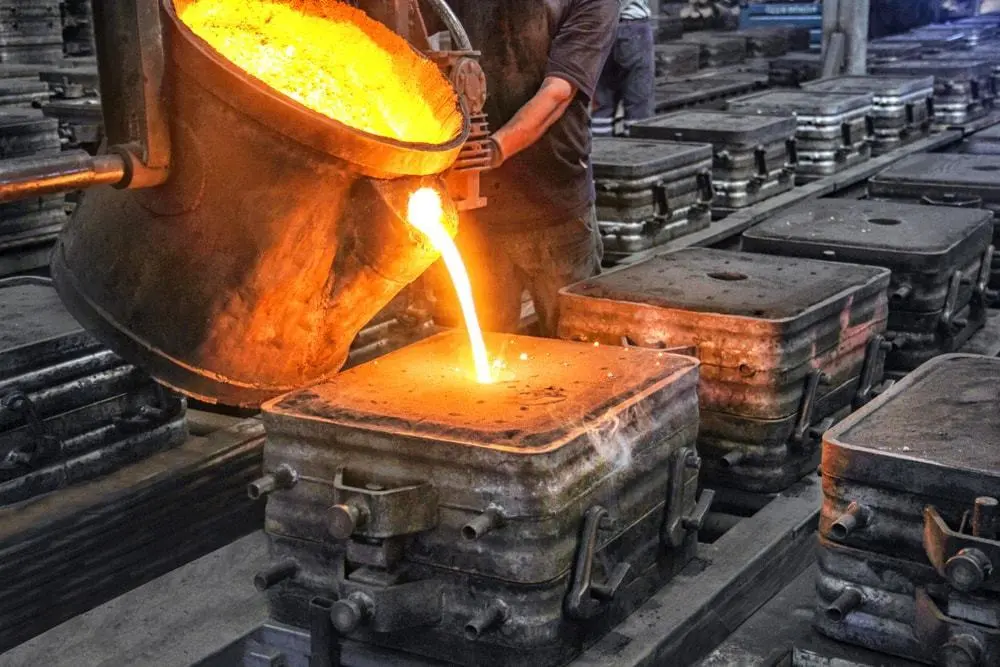
The Economic Benefits of Heat Treatment: Cost Savings and Efficiency Heat treatment is a critical process in manufacturing and materials engineering that significantly enhances the properties of metals and alloys. By altering the microstructure through controlled heating and cooling, heat treatment improves hardness, strength, ductility, and wear resistance. These improvements translate into substantial economic benefits for businesses, including cost savings, increased efficiency, and enhanced product performance. This comprehensive guide delves into the economic advantages of heat treatment, illustrating how it can drive profitability and competitiveness in various industries. Understanding Heat Treatment Definition and Process Heat treatment involves heating and cooling metals and alloys under controlled conditions to alter their physical and mechanical properties. This process can improve hardness, strength, ductility, and wear resistance, making materials more suitable for specific applications. Types of Heat Treatment Various heat treatment techniques are used to achieve desired properties in metals, including annealing, quenching, tempering, and case hardening. Each method involves different temperatures, cooling rates, and atmospheres to tailor the microstructure and properties of the material. Economic Benefits of Heat Treatment Overview of Cost Savings and Efficiency Heat treatment offers numerous economic benefits by enhancing the performance and lifespan of materials, reducing manufacturing costs, and increasing operational efficiency. These advantages translate into significant cost savings and improved profitability for businesses across various industries. Cost Savings from Heat Treatment Reduced Material Waste Heat treatment processes, such as annealing and normalizing, improve the machinability of metals, reducing material waste during manufacturing. Enhanced machinability leads to more precise and efficient cutting, drilling, and shaping operations, minimizing scrap and rework costs. Extended Tool Life Treating cutting tools, dies, and molds through processes like nitriding or carburizing enhances their hardness and wear resistance. This results in longer tool life, reducing the frequency of replacements and lowering overall tooling costs. Efficiency Improvements Enhanced Manufacturing Processes Heat treatment can streamline manufacturing processes by improving the mechanical properties of materials, making them easier to work with. For instance, stress relieving and annealing can reduce internal stresses and improve dimensional stability, leading to more consistent and efficient production. Reduced Downtime By increasing the durability and wear resistance of components, heat treatment reduces the likelihood of equipment failure and downtime. This ensures continuous and efficient operation, minimizing costly production interruptions. Improved Material Performance Increased Strength and Hardness Processes like quenching and tempering significantly enhance the strength and hardness of metals, making them more resistant to mechanical stress and deformation. This results in more robust and reliable products that meet stringent performance requirements. Enhanced Wear Resistance Heat treatment techniques, such as induction hardening and carburizing, improve the wear resistance of surfaces, extending the service life of components exposed to abrasive conditions. This is particularly beneficial in industries like automotive and aerospace, where durability is critical. Heat Treatment Techniques Common Methods Annealing: Softens metals, improves ductility and machinability. Quenching: Rapid cooling to increase hardness and strength. Tempering: Reduces brittleness after quenching, balancing hardness and toughness. Case Hardening: Surface hardening techniques like carburizing and nitriding enhance wear resistance. Applications in Various Industries Automotive Heat treatment is essential in the automotive industry for producing durable engine components, transmission parts, and chassis elements. Enhanced material properties lead to improved vehicle performance and longevity. Aerospace In aerospace, heat treatment ensures that materials can withstand extreme temperatures and mechanical stress. This is crucial for components like turbine blades, landing gear, and structural parts. Construction The construction industry relies on heat-treated steel for building infrastructure, bridges, and machinery. Improved strength and toughness contribute to the safety and durability of structures. Case Studies Real-World Examples of Economic Benefits Explore case studies from companies that have successfully implemented heat treatment to enhance product quality, reduce costs, and improve efficiency. These examples provide valuable insights into the tangible economic benefits of heat treatment. Return on Investment (ROI) Calculating the Financial Impact of Heat Treatment To determine the ROI of heat treatment, consider factors such as initial investment, operational costs, and the economic benefits derived from improved material performance and reduced manufacturing expenses. A thorough cost-benefit analysis can demonstrate the long-term financial gains. Environmental Impact Sustainable Practices and Energy Efficiency Modern heat treatment technologies focus on sustainability and energy efficiency. Utilizing eco-friendly practices, such as waste heat recovery and low-emission furnaces, can reduce the environmental footprint of heat treatment processes. Quality Control and Standards Ensuring Consistent and Reliable Results Implementing rigorous quality control measures ensures that heat-treated materials meet industry standards and specifications. Regular testing and certification, such as ISO and ASTM standards, guarantee consistent and reliable results. Choosing the Right Heat Treatment Process Factors to Consider When selecting a heat treatment process, consider the type of material, desired properties, and application requirements. Consulting with experts and conducting trials can help determine the most suitable method for your specific needs. Technological Advancements Innovations in Heat Treatment Technology Advancements in heat treatment technology, such as computer-controlled furnaces and advanced quenching techniques, offer improved precision and efficiency. Staying updated with the latest innovations can enhance your heat treatment processes and outcomes. Supplier Selection Choosing a Reliable Heat Treatment Service Provider Select a heat treatment supplier with a proven track record, industry certifications, and comprehensive support services. A reliable supplier can ensure high-quality results, timely delivery, and expert assistance. Training and Expertise Importance of Skilled Personnel and Training Programs Investing in skilled personnel and comprehensive training programs is crucial for optimizing heat treatment processes. Proper training ensures that employees can operate equipment effectively, maintain high-quality standards, and troubleshoot issues efficiently. Maintenance and Troubleshooting Ensuring Optimal Performance of Heat Treatment Equipment Regular maintenance and timely troubleshooting are essential for maintaining the performance and longevity of heat treatment equipment. Implementing a preventive maintenance schedule can minimize downtime and extend the life of your machinery. Future Trends in Heat Treatment Emerging Technologies and Industry Developments Stay informed about emerging trends and developments in heat treatment, such as additive manufacturing integration and advanced materials engineering. Adopting new technologies can enhance your competitive edge and drive future growth. FAQ What are the main types
Attract, Train, and Retain : The Tech Approach to Surface Finishing Talent

Attract, Train, and Retain: The Tech Approach to Surface Finishing Talent Managing a workforce in the surface finishing industry can be challenging. Finding, training, and onboarding skilled workers requires a strategic approach. Fortunately, technology offers solutions to make this process more efficient and effective. This blog explores how leveraging technology can help attract, train, and retain top talent in the surface finishing industry. The Challenge of Workforce Management in Surface Finishing Specialized Skill Set The metal finishing industry requires a unique blend of technical knowledge and hands-on expertise. Finding individuals skilled in plating, masking, and coating tasks can be daunting. These specialized skills are not commonly seen, making the hiring process difficult and competitive. High Turnover Rates The demanding nature of the job and the industry’s competitive landscape often lead to high turnover rates. This constant churn disrupts workflow, drains resources, and forces managers to repeatedly invest in training recruits. Time-Consuming Training Training new employees in metal finishing techniques is a significant time investment. Individuals can become proficient in the required tasks for hundreds of hours. This investment becomes even more burdensome when faced with high turnover rates. The Cost of Employee Turnover Operational Disruption When skilled workers leave, managers and supervisors are often pulled away from their daily tasks to train new employees. This disruption can lead to bottlenecks in production, delays in project timelines, and increased stress levels among existing staff. Loss of Productivity With each new hire comes a period of adjustment and learning. During this time, productivity may dip as employees familiarize themselves with the intricacies of the job. In industries where time is money, even minor disruptions can significantly impact the bottom line. Loss of Tribal Knowledge A large amount of operational information is stored in the minds of experienced employees. Losing skilled workers can be particularly painful without a strategic system to capture and transfer this knowledge. How Technology is Changing the Game Revolutionary User Interface Proplate offers job shop software with an intuitive, icon-based dashboard that simplifies navigation. This revolutionary user interface breaks down language barriers and ensures accessibility for users worldwide, making it easier for new employees to get up to speed quickly. Visual Guidance and Clear Instructions Proplate’s software allows for capturing photos and videos of each step in the finishing or coating process. This visual guidance enhances understanding and streamlines training, reducing the time needed for new employees to become proficient. Centralized Data Collection Proplate’s centralized platform simplifies production management by consolidating time tracking, scheduling, and production data into a single system. This reduces the need for extensive training on multiple systems and allows for more efficient operations. The ProPlate Advantage Better Data ProPlate technology provides real-time insights into production metrics, enabling informed decision-making and improved efficiency. Access to better data helps identify areas for improvement and optimize workflow. Increased Productivity By streamlining workflows and reducing downtime, intuitive software like ProPlate empowers workers and minimizes operational disruptions. This leads to higher productivity and more consistent output. Higher Quality Visual guidance and centralized data collection ensure consistency and quality in every finish. With clear instructions and streamlined processes, workers can achieve better results and maintain high standards. Reduced Rework Improved communication, clear order instructions, and overall quality management reduce the need for rework. With fewer errors and more efficient processes, meeting production goals becomes more accessible. Less Time Managing Production With Proplate’s software, administrative tasks are simplified, allowing managers to focus on strategic initiatives rather than day-to-day production management. This leads to a more efficient operation overall. Read More –Boosting Efficiency: The Impact of Metal Finishing Software on Production About PROPLATE™ PROPLATE™, as your complete surface finishing solution platform, is an engineering marvel crafted to change your operations radically. Altogether, one can admit, due to the numerous features and tools the PROPLATE™ provides its users, that this software is the most efficient and convenient tool to control all stages of surface-making processes. From end-to-end process integration for projects to the easy exchange of information with clients, PROPLATE™ makes businesses capable of fine-tuning their methods to get real-world performance and best-quality outcomes. Whether for a single shop establishment or a huge production company, PROPLATE™ has the features for a successful plate fabrication makeover, ever-improved company services, and a competitive edge in the highly demanding industry of today. Conclusion Leveraging technology is crucial for attracting, training, and retaining top talent in the surface finishing industry. Solutions like Proplate’s job shop software provide innovative tools that streamline operations, enhance training, and improve workforce management. By adopting these technological advancements, businesses can overcome workforce management challenges and maximize their potential in the competitive surface finishing market. Schedule a Demo Download Now! 8 Proven Surface Finishing Techniques Every Professional Should Know
Top Signs Your Job Shop Needs Digital Transformation

Top Signs Your Job Shop Needs Digital Transformation In today’s fast-paced manufacturing environment, job shops must continually evolve to stay competitive. Digital transformation is key to improving efficiency, reducing costs, and increasing productivity. But how do you know when it’s time to modernize your operations? Here are the top signs that indicate your job shop needs digital transformation. 1. Inefficient Manual Processes Time-Consuming Tasks If your job shop relies heavily on manual processes, it can lead to inefficiencies and increased labor costs. Tasks such as scheduling, inventory management, and order processing can be time-consuming and prone to errors when done manually. Digital solutions streamline these processes, saving time and reducing errors. Data Entry Errors Manual data entry is tedious and prone to mistakes, which can lead to costly rework and production delays. Automating data entry through digital tools ensures accuracy and improves overall efficiency. 2. Lack of Real-Time Visibility Delayed Decision-Making In a manual setup, accessing real-time data can be challenging. Decision-making can be delayed without timely information, impacting production schedules and customer satisfaction. Digital transformation provides real-time visibility into all aspects of operations, enabling quicker and more informed decisions. Limited Tracking and Monitoring Manual systems make it difficult to track and monitor production in real time. Digital tools offer comprehensive tracking capabilities, allowing managers to monitor production status, identify bottlenecks, and optimize workflows. 3. High Operational Costs Excessive Waste Inefficiencies in manual processes can lead to excessive waste of materials and resources. Digital transformation helps identify and eliminate waste, reduce operational costs, and improve profitability. Energy Consumption Outdated equipment and processes often consume more energy, increasing operational expenses. Implementing digital solutions can optimize energy usage, resulting in significant cost savings. 4. Poor Inventory Management Stockouts and Overstocks Manual inventory management can lead to inaccurate stock levels, resulting in stockouts or overstocks. Both scenarios can disrupt production and affect customer satisfaction. Digital inventory management systems provide accurate, real-time data, ensuring optimal stock levels and efficient inventory control. Inefficient Supply Chain A lack of digital integration with suppliers can result in delays and miscommunications. Digital transformation enhances supply chain management by enabling seamless communication and collaboration with suppliers, improving 5. Customer Dissatisfaction Inconsistent Quality Inconsistent product quality can lead to customer complaints and loss of business. Digital tools enable better quality control and consistency, ensuring products always meet customer expectations. Delayed Deliveries Manual scheduling and tracking can result in delayed deliveries, which can impact customer satisfaction. Digital solutions streamline scheduling and logistics, ensuring timely deliveries and improved customer service. Benefits of Digital Transformation Increased Productivity Digital transformation significantly boosts productivity by automating repetitive tasks and streamlining workflows. Employees can focus on more strategic tasks, enhancing overall efficiency. Enhanced Competitiveness Digital tools provide a competitive edge by enabling job shops to respond quickly to market changes, optimize operations, and deliver high-quality products on time. Staying ahead of competitors requires continuous innovation and modernization. Improved Data Management Digital transformation centralizes data, making it easily accessible and analyzable. Improved data management supports better decision-making and strategic Read More –Top Benefits of Implementing an Enterprise Resource Planning System About PROPLATE™ PROPLATE™, as your complete surface finishing solution platform, is an engineering marvel crafted to change your operations radically. Altogether, one can admit, due to the numerous features and tools the PROPLATE™ provides its users, that this software is the most efficient and convenient tool to control all stages of surface-making processes. From end-to-end process integration for projects to the easy exchange of information with clients, PROPLATE™ makes businesses capable of fine-tuning their methods to get real-world performance and best-quality outcomes. Whether for a single shop establishment or a huge production company, PROPLATE™ has the features for a successful plate fabrication makeover, ever-improved company services, and a competitive edge in the highly demanding industry of today. Conclusion Recognizing these signs is the first step towards digital transformation. By embracing digital tools and solutions, job shops can enhance efficiency, reduce costs, improve customer satisfaction, and stay competitive in an increasingly digital world. If your job shop exhibits any of these signs, it’s time to consider investing in digital transformation to unlock your full potential. Schedule a Demo Download Now! 8 Proven Surface Finishing Techniques Every Professional Should Know
ERP for Manufacturing: Boosting Productivity and Reducing Costs

ERP for Manufacturing: Boosting Productivity and Reducing Costs In today’s competitive manufacturing landscape, efficiency and cost management are critical to success. Enterprise Resource Planning (ERP) systems are pivotal in achieving these goals by integrating various business processes into a unified system. This blog post explores how ERP systems can boost productivity and reduce costs in the manufacturing industry. 1. Streamlined Operations Integration of Business Processes ERP systems integrate all business processes, from procurement and inventory management to production and sales. This integration ensures that all departments work from the same data, reducing errors and improving coordination. With real-time data flow, manufacturers can streamline operations, increasing efficiency and productivity. Automated Workflows Automation is a key feature of ERP systems. Automating routine tasks such as order processing, inventory tracking, and quality control reduces manual labor and minimizes the risk of errors. This allows employees to focus on more strategic tasks, further enhancing productivity. 2. Improved Inventory Management Real-Time Inventory Tracking ERP systems provide real-time visibility into inventory levels, ensuring manufacturers have the right materials at the right time. This reduces the risk of stockouts and overstocking, leading to more efficient inventory management. Demand Forecasting With advanced analytics, ERP systems can predict future demand based on historical data and market trends. Accurate demand forecasting helps manufacturers plan their production schedules more effectively, reducing waste and optimizing resource utilization. Read More – How Surface Finishing Software Supports Sustainability in Manufacturing 3. Enhanced Production Planning and Scheduling Optimized Production Schedules ERP systems enable manufacturers to create optimized production schedules for resource availability, order priorities, and production capacities. This ensures that production runs smoothly, reducing downtime and increasing throughput. Capacity Planning ERP systems can help manufacturers plan their capacity more effectively by analyzing production data. This involves identifying bottlenecks, optimizing machine usage, ensuring that production resources are used efficiently, and reducing production costs. 4. Quality Control and Compliance Automated Quality Checks ERP systems can automate quality checks at various stages of the production process. This ensures that products meet quality standards, reducing the likelihood of defects and rework. Automated quality control improves product quality and reduces costs associated with non-compliance and returns. Regulatory Compliance Manufacturers must comply with various industry regulations and standards. ERP systems help ensure compliance by maintaining accurate records, generating necessary documentation, and providing audit trails. This reduces the risk of non-compliance penalties and improves overall operational efficiency. 5. Financial Management Cost Tracking and Analysis ERP systems provide detailed insights into production costs, including labor, materials, and overheads. By tracking these costs in real time, manufacturers can identify areas of inefficiency and take corrective actions to reduce expenses. Budgeting and Forecasting ERP systems support budgeting and forecasting processes with integrated financial management tools. Accurate financial forecasts enable manufacturers to allocate resources more effectively, control costs, and improve profitability. 6. Improved Decision-Making Data-Driven Insights ERP systems provide comprehensive data analytics and reporting tools that help manufacturers gain valuable business insights. By analyzing key performance indicators (KPIs), manufacturers can make informed decisions that drive productivity and reduce costs. Enhanced Visibility Real-time visibility into all aspects of the manufacturing process allows managers to identify issues quickly and take proactive measures. This enhanced visibility ensures that potential problems are addressed before they escalate, leading to smoother operations and cost savings. 7. Better Customer Service Accurate Order Fulfillment With ERP systems, manufacturers can ensure accurate and timely order fulfillment. Real-time tracking of orders, inventory, and production schedules helps meet customer expectations and improve satisfaction. Streamlined Communication ERP systems facilitate better communication between departments, suppliers, and customers. Improved communication leads to faster issue resolution, timely updates, and better overall customer service. About PROPLATE™ PROPLATE™, as your complete surface finishing solution platform, is an engineering marvel crafted to change your operations radically. Altogether, one can admit, due to the numerous features and tools the PROPLATE™ provides its users, that this software is the most efficient and convenient tool to control all stages of surface-making processes. From end-to-end process integration for projects to the easy exchange of information with clients, PROPLATE™ makes businesses capable of fine-tuning their methods to get real-world performance and best-quality outcomes. Whether for a single shop establishment or a huge production company, PROPLATE™ has the features for a successful plate fabrication makeover, ever-improved company services, and a competitive edge in the highly demanding industry of today. Conclusion Implementing an ERP system in the manufacturing industry offers numerous benefits, including streamlined operations, improved inventory management, optimized production planning, enhanced quality control, effective financial management, data-driven decision-making, and better customer service. By leveraging these advantages, manufacturers can boost productivity, reduce costs, and stay competitive. Investing in an ERP system is not just a technological upgrade; it’s a strategic move toward achieving operational excellence and long-term success. Schedule a Demo Download Now! 8 Proven Surface Finishing Techniques Every Professional Should Know
How Anodizing Software Enhances Efficiency and Quality

How Anodizing Software Enhances Efficiency and Quality Anodizing, a crucial process in the metal finishing industry, involves electrolytic passivation to increase the thickness of the natural oxide layer on the surface of metal parts. Anodizing shops increasingly rely on advanced software solutions to meet the demands of precision and high-quality finishes. This blog post explores how anodizing software enhances efficiency and quality, ensuring superior outcomes for metal finishing operations. 1. Streamlined Workflow Management Automated Scheduling and Planning Anodizing software automates task scheduling and planning, optimizing resource use and reducing downtime. By integrating all stages of the anodizing process, the software ensures that each step is executed efficiently. Automated scheduling helps anticipate bottlenecks and allocate resources effectively, providing a seamless workflow. Real-Time Monitoring Real-time monitoring capabilities allow managers to track the progress of each job throughout the anodizing process. This visibility ensures that deviations from the planned schedule are quickly identified and addressed, minimizing delays and improving overall efficiency. 2. Enhanced Quality Control Standardized Procedures Anodizing software enables the standardization of procedures, ensuring consistency and repeatability in the anodizing process. By maintaining precise control over process parameters such as temperature, voltage, and time, the software helps achieve uniform results and high-quality finishes. Real-Time Quality Monitoring Advanced software monitors critical quality parameters, allowing immediate adjustments if anomalies are detected. This proactive approach to quality control ensures that issues are addressed before they impact the final product, reducing the likelihood of defects and rework. Read More – How Surface Finishing Software Supports Sustainability in Manufacturing 3. Improved Data Management Centralized Data Storage Anodizing software centralizes all process data, making it easily accessible for analysis and reporting. This centralized data storage ensures that historical data is readily available, facilitating trend analysis and continuous improvement efforts. Comprehensive Reporting The software generates detailed reports on the anodizing process, including process parameters, quality metrics, and production efficiency. These reports provide valuable insights that can be used to optimize processes, enhance quality, and reduce costs. 4. Better Inventory Management Real-Time Inventory Tracking Efficient inventory management is crucial for maintaining productivity in an anodizing shop. Anodizing software tracks raw materials, chemicals, and finished products, optimizing inventory levels. Automated alerts for low stock levels help prevent production interruptions due to material shortages. Material Usage Optimization The software tracks material usage and waste, providing insights into how materials are utilized. This information helps identify areas where material usage can be optimized, reducing waste and lowering costs. 5. Increased Productivity Reduced Manual Intervention Automation of routine tasks reduces the need for manual intervention, freeing up staff to focus on more strategic activities. By minimizing manual handling, the software reduces the risk of human error and increases overall productivity. Faster Turnaround Times Anodizing software streamlines the entire process, from job scheduling to quality control, resulting in faster turnaround times. This increased efficiency allows anodizing shops to handle more jobs in less time, boosting capacity and profitability. 6. Enhanced Compliance and Documentation Automated Documentation Compliance with industry standards and regulations is essential for anodizing shops. Anodizing software automates the documentation process, ensuring that all necessary records are maintained accurately. This includes process logs, quality control records, and compliance documentation. Simplified Audits During audits, having all documentation readily available and organized simplifies the process. The software ensures that all records are up-to-date and easily accessible, reducing the time and effort required for compliance checks. 7. Improved Customer Satisfaction Consistent Quality Anodizing software helps deliver products that meet customer expectations by ensuring consistent quality through standardized processes and real-time quality control. High-quality finishes lead to increased customer satisfaction and repeat business. Timely Delivery Efficient workflow management and faster turnaround times ensure that jobs are completed on schedule. Meeting delivery deadlines consistently enhances customer trust and satisfaction. About PROPLATE™ PROPLATE™, as your complete surface finishing solution platform, is an engineering marvel crafted to change your operations radically. Altogether, one can admit, due to the numerous features and tools the PROPLATE™ provides its users, that this software is the most efficient and convenient tool to control all stages of surface-making processes. From end-to-end process integration for projects to the easy exchange of information with clients, PROPLATE™ makes businesses capable of fine-tuning their methods to get real-world performance and best-quality outcomes. Whether for a single shop establishment or a huge production company, PROPLATE™ has the features for a successful plate fabrication makeover, ever-improved company services, and a competitive edge in the highly demanding industry of today. Conclusion Anodizing software is a powerful tool that enhances efficiency and quality in metal finishing operations. By streamlining workflows, improving quality control, managing data and inventory, and ensuring compliance, advanced software solutions enable anodizing shops to achieve superior outcomes. Investing in anodizing software is a strategic move that can significantly boost productivity, reduce costs, and enhance customer satisfaction, ultimately leading to a more prosperous and competitive business. Schedule a Demo Download Now! 8 Proven Surface Finishing Techniques Every Professional Should Know
Top Benefits of Implementing an Enterprise Resource Planning System

Top Benefits of Implementing an Enterprise Resource Planning System In today’s fast-paced and competitive business environment, efficiency, productivity, and data-driven decision-making are crucial for success. One of the most effective ways to achieve these goals is by implementing an Enterprise Resource Planning (ERP) system. An ERP system integrates various business processes into a unified platform, enabling organizations to streamline operations, improve collaboration, and enhance overall performance. This blog post explores the top benefits of implementing an ERP system and how it can transform your business. 1. Improved Efficiency and Productivity Streamlined Processes ERP systems automate and streamline various business processes, reducing the need for manual intervention and minimizing errors. ERP eliminates redundancies and ensures that information flows seamlessly across departments by integrating functions such as finance, human resources, supply chain, and customer relationship management into a single system. This leads to significant time savings and allows employees to focus on more value-added activities. Standardized Procedures Organizations can standardize procedures across different departments and locations with an ERP system. This standardization ensures that best practices are followed consistently, improving efficiency and productivity. Employees can quickly adapt to changes and new processes, reducing training time and increasing overall operational efficiency. 2. Enhanced Data Accuracy and Reporting Centralized Data Repository An ERP system acts as a centralized repository for all business data, ensuring that information is accurate, up-to-date, and easily accessible. This eliminates the need for multiple data sources and reduces the risk of data duplication and inconsistencies. Organizations can make informed decisions based on reliable data by having a single source of truth. Advanced Reporting and Analytics ERP systems come with advanced reporting and analytics capabilities that provide real-time insights into various business aspects. These tools allow organizations to generate detailed reports, analyze trends, and identify areas for improvement. With accurate and timely information, decision-makers can respond quickly to changing market conditions and make strategic choices that drive business growth. Read More – How Surface Finishing Software Supports Sustainability in Manufacturing 3. Improved Collaboration and Communication Integrated Communication Tools ERP systems often include integrated communication tools that facilitate employee collaboration and information sharing. Features like instant messaging, email integration, and project management tools enable teams to work together more effectively, regardless of location. This improved communication leads to better coordination, faster decision-making, and enhanced overall productivity. Cross-Departmental Collaboration By providing a unified platform for all business functions, ERP systems break down silos and promote cross-departmental collaboration. Employees from different departments can access the same information, share insights, and work together towards common goals. This collaborative environment fosters innovation, improves problem-solving, and enhances the organization’s ability to achieve its objectives. 4. Enhanced Customer Service 360-Degree Customer View ERP systems integrate customer data from various touchpoints, providing a comprehensive view of each customer’s interactions with the organization. This 360-degree view enables businesses better to understand customer needs, preferences, and behaviors, allowing them to tailor their products and services accordingly. As a result, organizations can deliver personalized experiences, improve customer satisfaction, and build long-term loyalty. Improved Order Management Organizations can streamline their order management processes with an ERP system, from order entry to fulfillment and delivery. Real-time visibility into inventory levels, production schedules, and shipping status ensures customer orders are processed efficiently and accurately. This leads to faster order fulfillment, reduced lead times, and improved customer satisfaction. 5. Cost Savings and ROI Reduced Operational Costs ERP systems help organizations reduce operational costs by streamlining processes, improving resource utilization, and minimizing waste. Automating routine tasks and eliminating redundancies leads to significant cost savings in labor, inventory management, and production. Additionally, ERP systems provide insights into cost drivers and help identify opportunities for further cost reductions. Increased ROI While the initial investment in an ERP system can be substantial, the long-term benefits outweigh the costs. Improved efficiency, productivity, and decision-making capabilities lead to increased profitability and a higher return on investment (ROI). Organizations implementing ERP systems often experience substantial financial gains, making it a worthwhile investment for sustainable growth. 6. Scalability and Flexibility Adaptability to Business Growth ERP systems are designed to scale with business growth. They can easily accommodate changes as organizations expand their operations, enter new markets, or introduce new products. This scalability ensures that the system continues to support the business’s needs without requiring significant modifications or replacements. Customization and Integration Modern ERP systems offer a high degree of customization, allowing organizations to tailor the system to their specific requirements. Additionally, ERP systems can integrate with other software and technologies, providing a flexible and adaptable solution that evolves with the business. This flexibility ensures the ERP system remains relevant and valuable, even as business needs change. About PROPLATE™ PROPLATE™, as your complete surface finishing solution platform, is an engineering marvel crafted to change your operations radically. Altogether, one can admit, due to the numerous features and tools the PROPLATE™ provides its users, that this software is the most efficient and convenient tool to control all stages of surface-making processes. From end-to-end process integration for projects to the easy exchange of information with clients, PROPLATE™ makes businesses capable of fine-tuning their methods to get real-world performance and best-quality outcomes. Whether for a single shop establishment or a huge production company, PROPLATE™ has the features for a successful plate fabrication makeover, ever-improved company services, and a competitive edge in the highly demanding industry of today. Conclusion Implementing an Enterprise Resource Planning system offers numerous benefits that can transform an organization’s operations, enhance efficiency, and drive business growth. From improved data accuracy and reporting to enhanced collaboration and customer service, ERP systems provide a comprehensive solution for managing various business functions. As technology evolves, ERP systems will play an increasingly critical role in helping organizations stay competitive and achieve long-term success. Investing in an ERP system is not just about adopting new technology but a new way of doing business. By leveraging ERP’s power, organizations can streamline processes, make data-driven decisions, and position themselves for sustainable growth in the digital age. Schedule a Demo Download Now!
Boosting Efficiency: The Impact of Metal Finishing Software on Production
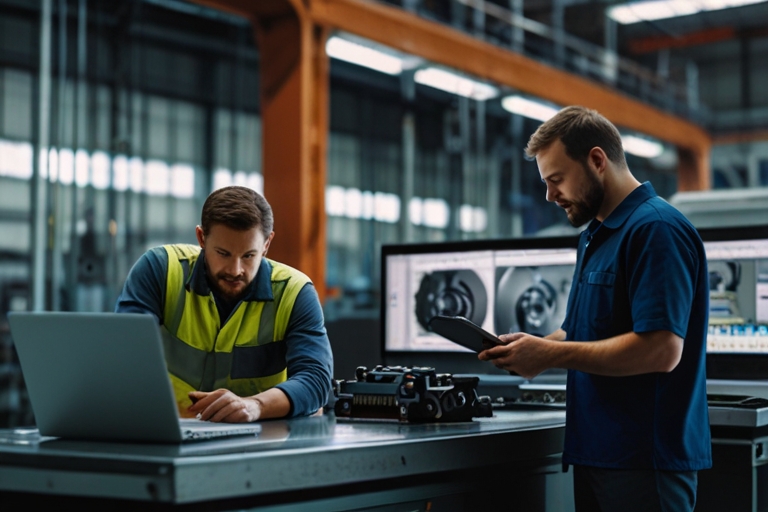
Boosting Efficiency: The Impact of Metal Finishing Software on Production In the ever-evolving landscape of manufacturing, efficiency, and precision are paramount. Metal finishing, a critical process in the production cycle, often determines the quality and durability of the final product. As technology advances, metal finishing software has emerged as a transformative tool, significantly enhancing production efficiency. This blog post explores the impact of metal finishing software on production, highlighting its benefits, features, and the future of metal finishing technology. Understanding Metal Finishing Software Metal finishing software is designed to automate and optimize the processes involved in treating the surface of metal products. These processes include electroplating, anodizing, polishing, coating, and more. The software integrates various aspects of the finishing process, from planning and execution to monitoring and quality control. By leveraging advanced algorithms and data analytics, metal finishing software ensures consistent quality and reduces the margin for error. Key Benefits of Metal Finishing Software 1. Enhanced Process Control One of the primary benefits of metal finishing software is the enhanced control it provides over the finishing processes. The software allows for precise adjustments to be made in real-time, ensuring that all parameters are within the specified range. This level of control reduces the likelihood of defects and rework, leading to higher-quality finishes. 2. Increased Production Efficiency Metal finishing software automates many manual tasks traditionally associated with the finishing process. Automation reduces the time required for each step, increases throughput, and minimizes human error. As a result, production efficiency is significantly boosted, allowing manufacturers to meet tight deadlines and increase their output without compromising quality. 3. Improved Quality Assurance Quality control is a critical aspect of metal finishing. The software provides comprehensive monitoring and reporting tools that help maintain high standards. Manufacturers can quickly identify and address deviations from the desired specifications by tracking various parameters and generating detailed reports. This proactive approach to quality assurance ensures consistent product quality and customer satisfaction. 4. Cost Savings Implementing metal finishing software can lead to substantial cost savings. Manufacturers can lower their production costs by optimizing the use of materials, reducing waste, and minimizing the need for rework. The increased efficiency and throughput also result in better resource utilization and lower labor costs. 5. Environmental Benefits Metal finishing processes often involve the use of hazardous chemicals. The software helps manage these chemicals more efficiently, reducing waste and environmental impact. Automated systems can precisely measure and control chemical usage, ensuring compliance with environmental regulations and promoting sustainable manufacturing practices. Read More – How Metal Finishing Technology Enhances Product Durability Features of Advanced Metal Finishing Software 1. Real-Time Monitoring and Control Advanced metal finishing software provides real-time monitoring and control capabilities. This feature allows operators to adjust parameters on the fly, ensuring optimal conditions throughout the finishing process. Real-time data collection and analysis enable quick decision-making and immediate corrective actions. 2. Predictive Maintenance Predictive maintenance is another valuable feature of metal finishing software. By analyzing data from various sensors and components, the software can predict potential equipment failures before they occur. This proactive approach reduces downtime, extends the lifespan of equipment, and ensures uninterrupted production. 3. Customizable Workflows Every manufacturing facility has unique requirements and processes. Metal finishing software often includes customizable workflows tailored to meet specific needs. This flexibility allows manufacturers to implement best practices and optimize their operations according to their unique production environments. 4. Integration with Existing Systems Modern metal finishing software is designed to integrate seamlessly with existing manufacturing systems, such as ERP (Enterprise Resource Planning) and MES (Manufacturing Execution Systems). This integration ensures smooth data flow across different departments, enhancing operational efficiency and providing a holistic production process view. 5. Comprehensive Reporting and Analytics The ability to generate detailed reports and perform in-depth analysis is a critical feature of metal finishing software. These tools provide insights into production performance, identify trends, and highlight areas for improvement. By leveraging this data, manufacturers can make informed decisions and continuously improve their processes. The Future of Metal Finishing Software The future of metal finishing software is promising, with continuous advancements in technology driving further improvements in efficiency and quality. Here are some trends to watch: 1. Artificial Intelligence and Machine Learning Integrating artificial intelligence (AI) and machine learning (ML) into metal finishing software will revolutionize the industry. These technologies can analyze vast amounts of data, identify patterns, and optimize processes autonomously. AI and ML will enable predictive analytics, advanced process optimization, and even greater automation. 2. Internet of Things (IoT) Integration The Internet of Things (IoT) is set to play a significant role in the future of metal finishing. IoT devices can collect real-time data from various stages of the finishing process, providing valuable insights and enabling remote monitoring and control. This connectivity will enhance operational efficiency and allow more responsive and adaptive manufacturing processes. 3. Cloud-Based Solutions Cloud-based metal finishing software solutions are gaining popularity due to their scalability, flexibility, and ease of access. Cloud-based platforms enable manufacturers to access their systems from anywhere, facilitating collaboration and ensuring continuity of operations. Additionally, cloud solutions often come with lower upfront costs and simplified maintenance. 4. Advanced Robotics The integration of advanced robotics into metal finishing processes is another exciting development. Robots can perform repetitive and hazardous tasks with high precision, reducing the risk to human workers and improving overall efficiency. Combining robotics and sophisticated software will further streamline operations and enhance production capabilities. About PROPLATE™ PROPLATE™, as your complete surface finishing solution platform, is an engineering marvel crafted to change your operations radically. Altogether, one can admit, due to the numerous features and tools the PROPLATE™ provides its users, that this software is the most efficient and convenient tool to control all stages of surface-making processes. From end-to-end process integration for projects to the easy exchange of information with clients, PROPLATE™ makes businesses capable of fine-tuning their methods to get real-world performance and best-quality outcomes. Whether for a single shop establishment or a huge production company, PROPLATE™ has the features for a
How Surface Finishing Software Supports Sustainability in Manufacturing

How Surface Finishing Software Supports Sustainability in Manufacturing Sustainability in manufacturing is no longer a mere option but a necessity. As industries strive to reduce their environmental footprint and adhere to stringent regulations, surface finishing software emerges as a pivotal tool. This technology improves efficiency and product quality and supports various sustainability initiatives. This blog post explores how surface finishing software aids in achieving sustainable manufacturing goals. Understanding Surface Finishing Software Surface finishing software is designed to optimize and control the processes involved in surface treatment, such as polishing, coating, and plating. By automating these processes, the software ensures consistency, precision, and efficiency, which are crucial for high-quality production and sustainability. Critical Benefits of Surface Finishing Software for Sustainability Reduction in Material Waste Precision and Accuracy: Surface finishing software ensures precise application of materials, reducing excess use and minimizing waste. Process Optimization: By optimizing finishing processes, the software helps use materials more efficiently, reducing waste. Energy Efficiency Automated Controls: The software automates various finishing processes, ensuring they operate at optimal energy levels. Real-Time Monitoring: Continuous monitoring allows for adjustments to be made in real-time, preventing energy overuse and reducing overall consumption. Improved Resource Management Inventory Management: Surface finishing software can track and manage raw materials, ensuring that resources are used efficiently and replenished only when necessary. Sustainable Sourcing: The software supports sustainable sourcing practices by integrating with supply chain management systems to select eco-friendly materials. Enhanced Process Efficiency Streamlined Operations: The software streamlines operations by integrating with existing manufacturing systems, reducing the time and energy required for finishing processes. Reduced Rework: Improved accuracy and consistency reduce the need for rework, saving materials and energy. Minimized Emissions Controlled Environment: The software maintains optimal conditions for surface finishing processes, reducing the release of harmful emissions. Compliance with Regulations: The software helps adhere to regulatory requirements by ensuring processes meet environmental standards, thereby minimizing environmental impact. Read More – Streamline Your Operations: How Manufacturing ERP Software Revolutionizes Production How Surface Finishing Software Drives Sustainability 1. Reducing Carbon Footprint Surface finishing software lowers the carbon footprint by optimizing energy use and reducing waste. For instance, by automating the plating process, the software ensures that the exact amount of plating material is used, preventing excess and saving energy. 2. Promoting Circular Economy A circular economy emphasizes reusing and recycling materials. Surface finishing software supports this by ensuring the finishing processes are efficient, reducing waste. Additionally, it can help recover and reuse materials, further promoting sustainability. 3. Enhancing Product Longevity High-quality surface finishes enhance the durability and lifespan of products. This means fewer replacements and less waste, creating a more sustainable manufacturing cycle. Case Studies: Real-World Examples Aerospace Industry In the aerospace industry, a company integrated surface finishing software with its existing systems to optimize the coating process of aircraft components. This led to a 25% reduction in material usage and a 15% decrease in energy consumption, significantly lowering the environmental impact. Automotive Industry An automotive manufacturer implemented surface finishing software to improve the precision of its painting process. This integration reduced paint wastage by 30% and reduced volatile organic compound (VOC) emissions, aligning with the company’s sustainability goals. Best Practices for Implementing Surface Finishing Software 1. Conduct a Sustainability Audit Before implementing the software, conduct a sustainability audit to identify areas where it can have the most impact. This will help you set clear goals and measure progress. 2. Choose the Right Software Select surface finishing software that aligns with your sustainability objectives. Look for features such as real-time monitoring, automated controls, and integration capabilities with existing systems. 3. Train Your Team Provide comprehensive training to your team to ensure they understand how to use the software effectively. Emphasize the sustainability benefits to encourage adoption and proper use. 4. Monitor and Optimize Continuously monitor the performance of the software and its impact on your sustainability goals. Use the data collected to make necessary adjustments and optimizations. Challenges and Solutions 1. Resistance to Change Employees may resist adopting new technologies. Address this by highlighting the software’s benefits, providing training, and involving them in the implementation process. 2. Integration Issues Integrating new software with existing systems can be challenging. Work with experienced vendors and use phased implementation to ensure a smooth transition. 3. Data Security Ensure that the software complies with data security standards to protect sensitive information. Implement robust security measures and conduct regular audits. PROPLATE™ Commitment to Sustainability PROPLATE™ is a leader in incorporating sustainable practices into surface finishing, demonstrating a solid environmental commitment through eco-friendly methods. Use of Eco-Friendly Materials In its electroplating processes, PROPLATE™ utilizes non-toxic and biodegradable materials. This practice minimizes environmental harm and adheres to international environmental regulations. Energy Efficiency Measures PROPLATE™ has adopted energy-efficient technologies within its operations. By optimizing energy usage and incorporating renewable energy sources, the company has greatly diminished its carbon footprint. Waste Management and Recycling The company has developed effective waste management strategies to minimize waste and maximize recycling. This includes recycling plating bath solutions and reusing water through closed-loop systems. About PROPLATE™ PROPLATE™, as your complete surface finishing solution platform, is an engineering marvel crafted to change your operations radically. Altogether, one can admit, due to the numerous features and tools the PROPLATE™ provides its users, that this software is the most efficient and convenient tool to control all stages of surface-making processes. From end-to-end process integration for projects to the easy exchange of information with clients, PROPLATE™ makes businesses capable of fine-tuning their methods to get real-world performance and best-quality outcomes. Whether for a single shop establishment or a huge production company, PROPLATE™ has the features for a successful plate fabrication makeover, ever-improved company services, and a competitive edge in the highly demanding industry of today. Conclusion Surface Finishing Software is a powerful tool that supports manufacturing sustainability by enhancing efficiency, reducing waste, and promoting eco-friendly practices. By integrating this technology, businesses can achieve sustainability goals, reduce their environmental footprint, and stay competitive in an increasingly eco-conscious market. FAQs
How to Choose the Right Manufacturing ERP Software for Your Business

How to Choose the Right Manufacturing ERP Software for Your Business In the competitive landscape of manufacturing, efficiency and streamlined operations are paramount. Manufacturing ERP (Enterprise Resource Planning) software is designed to integrate various business processes, improve data accuracy, and enhance overall productivity. However, choosing the right ERP software for your business can be daunting. This guide will walk you through the critical steps to selecting the right manufacturing ERP software that aligns with your business needs. Understanding Manufacturing ERP Software Manufacturing ERP software is a comprehensive solution that manages and automates business processes across various functions, including production, supply chain, inventory, finance, and human resources. Providing a unified system helps manufacturers optimize their operations, reduce costs, and improve decision-making. Critical Steps to Choosing the Right Manufacturing ERP Software 1. Assess Your Business Needs Before diving into the selection process, assessing your business needs and objectives is crucial. Consider the following questions: What are your primary goals for implementing ERP software? Which business processes need improvement? What specific features and functionalities are essential for your operations? Create a list of requirements based on your assessment. This will serve as a foundation for evaluating potential ERP solutions. 2. Evaluate Core Features and Functionalities When comparing ERP solutions, focus on the core features and functionalities that align with your business needs. Key features to look for include: Production Management: Tools for scheduling, production tracking, and quality control. Inventory Management: Real-time inventory tracking, stock level management, and order processing. Supply Chain Management: Supplier management, procurement, and logistics. Financial Management: Accounting, budgeting, and financial reporting. Human Resources: Employee management, payroll, and compliance tracking. Data Analytics: Reporting tools, dashboards, and data visualization. Ensure the ERP software offers robust and customizable features that can adapt to your unique business processes. 3. Consider Scalability and Flexibility As your business grows, your ERP system should be able to scale with you. Choose an ERP solution that offers scalability and flexibility, allowing you to add modules and users as needed. Cloud-based ERP solutions often provide greater scalability than on-premises systems, making them popular for growing businesses. 4. Assess Integration Capabilities Your ERP software should integrate seamlessly with your existing systems and third-party applications. This includes CRM (Customer Relationship Management) systems, MES (Manufacturing Execution Systems), and other industry-specific tools. Evaluate the ERP’s integration capabilities and ensure it can communicate effectively with your current technology stack. 5. Evaluate User Experience and Interface A user-friendly interface is crucial for successful ERP adoption. The software should be intuitive and easy to navigate, reducing the learning curve for your employees. Consider the following: Is the interface clean and well-organized? Are the navigation and workflows straightforward? Does the software offer training resources and user support? Conducting demos and trials with your team can help assess the user experience and gather feedback from potential users. 6. Review Vendor Support and Services Selecting the right ERP vendor is as important as choosing the software itself. Evaluate the vendor’s reputation, experience, and support services. Consider the following factors: Implementation Support: Does the vendor offer comprehensive implementation support and training? Customer Support: Is customer support available 24/7? What channels are available for support (e.g., phone, email, chat)? Maintenance and Updates: How frequently does the vendor release updates and new features? Customization Services: Does the vendor provide customization services to tailor the software to your needs? A reliable vendor will ensure smooth implementation and ongoing support, contributing to the long-term success of your ERP system. Case Study: Successful ERP Implementation in Manufacturing XYZ Manufacturing implemented a cloud-based ERP solution to streamline operations and improve data accuracy. By integrating production management, inventory tracking, and financial reporting into a single system, XYZ Manufacturing achieved: A 20% reduction in production costs through optimized scheduling and resource allocation. Improved inventory accuracy by 30%, reducing stockouts and excess inventory. Enhanced financial reporting capabilities, providing real-time insights into profitability and cost management. Read More – Streamline Your Operations: How Manufacturing ERP Software Revolutionizes Production About PROPLATE™ PROPLATE™, as your complete surface finishing solution platform, is an engineering marvel crafted to change your operations radically. Altogether, one can admit, due to the numerous features and tools the PROPLATE™ provides its users, that this software is the most efficient and convenient tool to control all stages of surface-making processes. From end-to-end process integration for projects to the easy exchange of information with clients, PROPLATE™ makes businesses capable of fine-tuning their methods to get real-world performance and best-quality outcomes. Whether for a single shop establishment or a huge production company, PROPLATE™ has the features for a successful plate fabrication makeover, ever-improved company services, and a competitive edge in the highly demanding industry of today. Conclusion Choosing the right manufacturing ERP software is a critical decision that can significantly impact your business operations and growth. You can select an ERP solution that aligns with your business goals and drives efficiency by assessing your needs, evaluating key features, considering scalability, and reviewing vendor support. Embrace the power of ERP software to transform your manufacturing processes and stay competitive in the ever-evolving market. FAQs What is manufacturing ERP software? It is a comprehensive solution that integrates various business processes, such as production, inventory, supply chain, finance, and HR, to optimize operations and improve efficiency. Why is scalability important in ERP software? Scalability ensures that the ERP system can grow with your business, allowing you to add modules and users as needed without disrupting operations. How can ERP software improve manufacturing efficiency? ERP software streamlines processes, reduces manual tasks, enhances data accuracy, and provides real-time insights, improving productivity and cost savings. What should I consider when evaluating ERP vendors? When evaluating ERP vendors, consider factors such as implementation support, customer support availability, maintenance and updates, and customization services. How can I ensure successful ERP implementation? Conduct thorough assessments, choose the right software, involve your team in the selection process, and partner with a reliable vendor to ensure successful ERP implementation. Schedule a Demo Download Now! 8 Proven Surface Finishing Techniques Every Professional