Improve your Plating using intelligence from Chemical Analysis and your PLC data.
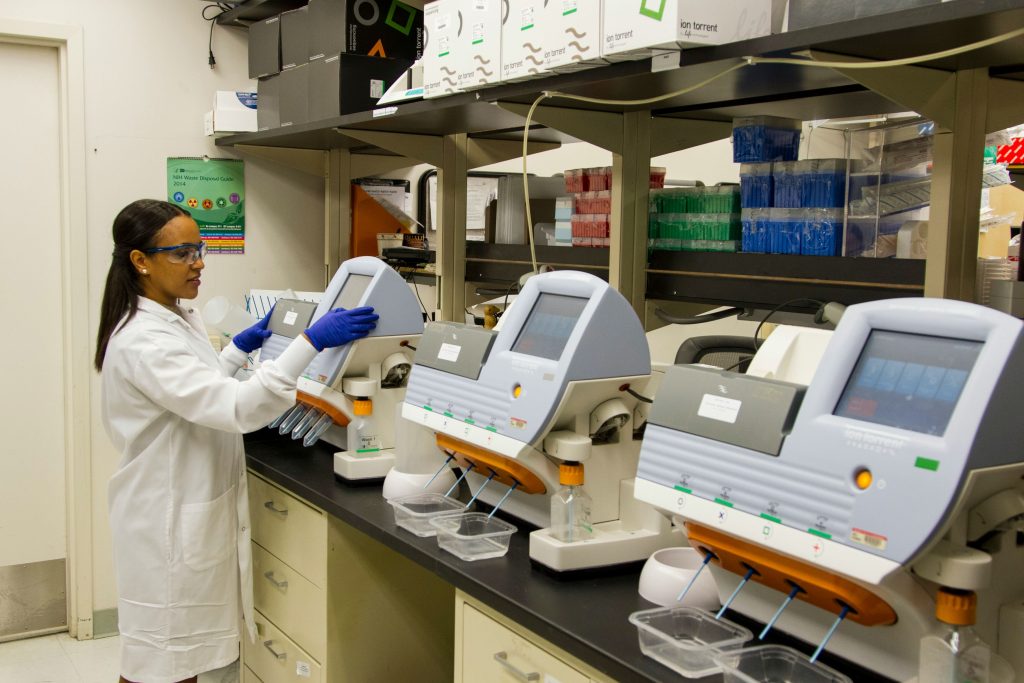
Improve your Plating using intelligence from Chemical Analysis and your PLC data. In today’s fast-paced manufacturing environment, precise control and optimization of plating processes are crucial for achieving consistent, high-quality results. Traditional methods of monitoring and adjusting plating parameters can be time-consuming, reactive, and prone to human error. However, by harnessing the power of data from chemical analysis and PLC (Programmable Logic Controller) systems, you can gain a deeper understanding of your plating processes and proactively optimize them for superior results. The Importance of Chemical Analysis Chemical analysis plays a pivotal role in ensuring the health and performance of your plating baths. Regular analysis of critical parameters such as pH, metal concentration, and additive levels can provide valuable insights into the state of your plating solutions. By closely monitoring these parameters, you can identify deviations early and take corrective actions before they impact your plating quality or efficiency. Integrating Chemical Analysis Data You can unlock many optimization opportunities by integrating chemical analysis data with plating process control systems. Automated data acquisition and analysis allow you to track trends, identify correlations, and make informed decisions based on real-time insights. This data-driven approach can help you: Optimize Bath Maintenance: Proactively adjust bath compositions, replenish additives, and schedule maintenance based on actual bath conditions, minimizing downtime and reducing waste. Enhance Process Control: Utilize chemical analysis data to fine-tune plating parameters such as current density, temperature, and agitation, ensuring consistent and repeatable results across all plating lines. Predictive Maintenance: By analyzing historical data and correlating it with plating performance, you can predict potential issues before they occur, enabling preventive maintenance and reducing unplanned downtime. Leveraging PLC Data for Process Optimization Your PLC systems contain a wealth of data that can be harnessed to optimize your plating processes further. By integrating PLC data with your chemical analysis insights, you can understand how various process parameters interact and impact your plating quality. Some key benefits of leveraging PLC data include: Real-time Monitoring: Continuously monitor and analyze critical process parameters such as current density, temperature, and solution flow rates, allowing immediate adjustments to maintain optimal conditions. Data-driven Troubleshooting: Correlate process data with plating quality metrics to identify root causes of issues and implement targeted solutions quickly. Process Optimization: Utilize advanced analytics and machine learning algorithms to identify optimal parameter settings for different plating requirements, maximizing efficiency and minimizing waste. Implementing a Data-driven Approach To fully leverage the power of chemical analysis and PLC data, it’s essential to implement a robust data management and analytics platform. This platform should seamlessly integrate data from multiple sources, provide powerful visualization and analysis tools, and enable collaborative decision-making across your organization. By embracing a data-driven approach to plating process management, you can achieve superior plating quality, improve operational efficiency, reduce waste, and gain a competitive edge in the market. At , we understand data’s critical role in optimizing plating processes. Our team of experts can assist you in implementing a comprehensive data management and analytics solution tailored to your specific needs. Contact us today to learn how you can unlock the full potential of your plating operations through the power of data. About PROPLATE™ PROPLATE™ is the ultimate all-in-one surface finishing solution platform meticulously designed to revolutionize your operations and services. With its comprehensive suite of tools and features, PROPLATE™ offers unparalleled efficiency and convenience in managing all aspects of surface finishing processes. From streamlined project management to seamless communication with clients, PROPLATE™ empowers businesses to optimize their workflows, enhance productivity, and deliver exceptional results. Whether a small-scale operation or a large manufacturing facility, PROPLATE™ provides the tools to streamline your operations, elevate your services, and stay ahead in today’s competitive market. Schedule a Demo Download Now! 8 Proven Surface Finishing Techniques Every Professional Should Know
Unlocking Data-Driven Results: AI’s Impact on Surface Finishing
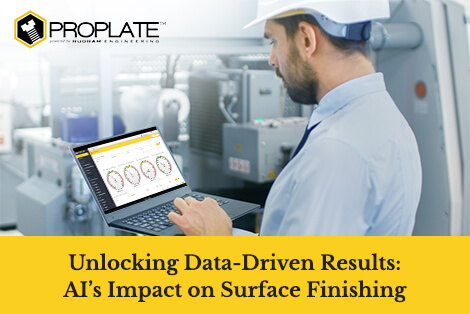
Unlocking Data-Driven Results: AI’s Impact on Surface Finishing Surface finishing, the final step in manufacturing, is significant in enhancing products’ aesthetics, durability, and functionality. Traditionally, this process has relied on manual labor and subjective assessments. However, with the advent of artificial intelligence (AI), the landscape of surface finishing is undergoing a revolutionary transformation.Introduction to Surface FinishingSurface finishing encompasses a range of techniques to improve a material’s surface properties. Whether painting, plating, or polishing, the goal is to achieve desired characteristics such as smoothness, corrosion resistance, or decorative appeal.Importance of Data-Driven ApproachesData has emerged as a crucial asset for informed decision-making in today’s competitive market. Manufacturers can gain valuable insights into process optimization, quality control, and resource allocation by leveraging data-driven approaches.AI Revolutionizing Surface FinishingAutomation in Surface PreparationOne area where AI is making significant strides is in automating surface preparation tasks. Through machine learning algorithms, systems can analyze surface conditions and recommend optimal pre-treatment methods, such as cleaning, sanding, or etching, leading to more consistent results and reduced cycle times. Predictive Maintenance and Quality ControlAI-powered predictive analytics enable real-time monitoring of equipment performance and surface quality. By detecting anomalies and potential defects early on, manufacturers can proactively address issues, minimize downtime, and ensure adherence to quality standards.Enhanced Efficiency and Cost ReductionStreamlined ProcessesBy automating repetitive tasks and optimizing workflows, AI helps streamline surface-finishing processes, increasing efficiency and productivity. This reduces labor costs and accelerates product time-to-market.Reduced Material WasteAI can minimize material waste by precisely controlling coating thickness and application rates through data analysis and optimization algorithms. This not only reduces raw material consumption but also contributes to environmental sustainability.Improved Quality and ConsistencyPrecision in Coating ThicknessOne of the challenges in surface finishing is achieving uniform coating thickness across complex geometries. AI-based control systems can adjust real-time parameters to ensure consistent coverage, improving product quality and performance.Minimization of DefectsAI algorithms can identify and mitigate potential defects, such as runs, sags, or uneven finishes, by analyzing surface data and adjusting process parameters accordingly. This enhances the overall aesthetics and functionality of finished products.Advancements in Material ScienceCustomized Coating SolutionsAI facilitates the development of customized coating solutions tailored to specific applications and performance requirements. Researchers can design coatings with enhanced durability, adhesion, and corrosion resistance by analyzing vast amounts of material data.Tailored Surface PropertiesWith AI-driven surface engineering techniques, manufacturers can tailor surface properties, such as roughness, hydrophobicity, or conductivity, to meet diverse customer needs. This level of customization enhances product functionality and value.Challenges and ConsiderationsWhile AI offers tremendous potential for optimizing surface finishing processes, it poses particular challenges and considerations. These include concerns related to data security and privacy and the integration of AI systems into existing manufacturing infrastructures.Future Outlook: Innovation and GrowthDespite the challenges, the future of surface finishing looks promising with continued advancements in AI technology. From intelligent robotic systems to smart coatings, innovation in this field is poised to drive efficiency, quality, and sustainability.ConclusionIn conclusion, AI’s impact on surface finishing is profound, unlocking new levels of efficiency, quality, and customization. Manufacturers can achieve superior results by harnessing the power of data-driven approaches while staying ahead in today’s competitive market.Unique FAQsHow does AI improve surface finishing quality?AI analyzes surface data in real time, enabling precise control of process parameters to minimize defects and ensure uniform coating thickness.What are the main challenges in adopting AI for surface finishing?Challenges include data security concerns, integration with existing systems, and the need for specialized expertise.Can AI help reduce material waste in surface finishing?AI optimization algorithms can minimize material waste by accurately controlling coating thickness and application rates.What role does predictive maintenance play in surface finishing?Predictive AI-powered maintenance helps identify equipment issues early on, reducing downtime and ensuring consistent quality.How can manufacturers benefit from AI-driven surface engineering?AI enables the development of customized coating solutions tailored to specific applications, enhancing product performance and value. Download Now! 8 Proven Surface Finishing Techniques Every Professional Should Know