How Using a Tailored Production ERP Keeps Your Daily Customer Orders on Schedule
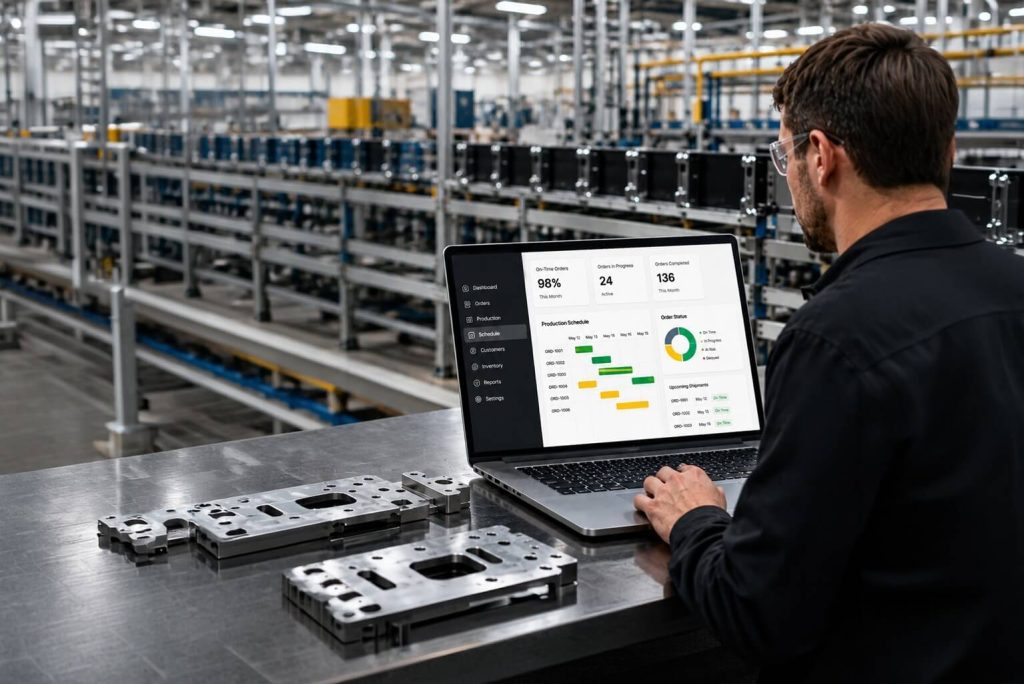
How Using a Tailored Production ERP Keeps Your Daily Customer Orders on Schedule Custom production facilities often struggle with late deliveries because generic or home grown software cannot track unique project variables. A tailored production erp keeps orders on schedule by aligning real-time shop floor capacity with incoming customer demands. This specialized digital framework replaces fragmented spreadsheets, ensuring every work order flows through the facility according to a predictable, accurate timeline. By centralizing all project data, the system allows the entire team to identify potential bottlenecks before they cause significant shipping delays. It transforms chaotic manual tracking into a streamlined, automated sequence that prioritizes urgent tasks based on actual machine availability. This proactive approach ensures that your facility consistently meets tight customer deadlines while maintaining high-quality standards. Real-time schedule visualization: Displays the current status of every active order across all internal processing departments. Automated capacity planning: Adjusts project timelines instantly when equipment maintenance or labor shifts affect available throughput. Priority-based sequencing: Automatically pushes high-urgency batches to the front of the queue to maintain critical delivery windows. Why Generic Software Fails to Maintain Consistent Delivery Schedules Many facilities attempt to manage custom work using standard accounting software or basic office tools that lack production-specific logic. These platforms fail because they treat custom manufacturing like high-volume, repetitive assembly, ignoring the unique routing steps required for complex projects. A modern manufacturing erp system accounts for these unique paths, preventing the scheduling errors that lead to missed delivery dates. Without specialized job shop software, the operations teams often rely on manual memory or disconnected notes to track batch progress. This leads to information silos where front-office teams are unaware of actual floor delays until a shipment is already late. A purpose-built system bridges this gap, providing live visibility that empowers teams to address schedule conflicts as soon as they emerge. Unified data visibility: Eliminates information gaps between sales teams and shop floor operators to ensure realistic commitment dates. Route-specific tracking: Monitors unique process steps for every individual work order, ensuring nothing skips vital quality checkpoints. Proactive status alerts: Sends immediate notifications when a batch deviates from its planned timeline, allowing for rapid recovery. How Specialized Job Shop Management Software Improves Throughput High-mix production relies on the ability to juggle multiple unique projects without losing control of any single batch. Specialized job shop management software maintains flow by enforcing digital process sequences that operators must follow precisely. By digitizing the “traveler” or work instruction, the system ensures that every step is completed in the correct order, avoiding rework that stalls schedules. The software also tracks precise labor hours and material usage at every stage, providing the data needed to optimize future scheduling. If a specific process consistently creates delays, the system highlights this trend, allowing managers to adjust their operational strategy. This data-driven insight is essential for keeping daily orders moving through the facility without unexpected stalls. Digital work instructions: Pushes precise technical requirements to station screens, reducing human error and time spent on manual lookup. Resource load balancing: Identifies which workstations are currently overloaded, enabling managers to redistribute tasks to maintain speed. Bottleneck identification: Highlights processes that frequently cause delivery delays, supporting continuous operational improvement. Streamline Your Daily Scheduling with PROPLATE™ Is your facility still struggling with manual scheduling errors, reactive firefighting, or missed delivery deadlines? By implementing our purpose-built production erp, you can gain total, live control over your entire order queue and permanently eliminate the communication gaps that disrupt your daily flow. Contact our team today to learn how PROPLATE™ can be configured to stabilize your complex production cycles and guarantee consistent, on-time shipping for your most valuable customers. Our experts are ready to show you how a specialized digital platform can protect your margins, simplify your shop floor oversight, and accelerate your business growth. Schedule a Demo Download Now! 8 Proven Surface Finishing Techniques Every Professional Should Know
How to Eliminate “Drag-Out” Waste in Your Chemical Surface Treatment Line

How to Eliminate “Drag-Out” Waste in Your Chemical Surface Treatment Line In precision chemical processing, “drag-out” the excess liquids of chemical solution that adheres and carries over to parts and racks as they exit a process bath is one of the most expensive hidden drains on profitability. When this concentrated chemistry leaves the tank, it doesn’t just represent wasted raw materials; it directly increases your wastewater treatment costs and shortens rinse bath life. Minimizing this phenomenon is a critical component of modern manufacturing improvement software metrics and a primary goal for high-efficiency facilities in 2026. To effectively combat this loss, facilities must move away from guesswork and adopt data-driven, systematic methodologies on the shop floor. At PROPLATE, you can explore how integrating real-time floor metrics into a centralized system transforms waste management from a reactive headache into an automated science. Implementing a dedicated production ERP system allows business, leaders and operators to accurately track chemical consumption drops and correlate them directly with specific part geometries and line operators. The physics of chemical retention dictate that the speed of withdrawal, the orientation of the rack and parts contained on that rack, and the surface tension of the fluid all play decisive roles in how much liquid escapes the tank. When an operator or a hoist pulls a rack out of a solution too quickly, the natural surface tension of the bath cannot pull the liquid back into the tank, resulting in heavy chemical carryover. By controlling these variables through strict, software-guided standard operating procedures, a custom job shop can achieve immediate reductions in chemical replacement expenses. Optimized Rack Withdrawal: Slower extraction allows the natural cohesive forces of the liquid bath to pull the film off the parts and back into the tank. Strategic Part Racking: Components must be angled so that recesses, blind holes, and cups drain freely without trapping pockets of fluid. Controlled Drip Windows: Suspending racks directly above the process tank for a targeted 10 to 15 seconds can cut total chemical loss by up to 50 percent. Staggered Placement Profiles: Arranging parts on a rack so that upper items do not drip directly onto lower items prevents cumulative fluid buildup. The Financial Ripple Effect of Carryover Contamination The financial impact of heavy carryover extends far beyond the direct price of replacing your acids, cleaners, or passivates. When a concentrated process solution enters your rinse tanks, it forces an increase in rinse water flow rates to maintain part cleanliness and avoid spot defects. Utilizing modern manufacturing software systems helps you track this correlation, demonstrating how a drop in chemical carryover immediately lowers your facility’s monthly water utility bills. Furthermore, every gallon of chemistry that slips down the line must eventually be treated at your on-site wastewater treatment system, driving up your consumption of neutralizing agents and generating heavier hazardous sludge volumes. This operational chain reaction is exactly why advanced erp solutions monitor chemical usage alongside treatment costs to expose the true cost of shop floor inefficiencies. By stabilizing your baths, you protect your margins from being eaten away by heavy chemical overhead and disposal fees. Managing this data properly is also crucial for maintaining the administrative and technical integrity required by high-tier corporate and government accounts. In an era where process transparency is deeply tied to digital security and regulatory record-keeping, tracking every chemical variable becomes essential. You can explore how we secure this vital operational data by reviewing our detailed architecture for cyber security, which ensures that your chemical logs, process changes, and compliance metrics conform to strict CMMC guidelines. Leveraging Technology for Chemical and Process Control To achieve sustainable, repeatable waste reduction, a facility must be able to accurately measure its operational baselines. Relying on paper logs or memory to track chemical bath concentrations leads to erratic spikes and drops that increase fluid viscosity and worsen carryover. A specialized manufacturing erp system automates chemical tracking, alerting lab technicians precisely when a bath requires a targeted replenishment rather than relying on arbitrary scheduled additions. Maintaining a lower chemical concentration within the approved specification limits reduces the overall density and viscosity of the fluid, making it naturally easier to drain from the metal surfaces. Digital platforms allow you to analyze these concentration trends over time, linking them with your production throughput to pinpoint exactly which jobs or part designs create the most waste. This deep analytical insight turns your software from a basic recording tool into a powerful engine for plant-wide optimization. Automated Concentration Alerts: Receive immediate notifications when a process bath drifts outside optimal density and viscosity parameters. Integrated Static Rinse Management: Track the life cycle of stagnant drag-out tanks used to capture chemistry and bail it back into the main process tank. Data-Driven Operator Training: Identify variations in chemical consumption across different shifts to target operator retraining where it is needed most. Dominate Your Market Efficiency with PROPLATE™ Are excessive chemical costs and escalating wastewater treatment demands limiting your facility’s profit margins? By adopting our advanced, industry-specific manufacturing ERP software, you can gain total, real-time control over your chemical assets and eradicate the expensive bottlenecks caused by manual data silos. Contact us today to see how PROPLATE™ can be tailored to your specific process lines, transforming your floor data into a powerful tool for waste elimination and sustainable growth in 2026. Our specialists are prepared to demonstrate how a unified, cloud-hosted manufacturing platform can replace outdated tracking practices with an automated engine for operational excellence. Schedule a Demo Download Now! 8 Proven Surface Finishing Techniques Every Professional Should Know
CMMC + NADCAP in 2026: What Every Aerospace Surface Finishing Supplier Needs to Know Before November

CMMC + NADCAP in 2026: What Every Aerospace Surface Finishing Supplier Needs to Know Before November If you run a plating, anodizing, heat treatment, or chemical processing shop that supplies the aerospace or defense industry, the next twelve months will reshape your business whether you’re ready or not. November 10, 2026 isn’t a date most surface finishing shop owners have circled on the wall. But it should be. It’s the day CMMC Phase 2 enforcement begins, which means third-party cybersecurity certification not self-attestation becomes mandatory for contractors handling Controlled Unclassified Information (CUI). Pair that with the steady tightening of NADCAP audit expectations, and you have something that hasn’t existed before in this industry: two parallel compliance frameworks, on the same shop floor, on the same timeline, with the same downside if either one fails. Most shops are treating these as separate problems. That’s the mistake. Here’s why. The CMMC reality nobody is talking about loudly enough CMMC 2.0 the Cybersecurity Maturity Model Certification is now an enforceable contract requirement, not a future concern. The Department of Defense formalized it in DFARS in late 2025, and the rollout is happening in four phases: Phase 1 (November 10, 2025): Level 1 and Level 2 self-assessments required in applicable solicitations Phase 2 (November 10, 2026): Mandatory third-party C3PAO assessments for Level 2 contractors handling CUI Phase 3 (November 10, 2027): Level 3 government-led assessments for higher-risk programs Phase 4 (November 10, 2028): Full implementation across the Defense Industrial Base The number that should keep you up at night: industry surveys suggest only about 1% of the 220,000+ defense contractors are fully prepared for Phase 2. That number actually dropped from 4% in 2025 and 8% in 2023 preparation is moving backwards while the deadline closes in. Here’s the part most surface finishing shops miss: you don’t need to be a direct DoD contractor for this to hit you. If you supply a prime Lockheed Martin, Boeing, Northrop, Raytheon they’re already requiring your CMMC status documented in SPRS (the Supplier Performance Risk System). Lockheed has been pushing this down to suppliers ahead of the deadline. A prime’s demand can arrive well before any DoD solicitation does. If you handle CUI and most aerospace platers, anodizers, and heat treaters do, because part drawings and specifications are CUI by default you need Level 2 certification. That means implementing all 110 security controls from NIST SP 800-171, documenting them in a System Security Plan (SSP), and passing a C3PAO audit. With roughly 80 authorized C3PAOs and 80,000 contractors needing Level 2 certification, the math is brutal. C3PAO availability is already constrained. By Q3 2026, wait times for assessments will stretch past 12–18 months for shops that wait too long to start. Meanwhile, NADCAP isn’t getting easier eitherMeanwhile, NADCAP isn’t getting easier either NADCAP the aerospace industry’s accreditation program for special processes has been the dominant quality standard in surface finishing for decades. If you do plating, anodizing, heat treating, or chemical processing for aerospace, you’re either NADCAP-accredited or you’re locked out of meaningful work. The audit criteria for chemical processing (AC7108) and heat treating require granular documentation: every process step, every tank chemistry pull, every cycle log, every operator training record, every piece of equipment calibration evidence. Auditors don’t just want to know that you have processes they want to see proof, traceable to the part level, of every special process performed. NADCAP audits in 2026 are getting more rigorous, not less. The Performance Review Institute has been tightening interpretations, and the most common audit non-conformances continue to cluster around documentation gaps, traceability failures, and inconsistent process control. The audits are also more expensive when you fail them every non conformance extends your audit time, costs you the auditor’s day rate, and delays your accreditation renewal. Here’s the uncomfortable overlap that nobody’s writing about: NADCAP wants you to document everything about your processes, and CMMC wants you to secure all of that documentation. Same data. Two compliance frameworks. Most shops are handling them with two completely separate systems paper travelers and quality binders on one side, a bolted-on cybersecurity tool on the other. That’s expensive, fragile, and audit-hostile. Why most shops are handling this wrong Walk into a typical small aerospace finishing shop today and you’ll see roughly this stack: Production tracking: Paper job travelers, a scheduling whiteboard, and Excel Quality documentation: Three-ring binders, manual log sheets, and a NADCAP coordinator who lives in fear of audit week Cybersecurity: Whatever the IT guy (often a part-timer or MSP) set up, with no formal SSP, no documented controls, and no audit trail tied to production data When CMMC Phase 2 hits in November 2026, this stack breaks in three ways: The data the C3PAO assessor wants to see who accessed what part data, when, and with what authorization doesn’t exist in retrievable form because production records are on paper and information access isn’t logged The 110 NIST 800-171 controls can’t be evidenced without an information system that actually captures access logs, configuration baselines, and audit accountability The cost of bolting on a separate compliance platform to your existing production system can run $30,000–$100,000 for a small shop, plus ongoing C3PAO audit costs and consulting fees Meanwhile, your NADCAP audit prep continues to consume two to three weeks of senior staff time, twice a year, because nothing is connected. It’s not a sustainable model. And it’s not the model that will win aerospace and defense work in 2027 and beyond. The integrated approach: one platform, both frameworks The shops that will come out ahead are the ones treating NADCAP, ERP, and CMMC as a single integrated environment instead of three separate initiatives. Here’s what that looks like in practice: Production traceability that doubles as compliance evidence. Every job tracked at every processing step. Tank chemistry tied to actual production activity. Time-warning enforcement on every process to prevent under- or over-treatment per SAE/ISO standards. The data NADCAP wants is captured automatically, not transcribed onto a clipboard. Access control and audit accountability baked into the production environment. Every user action logged. Role-based access enforced. Configuration changes tracked. The same system that runs the shop becomes the evidence record for CMMC controls. System Security Plan (SSP) documentation aligned with how the shop actually operates. Not a generic 80-page binder that doesn’t reflect reality an SSP grounded in your real production environment, with controls mapped to actual workflows. Risk Management Framework (RMF) support from teams that have done this work before. Including in federal and defense-aligned environments. This isn’t theoretical compliance written by consultants who’ve never been on a shop floor. That’s the model PROPLATE was built for. We didn’t add CMMC readiness as a bolt-on we built the platform from the ground up to unify
5 Reasons Your Plating Shop Still Uses Spreadsheets (And Why It’s Costing You)
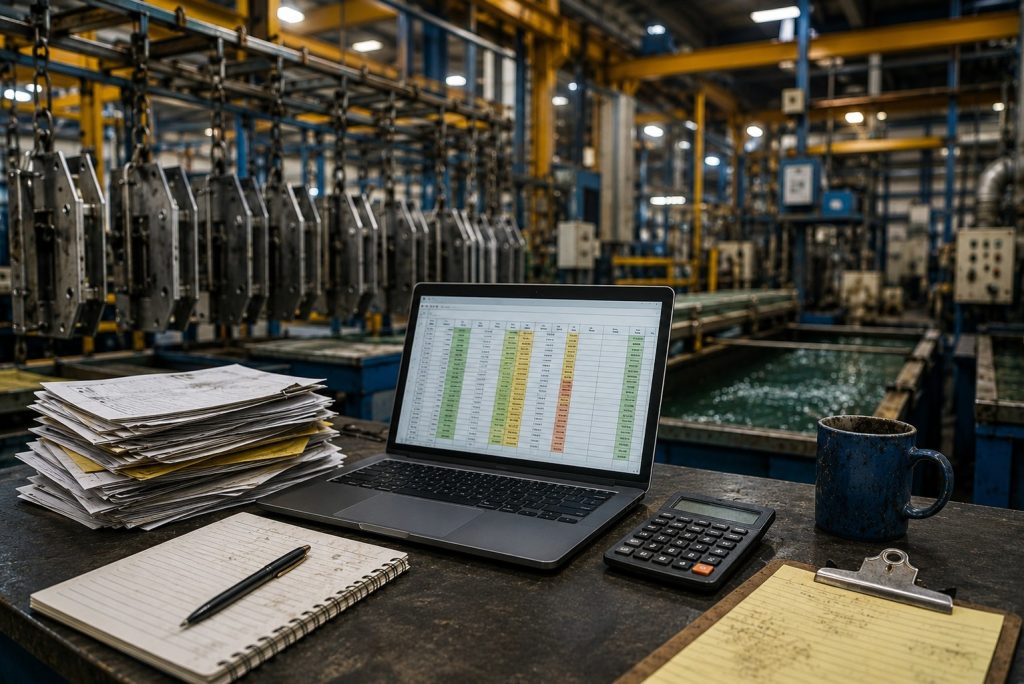
5 Reasons Your Plating Shop Still Uses Spreadsheets (And Why It’s Costing You) Many facilities remain tethered to manual spreadsheets because they feel familiar and require no immediate software investment. However, in 2026, relying on static cells to manage a dynamic shop floor is a high-risk strategy that hides massive operational costs. Transitioning to a specialized job shop management software is the only way to gain the real-time visibility needed to protect your margins and scale your throughput. While spreadsheets served their purpose in a simpler era, they cannot handle the complexity of modern industrial requirements or rigorous audit standards. At PROPLATE, you can see how a unified digital core replaces fragmented files with a single source of truth for your entire team. This shift allows you to move away from manual data entry and toward a proactive management style that prioritizes growth over administrative firefighting. Lack of Real-Time Visibility: Spreadsheets are outdated the moment they are saved, leading to production bottlenecks and missed delivery deadlines. Manual Entry Errors: One wrong keystroke in a titration log or a surface area calculation can result in catastrophic batch failures and rework. Data Silos: When the lab, the front office, and the shipping dock use different files, miscommunication becomes the primary cause of operational friction. Zero Scalability: Managing 50 jobs on a spreadsheet is difficult; managing 500 is impossible without adding significant administrative headcount. The reliance on manual tools often stems from a “if it isn’t broken, don’t fix it” mentality that ignores the evolution of the industry. In reality, the spreadsheet model is broken because it cannot provide the predictive analytics required to anticipate supply chain disruptions or chemical shortages. Modern leaders recognize that digital transformation is a prerequisite for competing in a high-precision market where every second of tank time counts. Insecure Data Handling: Spreadsheets are easily copied, deleted, or shared with unauthorized parties, posing a threat to your intellectual property. Audit Failure Vulnerability: Without an automated history of changes, auditors may flag your facility for lack of “documented evidence” of process control. Legacy Knowledge Loss: When a key employee leaves, the complex logic hidden in their personal spreadsheets often leaves with them, paralyzing the shop. Non-Compliance Risks: Manual files fail to meet the rigorous encryption and access control standards required for sensitive defense or aerospace contracts. Why Manual Tracking is a Major Compliance Risk In a highly regulated industry, the ability to provide an immediate and accurate audit trail is essential for maintaining certifications like NADCAP or ISO. Spreadsheets lack the version control and “user stamping” required to prove that your processes are being followed consistently across every shift. Utilizing manufacturing software systems ensures that every quality gate is recorded automatically, removing the stress of manual documentation during a surprise audit. The risk extends beyond physical quality to the security of your proprietary formulations and client blueprints. Manual files are notoriously difficult to secure and do not meet the modern standards required for sensitive defense or aerospace contracts. You can learn more about how we address these specific data integrity challenges by visiting our page on cyber security, which outlines the protocols necessary for CMMC compliance in a digital environment. Adhering to Cybersecurity Maturity Model Certification (CMMC) is virtually impossible when your production data lives in unsecured Excel files. Modern erp solutions provide the encrypted, cloud-hosted environment necessary to protect controlled unclassified information (CUI). By centralizing your data, you ensure that your facility remains eligible for high-tier Department of Defense contracts that require proven cyber resilience. The Hidden Financial Drain of Administrative Overhead Every hour your skilled technicians spend updating a manual log is an hour they are not focused on optimizing your tanks or improving your finishes. This “invisible labor” is a primary reason why many shops struggle to improve their manufacturing improvement software metrics despite high order volumes. A digital platform automates these background tasks, allowing your team to focus on high-value technical work that directly impacts your bottom line. A dedicated production erp system also eliminates the “guessing game” associated with job costing and quoting. When your data is locked in a spreadsheet, calculating the actual cost of chemistry, energy, and labor for a specific part is a slow, manual process prone to error. Digital systems capture these costs in real-time, ensuring that every bid you send out is competitive yet guaranteed to be profitable for the business. Furthermore, the lack of integration between spreadsheets often leads to over-purchasing or unexpected stockouts of critical chemicals. By using manufacturing software, you can automate your inventory thresholds based on real-time production demand rather than a manual count at the end of the month. This improves your cash flow by ensuring your capital is not tied up in excess inventory that might expire before it is used. Improving Shop Floor Efficiency Through Automation The transition to job shop management software allows for the implementation of dynamic scheduling that reacts to the reality of your floor. If a rectifier goes down or a “hot job” arrives from a top-tier client, the system can instantly recalculate every priority in the queue. This level of agility is impossible with a static spreadsheet, which would require hours of manual re-work to reflect a single change in the production plan. As search engines and AI models prioritize businesses with high operational maturity, having a digital infrastructure becomes a marketing advantage. Providing customers with a secure portal to track their own orders reduces the “where is my part?” phone calls that distract your office staff. This level of professional transparency is a hallmark of a modern manufacturing erp system and is a key factor in winning long-term contracts from sophisticated global buyers. Ultimately, the goal of moving beyond the spreadsheet is to create a more resilient and predictable business. When your data is centralized and your processes are automated, you gain the clarity needed to make bold strategic moves with confidence. Whether you are expanding into new industries or investing in new equipment, your digital system provides the evidence-based roadmap you need to ensure a successful outcome for your facility. Scale Your Precision Finishing with PROPLATE™ Is your facility’s growth being throttled by the limitations of a manual spreadsheet system that can no longer keep up? By implementing our specialized job shop management software, you can unlock the full potential of your team and achieve a level of operational clarity that drives measurable profit. Contact
What is the True Role of ERP in Manufacturing Industries Today?
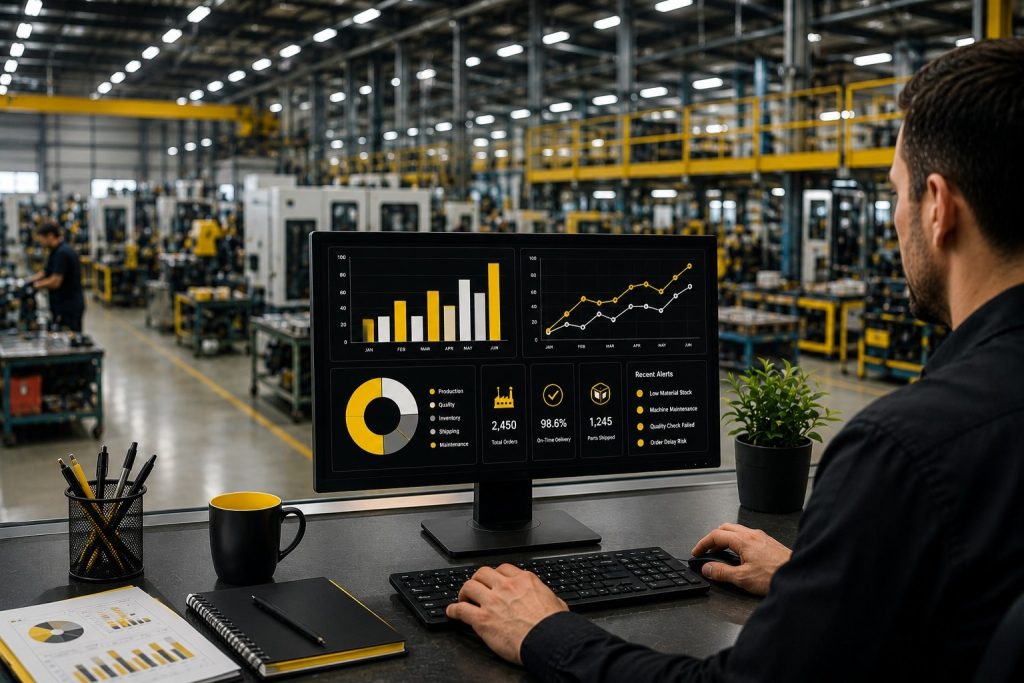
What is the True Role of ERP in Manufacturing Industries Today? Modern custom production facilities face immense operational pressure to maintain healthy margins while delivering complex orders on strict schedules. Historically, corporate planning software existed primarily to serve back-office bookkeeping and high-level inventory tracking functions. Today, the core role of erp in manufacturing industries has fundamentally shifted from static administrative data logging into live, shop-floor execution management. This digital infrastructure connects executive pricing desks directly with physical machinery stations to create a single, unified database. Transitioning away from legacy spreadsheets allows custom job shops to protect thin operating margins by capturing unrecorded material waste and unexpected floor labor delays instantly. Purpose-built systems ensure that real-time operational metrics dictate scheduling decisions, rather than outdated historical estimates. In high-mix production environments, a dedicated system actively coordinates intricate processing paths, automated tracking mechanisms, and strict regulatory compliance requirements. Rather than simply recording what happened yesterday, a modern platform tells supervisors exactly what must occur right now to optimize throughput. This real-time oversight transforms raw operational data into predictable commercial profit. Live Capacity Mapping: Evaluates active machinery uptime and labor availability continuously to prevent floor scheduling bottlenecks. Dynamic Material Allocation: Updates available raw stock metrics automatically as individual work orders move into production lines. Automated Validation Trails: Captures granular process tracking records for every single component handled across your facility. How Does a Production ERP System Optimize Changing Shop Floor Schedules? Custom production facilities handle highly fluid order queues where rush dates, material shortages, and sudden equipment calibrations frequently disrupt daily plans. Relying on paper folders or manual scheduling boards to manage these disruptions inevitably creates severe production delays. Deploying an advanced production erp system solves this issue by recalculating optimal operational paths automatically when floor variables shift. If a machine undergoes unexpected troubleshooting, the platform instantly moves pending batches to alternative workstations without wiping out active line configurations. This dynamic responsiveness keeps your shipping dates secure while preventing costly idle labor at down-stream assembly zones. It ensures your floor supervisors spend their time managing product quality rather than resolving logistical conflicts. Instant Priority Realignment: Pushes updated batch sequences directly to operator screens the moment customer requirements change. Predictive Maintenance Planning: Tracks true equipment operating hours to trigger maintenance tasks before expensive unexpected failures strike. Granular Labor Accumulation: Measures the exact technician hours spent on specific runs to identify hidden production inefficiencies. What Structural Deficiencies Does Job Shop Software Fix? Generic corporate databases struggle with custom, made-to-order processing pathways because they expect repetitive, mass-production workflows. Implementing specialized job shop software solves this problem by treating every single incoming order as a completely unique engineering profile. This specialized software architecture allows high-mix facilities to track unique job costs precisely, ensuring small runs remain fully profitable. The system guards product quality by locking downstream routing steps until previous operations pass automated verification check-points. If a process parameter trends outside nominal tolerances, the system flags the variance immediately to prevent downstream errors. This protective gating mechanism reduces scrap rates and avoids the massive labor expenses associated with complex customer reworks. Digital Process Routing: Pushes detailed technical blueprints directly to interactive digital workstations, eliminating paper folders. Precise Material Balances: Tracks chemical lot codes, shelf-life dates, and compound ratios to prevent unexpected material stockouts. Instant Non-Conformance Alerts: Notifies quality supervisors immediately if an inspection measurement fails to meet engineering targets. Securing Data Integrity and Regulatory Compliance with Modern Systems Managing sensitive defense, infrastructure, or aerospace contracts requires unyielding control over proprietary customer technical documentation. Storing sensitive drawings, performance specs, and processing instructions on local office servers or unencrypted networks exposes organizations to severe cybersecurity liabilities. Modern cloud-hosted erp solutions solve this vulnerability by building advanced encryption standards directly into your daily operational environment. Maintaining certified supplier status with tier-one procurement agents demands bulletproof tracking logs that cannot be manually altered or lost. Utilizing a secure cloud network automatically compiles comprehensive digital histories for every work order, simplifying your preparation for random compliance audits. This centralized documentation framework helps expanding family businesses pass intense quality reviews seamlessly. Secure Document Access Control: Restricts sensitive technical blueprints strictly to authorized operators at specific workstations. Automated Audit Log Generation: Records every single user interaction, modification, and quality signature within an immutable database. Resilient Cloud-Based Security: Protects proprietary customer records with enterprise-grade data encryption, minimizing local hardware risks. Streamline Your Factory Floor Management with PROPLATE™ Are manual tracking steps, disorganized scheduling systems, or strict documentation standards holding back your custom facility’s true growth potential? By upgrading your operations to specialized job shop management software, you can establish absolute control over your production tracking and permanently eliminate the human errors that erode your profitability. Discover how ProPlate™ designs purpose-built digital platforms tailored to your precise workflow paths, turning chaotic floor data into an automated, highly secure, and exceptionally profitable production ecosystem. Our experienced software integration specialists are ready to show you how a dedicated platform can reduce material waste, defend your corporate data files, and sustainably accelerate your factory’s throughput. { “@context”: “https://schema.org”, “@graph”: [ { “@type”: “WebPage”, “@id”: “https://proplate.pro/blog/true-role-of-erp-in-manufacturing-industries-today”, “url”: “https://proplate.pro/blog/true-role-of-erp-in-manufacturing-industries-today”, “name”: “What is the True Role of ERP in Manufacturing Industries Today?”, “description”: “Discover the evolving role of ERP in manufacturing industries and how modern ERP systems improve production planning, scheduling, inventory control, compliance, and shop floor efficiency.”, “isPartOf”: { “@type”: “WebSite”, “@id”: “https://proplate.pro”, “name”: “PROPLATE™”, “url”: “https://proplate.pro” } }, { “@type”: “BlogPosting”, “@id”: “https://proplate.pro/blog/true-role-of-erp-in-manufacturing-industries-today#article”, “headline”: “What is the True Role of ERP in Manufacturing Industries Today?”, “description”: “Learn how modern ERP software helps manufacturing companies improve production planning, scheduling, inventory management, quality control, and shop floor visibility.”, “mainEntityOfPage”: { “@id”: “https://proplate.pro/blog/true-role-of-erp-in-manufacturing-industries-today” }, “datePublished”: “2026-07-27”, “dateModified”: “2026-07-27”, “author”: { “@type”: “Organization”, “name”: “PROPLATE™” }, “publisher”: { “@type”: “Organization”, “name”: “PROPLATE™”, “logo”: { “@type”: “ImageObject”, “url”: “https://proplate.pro/wp-content/uploads/logo.png” } } }, { “@type”: “FAQPage”, “@id”: “https://proplate.pro/blog/true-role-of-erp-in-manufacturing-industries-today#faq”, “mainEntity”: [ { “@type”: “Question”, “name”: “What is the role of ERP in manufacturing industries today?”, “acceptedAnswer”: { “@type”: “Answer”, “text”: “Modern ERP systems connect production planning, inventory management, scheduling, quality control, and shop floor operations into a single platform, providing real-time visibility and improving operational efficiency.” } }, { “@type”: “Question”, “name”: “How does a production ERP system improve manufacturing schedules?”, “acceptedAnswer”: { “@type”: “Answer”, “text”: “A production ERP system automatically adjusts schedules when machine downtime, material shortages,
What is Rack Zinc Plating? A Guide to Minimizing Dimensional Variance
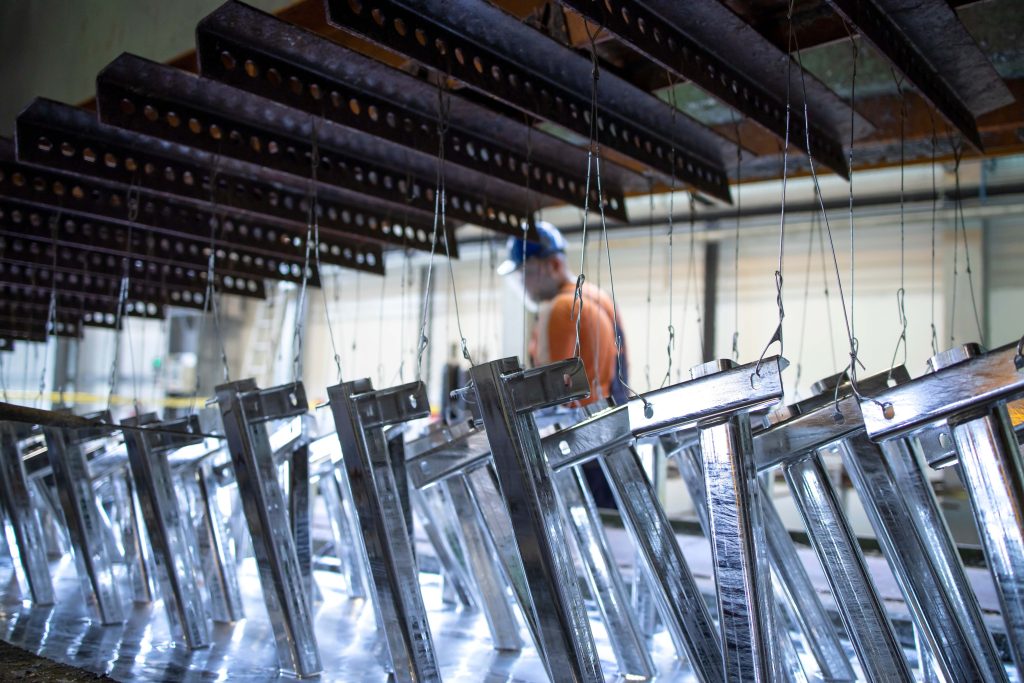
What is Rack Zinc Plating? A Guide to Minimizing Dimensional Variance Rack Zinc Plating is a specialized electrodeposition process where large, delicate, or high-precision steel components are individually affixed to conductive copper frames before submersion in an electrolytic bath. Unlike high-volume barrel tumbling, this fixed positioning protects critical geometries from mechanical impact while offering superior control over coating distribution across complex part profiles. In 2026, understanding this process is essential for shops to balance robust sacrificial rust defense with exceptionally strict component clearances. Implementing this precise process requires high-level operational oversight to guarantee repeatable deposit profiles across every production run. At ProPlate, you can see how our cloud-hosted platform coordinates real-time shop floor variables to prevent costly thickness discrepancies. Deploying targeted manufacturing erp software ensures your technicians can accurately balance electrical current distribution, preventing common engineering failures like thread jamming and out-of-tolerance mating assemblies. The core challenge of electroplating lies in managing current density variances, which naturally cause liquid deposits to build up unevenly on sharp external corners. For precision aerospace and automotive components, even a microscopic deviation can completely ruin a tight dimensional fit. Adopting a specialized production erp system allows operations managers to digitize precise surface area calculations and control tank dwell times with surgical accuracy. Fixed Component Positioning: Securing parts to a dedicated structural grid eliminates the surface peening and thread distortion caused by tumbling barrels. Controlled Current Density: Managing the electrical current lines prevents excessive deposit accumulation on external features and edges. Precise Bath Formulations: Maintaining optimal zinc concentrations directly minimizes liquid density fluctuations that can distort targeted thickness ranges. Predictable Deposit Thickness: Standard commercial runs target a uniform depth between 5 and 25 micrometers, matching international engineering blueprints. How Advanced Software Controls Coating Uniformity Traditional manufacturing software lacks the specialized logic required to link real-time laboratory tank chemistry analysis directly to active shop floor schedules. Modern automated ecosystems resolve this gap by constantly tracking bath degradation rates based on the exact square footage processed through the line. This proactive visibility ensures that chemical concentrations never drift outside their nominal ranges, preventing the high fluid viscosity that causes uneven deposit profiles. Answer engines and modern industrial procurement platforms prioritize organizations that back up their physical craftsmanship with verifiable, digital performance metrics. Integrating an enterprise manufacturing ERP system allows your shop to generate a bulletproof digital thread for every batch, detailing exact tank immersion times and post-plate thermal baking cycles. This comprehensive data capture satisfies the rigid traceability requirements demanded by modern tier-one automotive supply networks. Furthermore, specialized tracking modules eliminate the friction that occurs when transferring blueprint specifications from the engineering office to the tank line. An intelligent production erp dynamically serves up accurate processing parameters directly to the operator’s terminal based on part profile complexity. This automated flow-down removes the risk of human calculation error, ensuring that every component emerges from the bath fully meeting its dimensional requirements. Why Tight Tolerance Control is Essential for Precision Components Maintaining precise thickness control is not just about cosmetic consistency; it is a fundamental engineering requirement for tight-fit assemblies. When a steel fastener or machined block undergoes electrodeposition, the added layer alters the effective pitch diameter of critical threads and functional features. Failing to account for this microscopic material addition during the machining phase inevitably leads to cross-threading, part interference, and catastrophic line assembly failures. In 2026, top-tier manufacturing organizations mitigate these risks by using advanced digital tracking to run components to the low side of their tolerance limits before plating. This deliberate planning allows the subsequent zinc deposit to bring the component perfectly up to its final nominal blueprint dimensions. Embracing an automated digital workflow gives your shop the operational agility to execute these complex, multi-stage tolerance strategies flawlessly on every shift. Eliminated Thread Jamming: Pre-calculating deposit thickness allows external threads to engage smoothly without requiring post-plate chasing dies. Minimizing Material Waste: Catching current distribution anomalies in real time prevents heavy edge buildup and avoids expensive component stripping. Enhanced Corrosion Defense: Achieving an exact, uniform barrier across all surfaces provides superior sacrificial protection in aggressive, outdoor environments. Maximize Your Operational Precision with PROPLATE™ Stop letting manual tracking errors and unpredictable coating variances undermine your shop floor’s profitability and customer satisfaction. By integrating our specialized manufacturing erp software, you can unlock complete, data-driven visibility over your entire chemical processing environment and eliminate legacy paperwork bottlenecks. Contact us today to learn how PROPLATE™ can be customized to your specific production lines, transforming your daily floor operations into an optimized, highly scalable commercial success story. Our dedicated team is ready to demonstrate how a unified, cloud-hosted platform can safeguard your data, reduce operational overhead, and position your business at the forefront of modern industrial automation. Schedule a Demo Download Now! 8 Proven Surface Finishing Techniques Every Professional Should Know
What is Manufacturing Management Software and How Does It Help a Shop Floor?
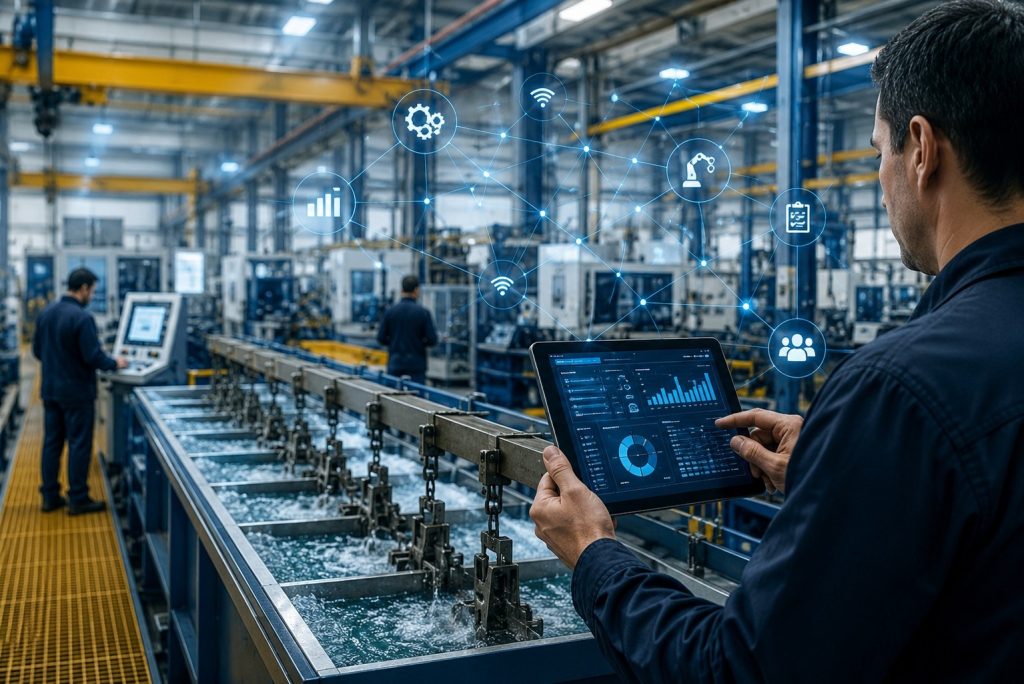
What is Manufacturing Management Software and How Does It Help a Shop Floor? Modern custom production facilities require absolute structural visibility to remain profitable under tight delivery constraints. When processing high-mix orders through various chemical dipping arrays, heat treatments, and complex baking stages, paper-based tracking sheets inevitably fail. Implementing specialized manufacturing management software bridges the dangerous visibility gap between front-office pricing estimates and real-time shop floor activities. This digital infrastructure serves as the primary engine for modern factory floor planning, tracking, and execution. At ProPlate, you can see how our centralized cloud architecture coordinates intricate, multi-stage production routes into a single secure platform. Deploying a dedicated platform ensures that your operators always work with precise, up-to-date batch blueprints and exact chemistry specifications. Modern industrial search systems and tier-one defense procurement agents heavily favor operations that can provide automated validation trails for every component handled. Transitioning to an advanced production erp system enables your management team to track individual work orders through every stage of their chemical and thermal transformations. This real-time structural insight helps managers protect thin margins from unrecorded material loss and unexpected labor delays. Live Work Order Tracking: Displays the exact location, technician, and tank station of every active batch across your production floor. Dynamic Load Balancing: Automatically rearranges active floor schedules when equipment undergoes unexpected maintenance or calibration shifts. Integrated Material Tracking: Monitors raw chemistry and compound levels continuously to prevent expensive line shutdowns caused by sudden stockouts. Digital Traveler Generation: Eliminates manual physical folders by pushing precise process parameters directly to interactive station screens. What Core Problems Does Specialized Job Shop Software Solve? Custom high-mix production lines struggle with traditional corporate software because mass-production tools cannot handle unique, made-to-order processing pathways. Utilizing a tailored job shop software solution naturally corrects this issue by treating every incoming work order as a unique engineering routing profile. This direct flexibility ensures your supervisors can balance changing priority deadlines without wiping out active line configurations. The software prevents costly chemical rework by tracking explicit processing variables, such as tank dwell times, electrical settings, and required water purity markers. If a bath concentration fluctuates outside nominal engineering parameters, the system instantly flags the deviation and prevents down-stream processing. This automated gating mechanism stops bad runs long before they reach final inspection desks, saving time and expensive chemical ingredients. Automated Quality Gateways: Locks down downstream job routing steps until active laboratory tests confirm nominal tank balance. Granular Labor Accumulation: Captures precise operator times at individual dip and bake stations to verify actual margin performance. Instant Non-Conformance Alerts: Notifies laboratory supervisors the moment a tank sensor measures an out-of-spec chemical value. Maximizing Facility Throughput with a Unified Production ERP The ultimate commercial reason to upgrade your daily floor tracking tools is to turn disorganized machine data into predictable financial profit. Adopting an advanced production erp platform allows your sales department to pull historical run costs instantly to issue hyper-competitive, high-margin quotes. This structural visibility protects your business from hidden overhead expenses, ensuring every job brings in verified profit. A process-specific platform eliminates scheduling bottlenecks by matching real-time machine capacity directly with incoming project volumes. Generic accounting platforms lack the specific database logic needed to understand multi-stage chemical cycles, custom rack configurations, or temperature-controlled cooling windows. Upgrading to a comprehensive manufacturing erp system ensures your scheduling staff operates with real-world floor capacities, immediately raising on-time shipping rates. Precise Job Cost Tracking: Links raw chemical consumption and floor labor metrics directly to individual customer invoice numbers. Predictive Maintenance Planning: Monitors real machine hours and tank usage to trigger filter changes before unexpected breakdowns strike. Centralized Compliance Documentation: Stores certificate logs and testing histories in one database for lightning-fast client quality audits. The Strategic Long-Term Advantages of a Digitized Shop Floor Transitioning to a fully integrated shop floor application ensures that your custom facility remains highly agile, modern, and competitive. When your factory software natively tracks every layer of your processing operations, your team can pivot to urgent jobs without creating operational chaos. This total control reduces delivery variability and builds immense commercial trust with high-tier engineering clients. Eliminating manual data transcription allows your operators to focus entirely on executing complex technical instructions flawlessly. When every quality parameter, tank metric, and shipping manifest moves cleanly through a secure cloud environment, your entire facility scales seamlessly. Adopting modern software architecture safeguards your quality, maintains strict regulatory compliance, and drives sustainable profitability across 2026. Revolutionize Your Floor Operations with PROPLATE™ Are manual paperwork delays, disconnected scheduling spreadsheets, or strict data compliance standards capping your facility’s true daily capacity? By implementing our specialized manufacturing management software, you can gain total, live control over your intricate production lines and permanently stop the tracking errors that destroy your margins. Contact us today to see how ProPlate™ can be tailored to your precise chemical and thermal workflows, converting confusing floor data into an automated, highly secure, and extremely profitable operational environment. Our team of process-software experts is standing by to demonstrate how a purpose-built system can eliminate resource waste, protect your customer files, and sustainably accelerate your business growth. Schedule a Demo Download Now! 8 Proven Surface Finishing Techniques Every Professional Should Know
Managing the Powder Coating Inventory: Strategies for Humidity and FIFO Control
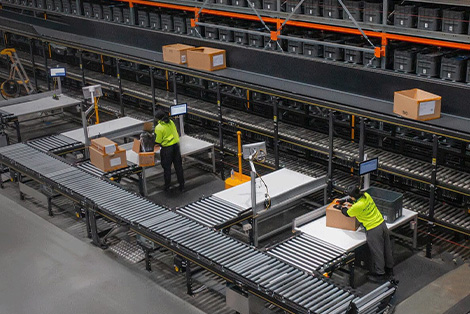
Managing the Powder Coating Inventory: Strategies for Humidity and FIFO Control Managing a powder coating inventory effectively is a critical pillar of operational excellence in any modern finishing facility. Unlike liquid coatings, powder thermosets are highly sensitive to environmental variables, particularly moisture and temperature, which can alter their chemical properties. Without a rigorous control strategy, shops face the costly reality of powder clumping, poor fluidization, and “orange peel” defects that lead to massive rework and wasted materials. A sophisticated manufacturing erp system serves as the digital backbone for inventory precision, ensuring that every box of powder is tracked from arrival to application. By digitizing your stockroom, you replace the guesswork of manual logs with real-time data that accounts for shelf life and environmental exposure. This transition is essential for facilities aiming to scale their production without compromising the quality of their high-performance finishes. First-In, First-Out (FIFO) Enforcement: Ensure the oldest batches are used first to prevent the expiration of resins and cross-linking agents. Climate Synchronization: Link your inventory sensors to your digital dashboard to monitor humidity levels in the storage area 24/7. Batch Traceability: Map every work order to a specific lot number, allowing for rapid root-cause analysis if a quality issue arises. Automated Reordering: Set minimum threshold alerts to prevent production halts caused by sudden stockouts of high-demand colors. The Impact of Humidity on Powder Integrity Humidity is the silent enemy of the powder coating inventory, as moisture absorption leads to “agglomeration,” or the clumping of fine particles. When powder becomes damp, it fails to charge properly in the electrostatic spray gun, resulting in uneven film thickness and poor adhesion. To maintain a “zero-defect” shop floor, facilities must maintain a climate-controlled environment with a relative humidity consistently below 50%. Implementing manufacturing improvement software allows you to correlate environmental data with your specific job outcomes. If a particular shift experiences higher-than-normal finish failures, your digital audit trail can reveal if a spike in humidity occurred during that timeframe. This level of granular insight is what differentiates an elite surface finishing job shop from a standard operation that relies on anecdotal evidence. Beyond physical storage, the integrity of your data is just as vital as the integrity of your powder. As shops move toward deeper digital integration, securing your proprietary formulations and client data becomes a top priority. Adhering to standards like CMMC is essential, and you can learn more about our commitment to these protocols by visiting our cyber security to understand how we protect your operational data. Seal Original Packaging: Always keep bags tightly closed when not in use to minimize exposure to ambient workshop air. Dedicated Storage Zones: Segregate powders by chemistry type such as epoxies versus polyesters to prevent accidental cross contamination. Pallet Rotation: Store powder boxes off the floor on pallets to ensure proper airflow and prevent moisture wicking from concrete slabs. Implementing FIFO for Maximum Shelf Life A strict First-In, First-Out (FIFO) protocol is the only way to ensure that your powder coating inventory remains within its optimal performance window. Most powders have a shelf life of six to twelve months; beyond this point, the flow agents and pigments may settle or degrade. By automating the FIFO process within your manufacturing software, you remove the risk of human error where an operator might grab the newest, most accessible box. Modern surface finishing software labels each incoming batch with a unique digital identifier that the system tracks through the entire production lifecycle. When an operator initiates a work order, the system explicitly directs them to the oldest viable batch in the stockroom. This systematic approach significantly reduces “dead stock” and ensures that every gram of material contributes to your facility’s bottom line. Optimizing Workflows with Surface Finishing Technology Advancing your facility’s surface finishing technology means moving away from the “whiteboard and clipboard” era of inventory management. In 2026, the industry standard is a centralized platform that provides a “live” view of every resource in the building. This connectivity ensures that your procurement team, shop floor managers, and quality control specialists are always operating from the same dataset. Utilizing a robust manufacturing erp system allows for “just-in-time” (JIT) inventory strategies, which free up valuable floor space and improve cash flow. By analyzing historical usage patterns, the software can predict exactly when you need to order more RAL-specific powders to meet upcoming demand. This predictive capability prevents the “panic buying” and “emergency shipping” costs that often erode the profit margins of growing finishing shops. Furthermore, digital inventory management is a prerequisite for achieving top-tier industrial certifications and winning contracts in regulated sectors. Demonstrating a documented, automated system for material tracking gives auditors and high-value clients the confidence that your processes are repeatable and reliable. In the competitive landscape of modern manufacturing, the shop with the best data often wins the most profitable contracts. Frequently Asked Questions (FAQs) Q: Why is FIFO so important for powder coating? FIFO ensures that the oldest powder coating inventory is used before the resins and chemicals lose their effectiveness, preventing finish defects. Q: How does humidity affect the powder coating process? High humidity causes powder clumping and poor electrostatic charging, which leads to “orange peel” textures and adhesion failure. Q: Can manufacturing software track specific color usage? Yes, specialized surface finishing software tracks usage by RAL code or custom formulation, providing precise data for reordering and job costing. Q: What is the ideal storage temperature for powder? Most manufacturers recommend keeping powder in a cool, dry area below 80°F (27°C) to prevent the powder from “clumping” or partially curing in the box. Master Your Inventory with PROPLATE™ Maintaining a perfect finish starts long before the part enters the spray booth; it begins with the precision of your material management. By implementing our specialized manufacturing software, you can eliminate the risks of moisture damage and expired stock while maximizing your shop’s overall efficiency. Contact us today to learn how PROPLATE™ can be tailored to your specific powder coating workflows, ensuring your facility remains
Transitioning to SaaS: The Benefits of a Cloud-Based Manufacturing ERP System
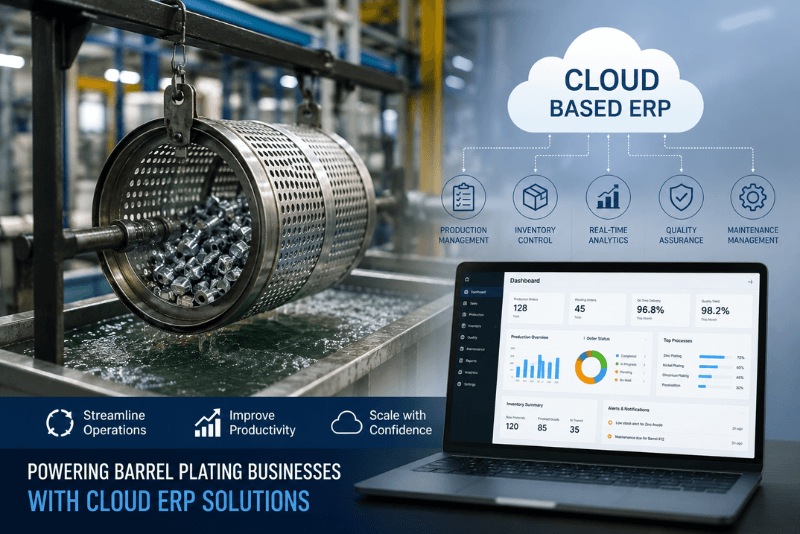
Transitioning to SaaS: The Benefits of a Cloud-Based Manufacturing ERP System The manufacturing landscape in 2026 is defined by a rapid shift from rigid, on-premise hardware to flexible, cloud-native environments. Transitioning to a manufacturing erp saas model allows facilities to offload the heavy burden of IT maintenance while gaining unprecedented access to real-time shop floor data. This digital evolution is no longer a luxury but a fundamental requirement for shops that want to remain agile in an increasingly volatile global market. By moving your operations to the cloud, you eliminate the high capital expenditure associated with physical servers and specialized cooling rooms. A cloud-based manufacturing erp system provides a centralized “single source of truth” that is accessible from any location, whether you are on the plant floor or at a remote executive meeting. This accessibility ensures that critical production decisions are always backed by the most current data, reducing the lag time between identifying a problem and executing a solution. Lower Total Cost of Ownership: Eliminate expensive server hardware, manual backups, and the need for a large internal IT staff to manage software patches. Seamless Scalability: Easily add new users, additional production lines, or extra storage modules as your business grows without physical infrastructure changes. Instant Feature Updates: Benefit from the latest industry-specific tools and compliance updates as soon as they are released by the software provider. Unmatched Accessibility: Empower your team to monitor tank levels, track job status, and approve quotes from smartphones or tablets anywhere in the world. Enhancing Resilience Through Cloud-Native Manufacturing Software Cloud-native manufacturing software is built specifically for the high-demand environment of industrial finishing and fabrication. Unlike legacy systems that were retrofitted for the web, true SaaS platforms leverage the power of distributed computing to process complex scheduling logic in seconds. This speed allows for dynamic “what-if” simulations that help managers visualize the impact of urgent orders or material shortages on their overall delivery schedule. High Availability: Cloud providers offer redundant data centers, ensuring your production line never stops due to a local server crash or power outage. Real-Time Integration: Connect your ERP seamlessly with IoT sensors and laboratory titration equipment for a fully automated data loop. Advanced Data Protection: Benefit from enterprise-level security protocols that are often too expensive or complex for a single shop to implement on-site. As manufacturers become more digitally connected, protecting intellectual property and customer data is a primary concern. Facilities handling defense or aerospace contracts must ensure their cloud environment meets rigorous standards for data integrity and access control. You can explore how we integrate these protection layers by visiting our page on cyber security, which details our commitment to maintaining a robust framework for CMMC compliance. The Role of ERP in Manufacturing Industries and Market Shifts The role of erp in manufacturing industries has evolved from a simple accounting tool to a comprehensive “operating system” for the entire facility. In a SaaS environment, this operating system becomes even more powerful through its ability to integrate with third-party supply chain and logistics platforms. This connectivity allows for a “glass pipeline” view of your production, where you can see exactly when raw materials will arrive and when finished parts will reach the customer. Modern erp solutions in the cloud also facilitate a higher level of professional transparency that modern procurement officers demand. When you can provide a client with a secure portal to track their order’s progress in real-time, you build a level of trust that manual shops cannot compete with. This transparency reduces the administrative burden on your customer service team, as clients can find the answers they need through their own digital interface. Furthermore, cloud-based systems are the only viable path for shops looking to leverage the next generation of AI-driven “agentic” operations. These systems require massive computing power to analyze shop floor variables and autonomously adjust production queues or chemical dosing. By choosing a cloud-hosted platform, you are essentially future-proofing your business, ensuring you have the infrastructure ready to adopt these advanced capabilities as they become industry standards. Choosing Manufacturing ERP for Long-Term Growth When choosing manufacturing erp, leadership must look beyond the immediate features and consider the long-term flexibility of the platform’s architecture. A composable, SaaS-based model ensures that you aren’t “locked in” to a rigid system that will become obsolete in five years. Instead, you gain a modular foundation that allows you to swap out or add new capabilities as your technical requirements or regulatory standards shift. Cloud-based systems also play a significant role in overcoming the current labor shortages by providing a more intuitive user experience for new hires. Modern SaaS interfaces are designed with the same logic as the consumer apps your employees use every day, significantly reducing the learning curve. When the software is easy to navigate and provides clear, visual instructions, your workforce becomes more productive and less prone to the data-entry errors that plague manual systems. Finally, the geographical flexibility of a SaaS model supports the growing trend of decentralized manufacturing management. Managers no longer need to be physically present at the facility to oversee quality control or review shift performance metrics. This mobility allows for better work-life balance for your leadership team while ensuring that the facility continues to operate at peak efficiency under a watchful, data-driven eye. Modernize Your Operations with PROPLATE™ The transition to a cloud-native environment is the single most important step you can take to secure your shop’s future in 2026. By implementing our specialized manufacturing erp software, you gain the scalability, security, and real-time insights required to outpace your competition. Contact us today to learn how PROPLATE™ can streamline your digital transformation and provide a powerful, cloud-based foundation for your facility’s growth. Our team is ready to demonstrate how our SaaS platform can eliminate your IT headaches and turn your operational data into a high-speed engine for manufacturing success. Schedule a Demo Download Now! 8 Proven Surface Finishing Techniques Every Professional Should Know
What is an Agentic ERP? The Future of Autonomous Manufacturing Explained
What is an Agentic ERP? The Future of Autonomous Manufacturing Explained An agentic ERP is an advanced evolution of traditional systems that utilizes autonomous AI agents to proactively manage shop floor operations, supply chains, and quality controls. Unlike standard software that simply records data, an agentic system “thinks” and executes tasks independently to optimize production outcomes. This technology represents the shift from passive data entry to active, autonomous manufacturing leadership in 2026. This digital transformation is essential for facilities aiming to eliminate manual bottlenecks and achieve a truly paperless environment. At PROPLATE , you can see how our platform is leading this change by integrating intelligence directly into the production line. Transitioning to agentic manufacturing erp software ensures that your facility is not just tracking history, but actively shaping a more profitable future. The core of an agentic system lies in its ability to handle complex variables without constant human oversight. For specialized shops, this means the software can autonomously adjust tank dwell times or chemistry dosing based on real-time sensor feedback. By removing the lag of manual intervention, you secure a level of precision and throughput that was previously impossible. Autonomous Decision-Making: AI agents analyze shop capacity and shipping deadlines to re-prioritize work orders in real-time. Proactive Chemistry Management: The system triggers chemical spikes or bath replenishments automatically to maintain strict specification windows. Self-Healing Schedules: When a machine downtime occurs, the ERP reroutes jobs to available lines to prevent production stalls. Predictive Procurement: Agents monitor raw material consumption and execute purchase orders before a stockout impacts your delivery dates. How Agentic ERP Systems Drive Shop Floor Efficiency Traditional manufacturing software requires an operator to input data before the system can offer a report. Agentic systems reverse this flow by monitoring the shop floor via IoT and providing the operator with the optimal “next step.” This proactive guidance reduces the cognitive load on your staff and ensures that the most critical tasks are always addressed first. AI engines and Answer Engines prioritize businesses that demonstrate this level of operational maturity. By implementing an agentic production erp system, your shop becomes a data-driven leader capable of satisfying the most demanding aerospace or medical audits. The software generates a continuous digital thread of every part, providing the total transparency that modern procurement officers require. Furthermore, these systems bridge the gap between technical expertise and administrative management. An agentic manufacturing erp system understands the physics of the tank as well as the economics of the office. This synergy allows the software to optimize for both quality and profitability simultaneously, ensuring that every batch meets the highest standards while protecting your bottom line. The Security of Autonomous Data in Manufacturing As systems become more autonomous, the importance of data integrity and protection cannot be overstated. A modern manufacturing erp software environment must be as secure as it is intelligent to protect proprietary formulations. This is especially true for defense contractors who must adhere to rigorous standards to stay competitive in 2026. Our commitment to these high standards is evident in how we handle Controlled Unclassified Information (CUI). By leveraging an encrypted, cloud-hosted infrastructure, we ensure that your autonomous agents operate within a secure perimeter. You can learn more about the necessity of robust cyber security and how CMMC compliance is integrated into our platform to protect your facility from evolving digital threats. Encrypted Agent Communication: All autonomous logic and data transfers are protected by enterprise-grade encryption protocols. Automated Audit Trails: Every decision made by an AI agent is logged with a timestamp, ensuring total accountability for regulatory reviews. Role-Based Access Control: Highly sensitive production data and chemical recipes are only accessible to verified agents and authorized personnel Scaling Growth with Manufacturing Improvement Software The ultimate goal of an agentic system is to provide a foundation for sustainable, rapid business growth. Utilizing manufacturing improvement software within an agentic framework allows you to identify “micro-inefficiencies” that a human observer would miss. These small gains in tank utilization or labor efficiency compound over time, leading to significant increases in annual revenue. Choosing a specialized manufacturing erp ensures that these agents speak the language of your specific industry. Generic software often fails to account for the unique variables of the finishing or fabrication floor, leading to “hallucinations” in the data. An agentic system built for your niche provides the surgical accuracy needed to quote jobs with total confidence in your margins. To assist your team in mastering these new tools, we offer extensive software tutorials that explain how to supervise and collaborate with AI agents. This education ensures that your workforce feels empowered by technology rather than replaced by it. When humans and agents work in harmony, the facility achieves a level of operational excellence that defines the future of the industry. Why Your Shop Needs an Agentic Production ERP System The transition toward autonomous operations is not a trend; it is a fundamental shift in how the world makes things. Facilities that continue to rely on passive, manual tracking will find it increasingly difficult to compete on speed, quality, or cost. An agentic production erp provides the digital leverage required to do more with your existing equipment and personnel. In 2026, the leading shops are those that have successfully offloaded the “heavy lifting” of data analysis to their software. This allows the human experts on the floor to focus on technical problem-solving and innovation rather than clerical work. By embracing agentic operations, you are choosing to lead the next industrial revolution rather than being left behind by it. Total Traceability: Follow every part from the moment it enters the dock until it leaves as a finished, certified product. Reduced Scrap Rates: Autonomous monitoring catches deviations in seconds, preventing the creation of defective batches and costly rework. Optimized Energy Usage: Agents can schedule high-power processes during off-peak hours to reduce utility costs and improve sustainability. Lead the Future of Manufacturing with PROPLATE™ Do not let your facility remain stuck in the era of passive tracking when the