Comprehensive Guide to Plating Solutions: Elevate Your Metal Finishing

Comprehensive Guide to Plating Solutions: Elevate Your Metal Finishing Introduction: The Art and Science of Plating Plating is a crucial process in the manufacturing and metal finishing industries, providing not only aesthetic appeal but also essential functional properties such as corrosion resistance, electrical conductivity, and wear resistance. Whether it’s for medical devices, aerospace components, or consumer electronics, the right plating solution can make all the difference in performance and longevity. ProPlate®, a leader in innovative plating solutions, offers a range of specialized services that meet the highest industry standards. This blog delves into the intricacies of plating, explores the various types of plating processes available, and highlights how ProPlate® can elevate your metal finishing projects with its cutting-edge solutions. What is Plating? An Overview Plating involves depositing a thin layer of metal onto the surface of a substrate, typically made of metal or plastic, through chemical or electrochemical processes. The purpose of plating can vary—from enhancing the substrate’s appearance to improving its durability, conductivity, or resistance to corrosion. The process begins with thorough surface preparation, ensuring the substrate is clean and free of contaminants. Next, the substrate is immersed in a solution containing metal ions, where it undergoes a chemical reaction or electroplating process to form a uniform metal coating. The final step often involves post-plating treatments, such as polishing or annealing, to achieve the desired finish. Types of Plating Processes There are several types of plating processes, each offering unique benefits depending on the application. ProPlate® specializes in various plating techniques, catering to diverse industries with specific needs. Electroplating: Electroplating is one of the most common plating methods, where an electric current is used to reduce dissolved metal cations onto the substrate. This process is widely used for decorative purposes, corrosion protection, and improving electrical conductivity. Common metals used in electroplating include gold, silver, nickel, and copper. Electroless Plating: Unlike electroplating, electroless plating does not require an electric current. Instead, it relies on a chemical reduction reaction to deposit the metal layer. Electroless plating is particularly useful for achieving uniform coatings on complex geometries and non-conductive materials. ProPlate® offers high-quality electroless nickel plating, known for its excellent wear resistance and corrosion protection. Gold Plating: Gold plating is prized for its excellent conductivity, corrosion resistance, and biocompatibility, making it ideal for medical devices, electronics, and high-reliability applications. ProPlate specializes in selective gold plating, ensuring precision and optimal performance for sensitive components. Silver Plating: Silver plating provides exceptional electrical conductivity, making it a popular choice for electrical connectors, contacts, and RF shielding. Additionally, silver plating offers antimicrobial properties, which are beneficial in medical applications. ProPlate delivers superior silver plating services that meet stringent industry requirements. Nickel Plating: Nickel plating is known for its hardness, wear resistance, and corrosion protection. It is commonly used in automotive, aerospace, and industrial applications. ProPlate® offers both bright nickel and matte nickel finishes, tailored to specific functional and aesthetic needs. Rhodium Plating: Rhodium plating is often used to enhance the appearance and durability of jewelry and decorative items. Rhodium provides a reflective, tarnish-resistant finish that is highly valued in the luxury goods market. ProPlate® ensures a high-quality rhodium finish that enhances both the beauty and longevity of your products. Benefits of Plating The benefits of plating extend beyond mere aesthetics. Depending on the type of plating used, manufacturers can achieve various functional advantages: Corrosion Resistance: Plating provides a protective barrier against environmental factors, preventing rust and corrosion. This is particularly important for components exposed to harsh conditions, such as marine environments or industrial settings. Enhanced Electrical Conductivity: Metals like gold and silver are excellent conductors of electricity, making plated components ideal for use in electronics, connectors, and other electrical applications. Improved Wear Resistance: Harder plating materials, such as nickel, significantly improve the wear resistance of components, extending their service life and reducing maintenance costs. Aesthetic Appeal: Plating can enhance the visual appeal of products, giving them a polished, high-quality finish. This is particularly important in consumer goods, jewelry, and luxury items. Biocompatibility: In medical applications, biocompatible metals like gold and silver are used to plate devices and implants, ensuring they are safe for use in the human body. Thermal and Electrical Insulation: Certain plating processes can provide thermal or electrical insulation, making them suitable for specific industrial applications where these properties are crucial. ProPlate®: Your Partner in Innovative Plating Solutions ProPlate is a leader in the plating industry, known for its commitment to quality, innovation, and customer satisfaction. With decades of experience, ProPlate has developed specialized plating processes that meet the unique demands of various industries, including medical, aerospace, automotive, and electronics. Why Choose ProPlate? Expertise and Innovation: ProPlate® is at the forefront of plating technology, continuously innovating to offer advanced solutions that meet evolving industry standards. Their expertise ensures that every project is executed with precision and excellence. Customized Solutions: ProPlate® understands that every project is unique. They work closely with clients to develop customized plating solutions that align with specific functional and aesthetic requirements. Quality Assurance: Quality is a top priority at ProPlate®. Their state-of-the-art facilities and rigorous quality control processes ensure that every plated component meets the highest standards of durability, performance, and appearance. Sustainability: ProPlate® is committed to environmentally responsible practices. They employ eco-friendly processes and continuously seek ways to minimize waste and reduce the environmental impact of their operations. Applications of ProPlate® Plating Solutions ProPlate® serves a wide range of industries, providing plating solutions that enhance the performance and reliability of critical components. Some of the key applications include: Medical Devices: ProPlate® offers biocompatible plating solutions for medical devices, including catheters, stents, and implants. Their plating processes ensure that medical components meet stringent safety and performance standards. Aerospace and Defense: In the aerospace and defense industries, where reliability and durability are paramount, ProPlate® provides plating solutions that enhance the performance of critical components, such as connectors, fasteners, and sensors. Electronics: ProPlate specializes in plating for electronic components, including connectors, circuit boards, and switches. Their plating solutions improve conductivity, reduce resistance,
Metal Finishing Chemicals Market to Hit $34.4B by 2033: Key Trends & Growth
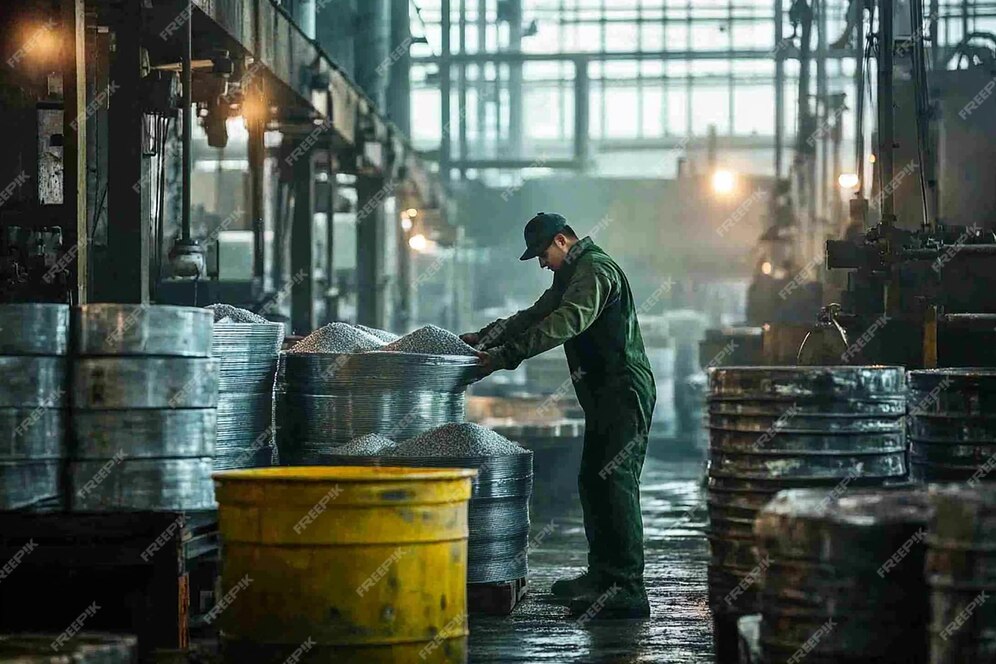
Metal Finishing Chemicals Market to Hit $34.4B by 2033: Key Trends & Growth Introduction: The Expanding Metal Finishing Chemicals Market The metal finishing chemicals market is experiencing significant growth, with projections indicating that it will reach a value of $34.4 billion by 2033. This expansion is driven by a compound annual growth rate (CAGR) of 4.8%, underscoring the increasing demand for metal finishing solutions across various industries. As businesses in sectors such as automotive, aerospace, electronics, and construction continue to evolve, the need for advanced metal finishing chemicals becomes more pronounced. These chemicals play a crucial role in enhancing the durability, aesthetics, and performance of metal products, making them indispensable in modern manufacturing. Understanding Metal Finishing Chemicals Metal finishing chemicals are essential in the process of applying protective or decorative coatings to metal surfaces. These chemicals are used in various finishing processes, including electroplating, anodizing, galvanizing, and chemical conversion, to improve the properties of metal substrates. The benefits of metal finishing include increased corrosion resistance, enhanced conductivity, improved wear resistance, and a more attractive appearance. The metal finishing chemicals market includes a broad range of products such as cleaning agents, conversion coatings, electroplating chemicals, and etchants, all of which are used in different stages of the metal finishing process. Key Growth Drivers in the Metal Finishing Chemicals Market Several factors are fueling the expansion of the metal finishing chemicals market: Surging Demand from the Automotive Industry: The automotive industry remains a key driver of demand for metal finishing chemicals. As manufacturers strive to produce vehicles that are lighter, more durable, and more resistant to corrosion, the need for advanced metal finishing solutions has grown. Additionally, the rise of electric vehicles (EVs) has increased the demand for specific coatings that enhance the performance and longevity of electrical components. Growth in the Electronics Sector: The electronics industry is another major consumer of metal finishing chemicals. With the rapid advancement of electronic devices, there is a growing need for precise and reliable metal finishes that improve conductivity and protect against oxidation. Metal finishing chemicals are used extensively in the production of printed circuit boards (PCBs), connectors, and various electronic components, driving market growth. Expansion of the Aerospace Industry: The aerospace sector demands high-performance metal components that can withstand extreme conditions. Metal finishing chemicals are essential in providing the necessary protective coatings for aerospace parts, ensuring their reliability and safety. As the aerospace industry continues to expand, driven by increasing air travel and defense spending, the demand for metal finishing chemicals is expected to rise. Infrastructure Development and Urbanization: The ongoing development of infrastructure projects, particularly in emerging economies, is boosting the demand for metal finishing chemicals. These chemicals are used to protect and enhance the performance of construction materials such as steel beams, roofing materials, and decorative metal elements. As urbanization continues, the construction industry’s demand for metal finishing chemicals will likely increase. Technological Advancements: Innovations in chemical formulations and application techniques are contributing to the growth of the metal finishing chemicals market. New technologies are enabling the development of more efficient, environmentally friendly, and cost-effective metal finishing solutions. For example, the shift towards eco-friendly, non-toxic chemicals is gaining momentum as manufacturers seek to comply with stringent environmental regulations and meet consumer demand for sustainable products. Trends Shaping the Future of the Metal Finishing Chemicals Market The metal finishing chemicals market is evolving rapidly, with several key trends influencing its future: Sustainability and Eco-Friendly Solutions: Environmental sustainability is becoming increasingly important in the metal finishing industry. There is a growing shift towards eco-friendly chemicals that reduce environmental impact and comply with regulatory requirements. This trend is driving the development of new, greener formulations that offer the same or improved performance as traditional chemicals, without the associated environmental risks. Automation and Digitalization: The adoption of automation and digital technologies is transforming the metal finishing industry. Automated systems for applying metal finishes are improving process efficiency, reducing waste, and ensuring consistent quality. Additionally, digitalization is enabling better monitoring and control of metal finishing processes, leading to improved outcomes and reduced operational costs. Growth in the Asia-Pacific Region: The Asia-Pacific region is emerging as a significant market for metal finishing chemicals, driven by rapid industrialization and the expansion of key industries such as automotive, electronics, and construction. Countries like China, India, and Japan are leading this growth, with increasing investments in manufacturing and infrastructure projects. The region’s expanding middle class and rising consumer demand are also contributing to market expansion. Advancements in Nanotechnology: Nanotechnology is opening new possibilities in the metal finishing chemicals market. The development of nanocoatings offers superior protection against corrosion, wear, and other environmental factors. These coatings are increasingly being used in high-performance applications, particularly in the automotive and aerospace sectors, where enhanced durability and longevity are critical. Focus on Research and Development: Continuous investment in research and development is driving innovation in the metal finishing chemicals market. Manufacturers are developing new formulations and processes that offer improved performance, reduced environmental impact, and lower costs. This focus on R&D is essential for maintaining competitiveness in a rapidly evolving market. Challenges in the Metal Finishing Chemicals Market Despite its growth prospects, the metal finishing chemicals market faces several challenges: Regulatory Compliance: The use of certain chemicals in metal finishing is subject to stringent environmental and safety regulations. Compliance with these regulations can be costly and complex, requiring manufacturers to invest in alternative, eco-friendly solutions. Failure to comply with regulations can result in significant penalties and reputational damage. Volatility in Raw Material Prices: The prices of raw materials used in metal finishing chemicals, such as metals and solvents, can be volatile. Fluctuations in raw material costs can impact the profitability of manufacturers and lead to price increases for end-users. Managing these costs while maintaining product quality and competitiveness is a key challenge in the industry. Intense Competition: The metal finishing chemicals market is highly competitive, with numerous players offering a wide range of products. Differentiating products through innovation, quality, and customer service is essential
Transforming Manufacturing with Modern ERP and SCM Systems

Transforming Manufacturing with Modern ERP and SCM Systems Introduction: The Role of ERP and SCM Systems in Modern Manufacturing In the fast-paced and highly competitive world of manufacturing, businesses must continuously adapt to changing market demands, technological advancements, and supply chain complexities. Enterprise Resource Planning (ERP) and Supply Chain Management (SCM) systems have become essential tools for manufacturers looking to streamline operations, enhance productivity, and maintain a competitive edge. Modern ERP and SCM systems are not just software solutions; they are strategic assets that drive efficiency, agility, and innovation across the entire manufacturing process. Understanding ERP and SCM Systems Enterprise Resource Planning (ERP) Systems: ERP systems are integrated software platforms that manage and automate core business processes, such as finance, human resources, procurement, inventory management, and production. By providing a unified view of these processes, ERP systems enable manufacturers to optimize resource allocation, reduce operational costs, and improve overall efficiency. Supply Chain Management (SCM) Systems: SCM systems focus on the planning, execution, and monitoring of supply chain activities. These systems are designed to manage the flow of goods, information, and finances across the entire supply chain, from raw material sourcing to product delivery. SCM systems help manufacturers ensure that their supply chains are efficient, resilient, and responsive to changes in demand. The Convergence of ERP and SCM: A Holistic Approach Modern manufacturing requires a seamless integration between ERP and SCM systems to achieve optimal performance. The convergence of these systems allows manufacturers to gain end-to-end visibility and control over their operations, from production planning to customer delivery. By integrating ERP and SCM, manufacturers can synchronize production schedules with supply chain activities, ensuring that materials are available when needed and that products are delivered on time. Key Benefits of Modern ERP and SCM Systems in Manufacturing Improved Operational Efficiency: Modern ERP and SCM systems automate routine tasks, reducing manual effort and minimizing errors. By streamlining processes such as order management, inventory control, and production planning, these systems help manufacturers improve efficiency and reduce lead times. This automation also allows employees to focus on more strategic activities, such as innovation and process improvement. Enhanced Decision-Making: One of the most significant advantages of modern ERP and SCM systems is their ability to provide real-time data and analytics. Manufacturers can access up-to-date information on inventory levels, production status, and market demand, enabling them to make informed decisions quickly. This data-driven approach allows manufacturers to optimize production schedules, adjust to changing customer demands, and respond proactively to supply chain disruptions. Greater Supply Chain Visibility: Visibility is crucial for managing complex supply chains. Modern SCM systems provide manufacturers with real-time insights into every aspect of the supply chain, from supplier performance to logistics and transportation. This visibility allows manufacturers to identify potential bottlenecks, mitigate risks, and ensure that the supply chain operates smoothly. By integrating SCM with ERP, manufacturers can align supply chain activities with production goals, ensuring that resources are used efficiently. Increased Agility and Responsiveness: The ability to respond quickly to market changes is essential for manufacturers operating in a dynamic environment. Modern ERP and SCM systems enable manufacturers to be more agile by providing the tools needed to adjust production schedules, manage inventory levels, and reallocate resources in response to changing demand. This agility helps manufacturers reduce waste, minimize stockouts, and improve customer satisfaction. Cost Reduction and Profitability: Cost control is a critical factor in manufacturing profitability. By optimizing resource allocation, reducing waste, and improving supply chain efficiency, modern ERP and SCM systems help manufacturers lower operational costs. These systems also enable manufacturers to implement lean manufacturing principles, further reducing waste and increasing productivity. The result is improved profitability and a stronger competitive position in the market. Enhanced Collaboration and Communication: Modern ERP and SCM systems facilitate collaboration across departments and with external partners. By providing a centralized platform for communication and data sharing, these systems help break down silos and ensure that all stakeholders are aligned with the company’s goals. This collaboration is essential for managing complex supply chains and ensuring that production and logistics activities are coordinated effectively. Compliance and Risk Management: Compliance with industry regulations and managing risks are critical concerns for manufacturers. Modern ERP and SCM systems provide tools for tracking compliance with safety, environmental, and quality standards. These systems also offer risk management features that help manufacturers identify potential risks, assess their impact, and implement mitigation strategies. By ensuring compliance and managing risks proactively, manufacturers can avoid costly penalties and disruptions. Case Studies: The Impact of Modern ERP and SCM Systems A Global Automotive Manufacturer: A leading automotive manufacturer implemented a modern ERP system integrated with its SCM platform to manage its global operations. The integration allowed the company to streamline its production planning and supply chain activities, resulting in a 15% reduction in lead times and a 10% improvement in on-time delivery rates. The system also provided real-time insights into inventory levels, enabling the company to optimize stock levels and reduce carrying costs. A Consumer Electronics Company: A consumer electronics company adopted a modern SCM system to manage its complex global supply chain. The system provided the company with real-time visibility into supplier performance, transportation logistics, and inventory levels. By integrating the SCM system with its existing ERP platform, the company was able to synchronize production schedules with supply chain activities, leading to a 20% reduction in production delays and a 12% decrease in logistics costs. The Future of ERP and SCM Systems in Manufacturing As technology continues to evolve, the capabilities of ERP and SCM systems are expanding. Emerging technologies such as artificial intelligence (AI), machine learning (ML), and the Internet of Things (IoT) are being integrated into these systems, providing manufacturers with even greater levels of automation, predictive analytics, and real-time insights. Artificial Intelligence and Machine Learning: AI and ML are transforming ERP and SCM systems by enabling predictive analytics and decision-making. These technologies allow manufacturers to forecast demand more accurately, optimize production schedules, and identify potential supply chain disruptions before they occur. AI-driven
Maximizing Efficiency with Integrated Manufacturing Software Systems
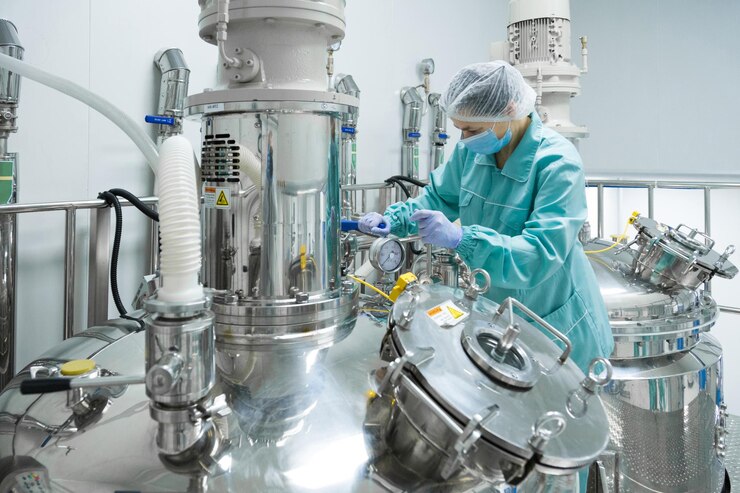
Maximizing Efficiency with Integrated Manufacturing Software Systems Introduction to Integrated Manufacturing Software In today’s competitive landscape, integrated manufacturing software systems have become essential for optimizing operations. Traditionally, manufacturers used separate systems for different processes, leading to inefficiencies and communication breakdowns. The shift to integrated systems has streamlined processes, improved data flow, and significantly enhanced operational efficiency. Integration is now a necessity for manufacturers looking to stay ahead. By connecting various aspects of operations—like supply chain management, production, and product lifecycle management—companies ensure that every part of the process works harmoniously towards common goals. Benefits of Integrated Manufacturing Software Adopting integrated manufacturing software brings several significant advantages: Streamlining Operations: Consolidating various functions into a single system eliminates redundancies, reduces manual work, and improves workflow efficiency. For example, linking inventory management with production scheduling helps better manage resources and reduce lead times. Enhancing Productivity: Real-time data sharing across departments enhances coordination and decision-making. This visibility into operations allows for quick identification of bottlenecks and adjustments, boosting productivity. Reducing Costs and Waste: By optimizing resource use and minimizing errors, integrated software helps cut costs and reduce waste. Improving Decision-Making: Access to accurate, up-to-date data enables managers to make informed decisions swiftly. Integrated systems provide comprehensive reports and analytics that support strategic planning and operational adjustments. Key Components of Integrated Manufacturing Software Integrated manufacturing software typically includes several key components: Enterprise Resource Planning (ERP): ERP systems are central to managing core business processes like finance, HR, procurement, and supply chain operations. Manufacturing Execution Systems (MES): MES focus on executing manufacturing operations efficiently, offering real-time monitoring and control of the production process. Product Lifecycle Management (PLM): PLM systems manage the entire lifecycle of a product, ensuring all departments are aligned and working towards the same product goals. Supply Chain Management (SCM): SCM systems oversee the flow of goods and information across the supply chain, ensuring production schedules align with supply chain capabilities. Enhancing Efficiency Through Integration Integration in manufacturing software boosts efficiency by providing real-time data visibility, automating workflows, and improving communication across departments. Real-time Data Visibility: Integrated systems offer insights into every aspect of the manufacturing process, enabling quick responses to changes in demand or production issues. Improved Workflow Automation: Automating repetitive tasks reduces human error and speeds up production, ensuring tasks are completed consistently and on time. Enhanced Communication: Integrated software facilitates seamless communication between departments, reducing misunderstandings and fostering collaboration. Challenges in Implementing Integrated Systems Implementing integrated manufacturing software can present several challenges: High Initial Costs: The purchase and implementation costs can be significant, particularly for smaller enterprises. However, the long-term savings often justify the investment. Complex Integration: Integrating different systems requires careful planning and expertise to avoid disruptions. Resistance to Change: Employees may resist new technology. Effective change management and training are crucial to overcoming this resistance. Data Migration Issues: Migrating data from legacy systems can be challenging, requiring careful management to ensure a smooth transition. Role of Cloud Technology Cloud technology offers several advantages for manufacturing software: Cloud-based Solutions: These offer greater flexibility and scalability compared to on-premises systems, allowing easy scaling without significant upfront investment in hardware. Data Security: While cloud systems offer many benefits, they also raise concerns about data security, making it crucial to choose providers with robust security measures. Cost-Effectiveness: Cloud-based software operates on a subscription model, which can be more cost-effective than large upfront costs associated with on-premises systems. Case Studies Real-world examples highlight the benefits of integration: Automotive Industry: An integrated system improved production scheduling, reduced lead times, and enhanced quality control. Consumer Electronics: Streamlining supply chain and production processes led to faster time-to-market and reduced costs. Pharmaceuticals: Integration improved compliance with regulatory standards and enhanced product traceability. Future Trends in Integrated Systems Emerging technologies like artificial intelligence (AI), the Internet of Things (IoT), and predictive analytics are shaping the future of integrated manufacturing systems: AI and Machine Learning: These technologies enable predictive maintenance, optimize production schedules, and improve quality control. IoT in Manufacturing: IoT devices provide real-time data, enhancing visibility and enabling proactive maintenance. Predictive Analytics: Using data to forecast potential issues before they occur helps manufacturers address problems proactively, reducing downtime. FAQs 1.What is Integrated Manufacturing Software? A system that unifies various manufacturing processes, like production and supply chain management, into a single platform. 2.How does it improve efficiency? By streamlining operations, enhancing data visibility, automating workflows, and improving communication across departments. 3.What are the costs involved? Costs vary, but long-term benefits often outweigh initial investments. 4.Is it suitable for small businesses? Yes, many solutions are scalable and can be tailored to small business needs. 5. What are the risks of not integrating? Without integration, manufacturers may face inefficiencies, higher costs, and difficulties in maintaining compliance and quality standards. 6. How to choose the best software? Assess specific needs, research vendors, consider scalability and customization, and conduct a cost-benefit analysis. Read More –How to Choose the Right E-Coating System for Your Business About PROPLATE™ PROPLATE™, as your complete surface finishing solution platform, is an engineering marvel crafted to change your operations radically. Altogether, one can admit, due to the numerous features and tools the PROPLATE™ provides its users, that this software is the most efficient and convenient tool to control all stages of surface-making processes. From end-to-end process integration for projects to the easy exchange of information with clients, PROPLATE™ makes businesses capable of fine-tuning their methods to get real-world performance and best-quality outcomes. Whether for a single shop establishment or a huge production company, PROPLATE™ has the features for a successful plate fabrication makeover, ever-improved company services, and a competitive edge in the highly demanding industry of today. Conclusion Integrated manufacturing software systems are powerful tools for maximizing efficiency, reducing costs, and staying competitive. As technology evolves, the potential for further improvements in manufacturing efficiency continues to grow. Schedule a Demo Download Now! 8 Proven Surface Finishing Techniques Every Professional Should Know
The Future of Manufacturing: Cutting-Edge Process Software for Efficiency
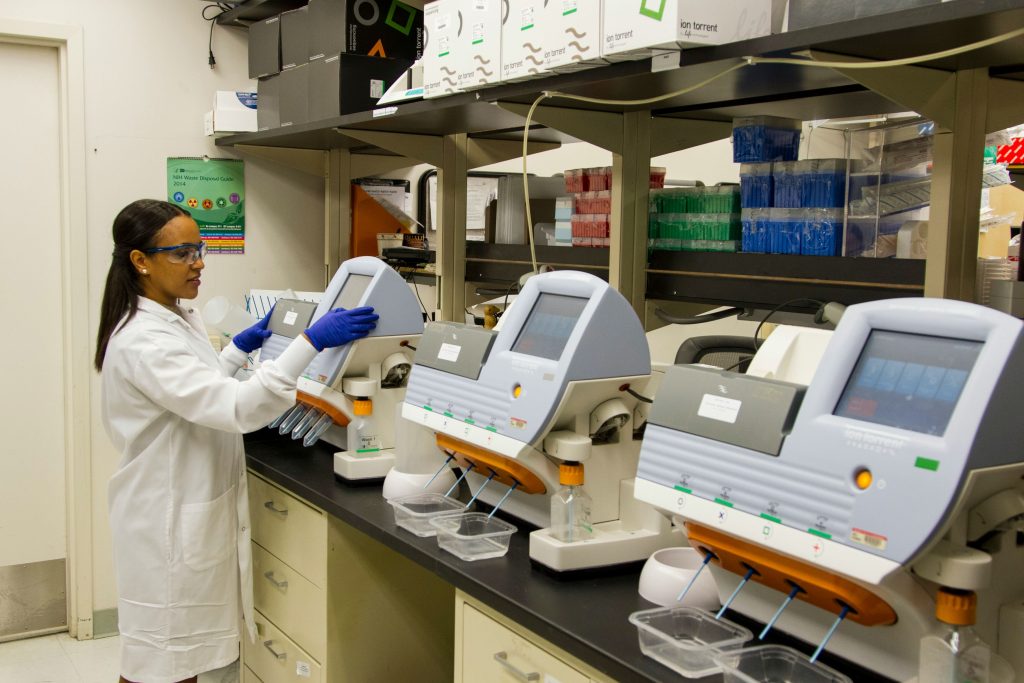
The Future of Manufacturing: Cutting-Edge Process Software for Efficiency The manufacturing industry is rapidly evolving, driven by advanced process software that enhances efficiency and productivity. As competition intensifies and consumer demands grow, manufacturers are adopting these innovative technologies to stay ahead. This software is transforming manufacturing into a smarter, more agile industry capable of adapting to future challenges. The Evolution of Manufacturing Technologies Manufacturing has evolved from manual labor to automation, with the introduction of Computer-Aided Manufacturing (CAM) marking a significant shift. Today, advanced process software is further revolutionizing the industry by integrating with IoT and AI, creating smart factories that are more efficient and responsive. Key Features of Modern Manufacturing Process Software Modern manufacturing process software offers real-time data analytics, enabling manufacturers to monitor production in real-time and make quick adjustments. Integration with IoT allows seamless communication between machines, reducing errors. AI-driven predictive maintenance helps prevent equipment failures, minimizing downtime and extending machinery life. Enhancing Production Efficiency Process software streamlines workflows, allowing repetitive tasks to be automated for greater speed and accuracy. Predictive analytics minimize downtime by forecasting potential issues, while optimized resource allocation ensures efficient use of materials and energy, reducing costs and environmental impact. The Role of AI and Machine Learning in Manufacturing AI and Machine Learning are transforming manufacturing by enabling AI-driven decision-making and improving quality control through ML algorithms. Predictive maintenance powered by ML further enhances efficiency by preventing unplanned downtime and extending equipment lifespan. Data Security and Compliance As manufacturing becomes more digitized, data security and compliance are critical. Advanced process software must protect sensitive information and comply with regulations such as GDPR and ISO standards. Ensuring data integrity and safeguarding intellectual property are essential to maintaining trust and avoiding legal issues. Integrating Process Software with Legacy Systems Integrating new manufacturing technologies with legacy systems can be challenging, but it’s crucial for staying competitive. Careful planning, compatibility assessments, and employee training are key to a successful transition. Change management strategies help overcome resistance and ensure smooth adoption. Impact on Supply Chain Management Process software significantly improves supply chain management by providing real-time inventory tracking, accurate demand forecasting, and better collaboration with suppliers. These capabilities reduce lead times, improve order accuracy, and lower costs, leading to higher customer satisfaction. Environmental Impact Efficient manufacturing software also contributes to sustainability by reducing waste and emissions. Energy management features monitor and optimize resource usage, helping manufacturers lower their carbon footprint. These environmentally-friendly practices align with growing consumer demand for sustainable products. Future Trends in Manufacturing Process Software The future of manufacturing process software includes autonomous factories, blockchain integration, and digital twins. Autonomous factories will minimize human intervention, driving efficiency. Blockchain offers enhanced transparency and security in supply chains, while digital twins allow manufacturers to simulate and optimize processes before implementation. The Role of Human Workers As automation increases, the role of human workers in manufacturing will shift. Rather than performing repetitive tasks, workers will focus on roles requiring critical thinking and problem-solving. Upskilling and continuous learning are essential for workers to adapt to these changes, ensuring they can work effectively alongside advanced technologies. Overcoming Challenges in Adopting New Technologies Adopting new manufacturing technologies involves challenges like cost considerations, cultural shifts, and technical limitations. Conducting thorough ROI analysis, effective change management, and addressing technical challenges are crucial for successful implementation. Investing in training and development also ensures that employees are equipped to navigate the evolving landscape. FAQs 1. How does process software contribute to manufacturing efficiency? It streamlines workflows, reduces downtime, and optimizes resource use for more efficient production. 2. What are the benefits of integrating AI in manufacturing? AI improves decision-making, quality control, and enables predictive maintenance 3. How can manufacturers ensure data security with advanced software? By implementing robust cybersecurity measures and complying with industry regulations. 4. What are the environmental benefits of efficient manufacturing software? It reduces waste, emissions, and optimizes energy use for more sustainable practices. 5. How can companies prepare for the future of manufacturing? By investing in process software, upskilling workers, and adopting new technologies like AI and IoT. Read More –Attract, Train, and Retain: The Tech Approach to Surface Finishing Talent About PROPLATE™ PROPLATE™, as your complete surface finishing solution platform, is an engineering marvel crafted to change your operations radically. Altogether, one can admit, due to the numerous features and tools the PROPLATE™ provides its users, that this software is the most efficient and convenient tool to control all stages of surface-making processes. From end-to-end process integration for projects to the easy exchange of information with clients, PROPLATE™ makes businesses capable of fine-tuning their methods to get real-world performance and best-quality outcomes. Whether for a single shop establishment or a huge production company, PROPLATE™ has the features for a successful plate fabrication makeover, ever-improved company services, and a competitive edge in the highly demanding industry of today. Conclusion Advanced process software is shaping the future of manufacturing by enhancing efficiency, driving innovation, and transforming production processes. By embracing these technologies and overcoming adoption challenges, manufacturers can achieve long-term success and sustainability in a rapidly changing global market. Schedule a Demo Download Now! 8 Proven Surface Finishing Techniques Every Professional Should Know
Why Companies Should Make ERP Security a Top Priority

Why Companies Should Make ERP Security a Top Priority In today’s digital landscape, Enterprise Resource Planning (ERP) systems are essential for integrating and managing a company’s core functions, including finance, human resources, and supply chain operations. However, with their increasing centrality comes heightened security risks. The growing sophistication of cyber threats and the critical nature of the data managed by ERP systems underscore the importance of robust ERP security. Here’s why companies should prioritize ERP security to safeguard their operations and protect their assets. 1.The Importance of ERP Security ERP systems store a vast amount of sensitive information, from financial records to personal employee data. A security breach could lead to unauthorized access to this data, resulting in financial loss, reputational damage, and legal consequences. Ensuring ERP security helps protect this data from breaches and unauthorized access, preserving both company integrity and customer trust. 2. Prevention of Financial Loss A compromised ERP system can lead to substantial financial losses. Cyberattacks such as ransomware or data theft can disrupt business operations, causing downtime and operational inefficiencies. By investing in strong security measures, companies can mitigate the risk of financial loss and ensure continuity in their business processes. 3. Compliance with Regulatory Requirements Many industries are subject to strict regulatory requirements regarding data protection and privacy. Compliance with these regulations often involves implementing robust security measures to protect sensitive information. Ensuring ERP security helps companies meet regulatory requirements, avoid fines, and maintain their standing with regulatory bodies. 4. Safeguarding Business Operations ERP systems are integral to day-to-day business operations. A security breach can disrupt these operations, impacting everything from inventory management to customer service. By securing their ERP systems, companies can maintain smooth and uninterrupted business operations, minimizing the risk of operational disruptions. Key Strategies for Enhancing ERP Security 1. Implement Strong Authentication Mechanisms One of the first lines of defense against unauthorized access is strong authentication. Implementing multi-factor authentication (MFA) and ensuring that passwords are robust and regularly updated can help protect ERP systems from unauthorized access. Regularly Update and Patch Systems Keeping ERP systems up-to-date with the latest security patches and updates is crucial. Software vendors regularly release patches to address known vulnerabilities. Regularly applying these updates can help protect against the latest threats and vulnerabilities. Conduct Regular Security Audits Regular security audits and vulnerability assessments can help identify potential security weaknesses within an ERP system. By conducting these audits, companies can proactively address vulnerabilities and enhance their security posture. 4. Educate Employees Employees play a critical role in maintaining ERP security. Regular training and awareness programs can help employees recognize phishing attempts, avoid suspicious links, and follow best practices for data security. Educated employees are less likely to inadvertently compromise system security. 5. Monitor and Respond to Security Incidents Implementing continuous monitoring tools can help detect and respond to security incidents in real-time. Having an incident response plan in place ensures that any security breaches are quickly addressed and mitigated, minimizing potential damage. FAQs 1. What is ERP security? ERP security involves implementing measures and practices to protect ERP systems from cyber threats, unauthorized access, and data breaches. It includes safeguarding sensitive data, ensuring system integrity, and maintaining operational continuity. 2. Why is ERP security important? ERP security is crucial because ERP systems manage critical business functions and sensitive data. A security breach can lead to financial loss, operational disruptions, and damage to the company’s reputation. Ensuring ERP security helps protect against these risks. What are some common ERP security threats? Common ERP security threats include ransomware, phishing attacks, insider threats, and unauthorized access. These threats can compromise sensitive data, disrupt business operations, and lead to financial losses. How can companies improve ERP security? Companies can improve ERP security by implementing strong authentication mechanisms, regularly updating and patching systems, conducting security audits, educating employees, and monitoring for security incidents. These practices help protect against vulnerabilities and enhance overall security. 5. How often should ERP systems be updated? ERP systems should be updated regularly to ensure they have the latest security patches and fixes. The frequency of updates may vary depending on the vendor’s release schedule and the system’s specific needs, but it is generally recommended to apply updates as soon as they are available. Read More –Attract, Train, and Retain: The Tech Approach to Surface Finishing Talent About PROPLATE™ PROPLATE™, as your complete surface finishing solution platform, is an engineering marvel crafted to change your operations radically. Altogether, one can admit, due to the numerous features and tools the PROPLATE™ provides its users, that this software is the most efficient and convenient tool to control all stages of surface-making processes. From end-to-end process integration for projects to the easy exchange of information with clients, PROPLATE™ makes businesses capable of fine-tuning their methods to get real-world performance and best-quality outcomes. Whether for a single shop establishment or a huge production company, PROPLATE™ has the features for a successful plate fabrication makeover, ever-improved company services, and a competitive edge in the highly demanding industry of today. Conclusion As ERP systems become increasingly integral to business operations, prioritizing ERP security is not just a best practice—it’s a necessity. By protecting sensitive data, preventing financial loss, ensuring regulatory compliance, and safeguarding business operations, companies can secure their ERP systems against the evolving threat landscape. Investing in robust security measures and adopting proactive strategies will help ensure that ERP systems continue to support business success without compromising security. Schedule a Demo Download Now! 8 Proven Surface Finishing Techniques Every Professional Should Know
The Importance of Temperature Control in Heat Treatment
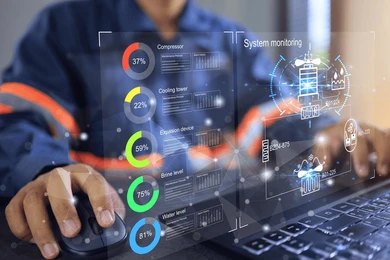
The Importance of Temperature Control in Heat Treatment In the realm of industrial manufacturing, heat treatment stands as a pivotal process that profoundly impacts the properties and performance of materials. The essence of heat treatment lies in its ability to alter the physical and sometimes chemical properties of materials to achieve desired characteristics. Central to the efficacy of heat treatment is temperature control. This comprehensive guide explores the importance of temperature control in heat treatment, delving into its impact on material properties, the techniques employed, and the benefits of precise regulation. Overview of Heat Treatment Definition: Heat treatment is a controlled process used to alter the physical (and sometimes chemical) properties of a material, typically metals and alloys, through heating and cooling. The primary objectives are to improve hardness, strength, ductility, and other mechanical properties. Importance in Various Industries: Heat treatment is essential in industries such as aerospace, automotive, manufacturing, and tool-making. It enhances material performance, ensures durability, and contributes to the overall quality of the final product. History of Heat Treatment Evolution: The history of heat treatment dates back to ancient civilizations where blacksmiths intuitively used fire to harden metals. Over centuries, the process has evolved significantly, incorporating scientific principles and technological advancements. Traditional Methods: Early heat treatment techniques involved basic heating and cooling methods without precise temperature control. Blacksmiths relied on experience and observation to gauge the correct temperatures. Modern Techniques: Today, heat treatment employs sophisticated equipment and precise temperature control mechanisms, ensuring uniformity and consistency in the treated materials. Advances in technology have led to the development of automated systems and real-time monitoring tools. Fundamentals of Temperature Control Principles: Temperature control in heat treatment involves maintaining specific temperatures within a defined range for predetermined periods. This control is crucial for achieving the desired material properties and ensuring process repeatability. Key Factors: Factors influencing temperature control include the type of material, the desired properties, the heating and cooling rates, and the duration of exposure to specific temperatures. Importance: Precise temperature control is vital to prevent overheating or underheating, which can lead to defects, inconsistencies, and compromised material integrity. Types of Heat Treatment Processes Annealing: Annealing involves heating a material to a specific temperature and then cooling it slowly to soften the material, improve ductility, and relieve internal stresses. Quenching: Quenching rapidly cools a material, typically in water or oil, after it has been heated to a high temperature. This process increases hardness and strength. Tempering: Tempering follows quenching and involves reheating the material to a lower temperature, then cooling it again. This process improves toughness and reduces brittleness. Normalizing: Normalizing heats the material to a temperature above its critical range and then allows it to cool in air. This process refines the grain structure and improves mechanical properties. Role of Temperature in Heat Treatment Effects on Material Properties: Temperature significantly impacts the microstructure and mechanical properties of materials. Precise control ensures the formation of desired phases and prevents undesirable transformations. Microstructure: The microstructure of a material determines its mechanical properties. Controlled heating and cooling alter the arrangement of atoms, leading to changes in grain size, phase distribution, and dislocation density. Mechanical Properties: Temperature control affects hardness, strength, ductility, and toughness. Properly controlled heat treatment processes produce materials with optimal mechanical properties for specific applications. Temperature Control Techniques Thermocouples: Thermocouples are widely used for temperature measurement in heat treatment. They consist of two dissimilar metal wires joined at one end, generating a voltage proportional to temperature. Pyrometers: Pyrometers are non-contact devices that measure temperature based on the thermal radiation emitted by an object. They are useful for high-temperature applications and environments where contact measurement is impractical. Infrared Sensors: Infrared sensors detect infrared radiation from an object’s surface, providing accurate temperature readings. These sensors are essential for real-time monitoring and control. Control Systems: Modern heat treatment facilities use advanced control systems, including programmable logic controllers (PLCs) and distributed control systems (DCS), to regulate temperature precisely and automate the process. Impact of Temperature Control on Material Properties Hardness: Precise temperature control during quenching and tempering processes increases material hardness by promoting the formation of hard phases like martensite. Strength: Controlled heating and cooling enhance material strength by refining grain structure and optimizing phase distribution. This is critical for applications requiring high-strength materials. Ductility: Proper temperature control during annealing and normalizing improves ductility by reducing internal stresses and refining grain size, making the material more workable. Toughness: Tempering and other heat treatment processes improve toughness by balancing hardness and ductility, reducing brittleness, and enhancing the material’s ability to absorb energy without fracturing. Common Challenges in Temperature Control Calibration Issues: Inaccurate temperature measurement due to poorly calibrated instruments can lead to inconsistent results and compromised material properties. Equipment Malfunction: Equipment malfunctions, such as faulty thermocouples or control system failures, can disrupt the heat treatment process and result in defective materials. Human Error: Human error in setting temperatures, timing, and monitoring can cause deviations from the desired heat treatment parameters, affecting the final material quality. Advanced Temperature Control Technologies Automation: Automation in temperature control ensures consistent and repeatable heat treatment processes. Automated systems reduce human error and enhance process efficiency. AI Integration: Artificial intelligence (AI) and machine learning algorithms are increasingly used to optimize temperature control. These technologies analyze vast amounts of data to predict and adjust temperatures in real-time. Real-Time Monitoring: Advanced sensors and control systems enable real-time monitoring of temperature, providing immediate feedback and allowing for quick adjustments to maintain optimal conditions. Case Studies of Temperature Control in Heat Treatment Industry Examples: Leading companies in aerospace, automotive, and manufacturing industries have successfully implemented precise temperature control in their heat treatment processes. These examples highlight the benefits of improved material properties and process efficiency. Success Stories: Success stories from companies like Boeing, Ford, and Siemens showcase how advanced temperature control technologies have enhanced product quality, reduced costs, and improved safety. Lessons Learned: Key lessons from these case studies emphasize the importance of investing in reliable temperature control equipment, continuous training for personnel,
The Impact of E-Coating on Product Longevity and Performance

The Impact of E-Coating on Product Longevity and Performance In the world of manufacturing and product development, ensuring the longevity and performance of products is paramount. One method that has gained significant attention for its effectiveness is electrocoating, commonly known as E-coating. This article delves into the impact of E-coating on product longevity and performance, exploring its process, benefits, challenges, and future trends. E-Coating E-coating, or electrocoating, is a method of applying a coating to a product using an electrical current to deposit paint or other substances onto the surface. This technique ensures uniform coverage, providing a protective layer that enhances the product’s durability and performance. Types of E-Coating There are various types of E-coating, including: Cathodic E-Coating: Uses negatively charged particles to deposit the coating. Anodic E-Coating: Utilizes positively charged particles for coating deposition. The E-Coating Process Preparation The preparation phase involves cleaning and pretreating the product’s surface to ensure optimal adhesion of the coating. Application During the application phase, the product is submerged in an E-coating bath where an electrical current is applied, causing the coating material to adhere uniformly to the surface. Curing The curing phase involves baking the coated product in an oven to ensure the coating is fully hardened and bonded to the surface. Benefits of E-Coating Corrosion Resistance One of the primary benefits of E-coating is its ability to provide excellent corrosion resistance, protecting products from rust and degradation. Durability E-coating significantly enhances the durability of products, making them more resistant to physical wear and tear. Uniform Coverage E-coating ensures uniform coverage, even on complex shapes and hard-to-reach areas, providing consistent protection. Environmental Advantages E-coating processes are often more environmentally friendly than other coating methods, using less hazardous materials and producing less waste. Impact on Product Longevity Enhanced Durability E-coating enhances the durability of products by providing a tough, protective layer that withstands various environmental and physical stresses. Resistance to Wear and Tear Products coated with E-coating are more resistant to wear and tear, extending their lifespan and reducing the need for frequent replacements. Protection Against Environmental Factors E-coating provides a barrier against environmental factors such as moisture, chemicals, and UV radiation, preventing premature degradation. Impact on Product Performance Improved Aesthetics E-coating can improve the aesthetics of products by providing a smooth, uniform finish that enhances their visual appeal. Increased Efficiency The protective layer provided by E-coating can increase the efficiency of products by reducing friction and wear, improving their overall performance. Enhanced Functionality E-coating can enhance the functionality of products by providing additional properties such as electrical insulation or thermal resistance. E-Coating in Various Industries Automotive In the automotive industry, E-coating is used to protect vehicle bodies and components from corrosion and wear, ensuring long-term reliability. Electronics E-coating is applied to electronic components to protect them from environmental damage and enhance their performance. Consumer Goods E-coating is used in consumer goods to improve durability and aesthetics, making products more appealing and long-lasting. Industrial Equipment Industrial equipment benefits from E-coating through enhanced protection against harsh operating environments, reducing maintenance costs and downtime. Comparing E-Coating with Other Coating Methods Powder Coating Powder coating is another popular coating method that provides excellent durability and finish. However, E-coating offers better coverage for complex shapes. Liquid Coating Liquid coating is versatile and widely used, but E-coating provides more consistent coverage and environmental benefits. Galvanizing Galvanizing offers excellent corrosion resistance but can be heavier and less visually appealing compared to E-coating. Challenges and Limitations of E-Coating Initial Setup Costs The initial setup costs for E-coating can be high due to the need for specialized equipment and infrastructure. Process Complexity The E-coating process can be complex, requiring careful control of various parameters to ensure optimal results. Material Compatibility E-coating may not be compatible with all materials, limiting its applicability in certain scenarios. Case Studies of E-Coating Applications Notable Examples Several industries have successfully implemented E-coating to enhance product performance and longevity, such as automotive manufacturers and electronics companies. Success Stories Success stories include companies that have reduced warranty claims and improved customer satisfaction by incorporating E-coating into their manufacturing processes. Lessons Learned These case studies offer valuable lessons on the benefits and challenges of E-coating, providing insights for other organizations considering its adoption. Future Trends in E-Coating Technological Advancements Ongoing technological advancements are expected to further improve the efficiency and effectiveness of E-coating processes. Sustainable Practices Sustainability will continue to be a key focus, with the development of eco-friendly E-coating materials and processes. Industry Adoption The adoption of E-coating is expected to grow across various industries as companies recognize its benefits for product longevity and performance. Choosing the Right E-Coating Process Criteria for Selection Choosing the right E-coating process involves evaluating factors such as the type of product, desired properties, and environmental considerations. Customization Options Customization options include selecting specific coating materials and adjusting process parameters to meet unique requirements. Evaluating Performance Evaluating the performance of E-coated products involves assessing their durability, aesthetics, and overall functionality. E-Coating and Environmental Considerations Eco-friendly Alternatives Eco-friendly alternatives to traditional E-coating materials and processes are being developed to reduce environmental impact. Regulatory Compliance Compliance with environmental regulations is essential for E-coating processes, ensuring that they meet legal standards and minimize harmful effects. Reducing Carbon Footprint Efforts to reduce the carbon footprint of E-coating processes include optimizing energy use and minimizing waste. FAQs 1.What is E-coating? E-coating, or electrocoating, is a process of applying a protective coating to a product using an electrical current to deposit the coating material onto the surface. 2.How does E-coating improve product longevity? E-coating improves product longevity by providing a durable, corrosion-resistant layer that protects against environmental and physical damage. 3.Can E-coating be used on all materials? E-coating is compatible with many materials, but not all. The compatibility depends on the material’s conductivity and the specific E-coating process used. 4.What industries benefit the most from E-coating? Industries such as automotive, electronics, consumer goods, and industrial equipment benefit significantly from E-coating due to its protective and aesthetic properties. 5.How does
How Advanced Analytics are Transforming Chemical Processing

How Advanced Analytics are Transforming Chemical Processing In recent years, advanced analytics have become a cornerstone of innovation in various industries, and chemical processing is no exception. These cutting-edge analytical methods and tools are revolutionizing the way chemical processes are designed, monitored, and optimized, leading to significant improvements in efficiency, safety, and sustainability. In this comprehensive guide, we will explore how advanced analytics are transforming chemical processing, providing insights into the key benefits, tools, techniques, and real-world applications. Overview of Advanced Analytics Definition: Advanced analytics refers to a set of sophisticated analytical techniques and tools used to analyze complex data sets. These techniques go beyond traditional data analysis methods, leveraging technologies like machine learning, predictive analytics, and big data to uncover hidden patterns, correlations, and insights. Importance in Industries: In the chemical processing industry, advanced analytics is vital for optimizing production processes, enhancing product quality, ensuring safety, and reducing operational costs. The ability to make data-driven decisions enables companies to stay competitive and responsive to market demands. History of Analytics in Chemical Processing Evolution: The use of analytics in chemical processing has evolved significantly over the decades. Initially, simple statistical methods were employed to monitor processes and ensure quality control. Over time, with the advent of digital technologies and computational power, more sophisticated analytical methods have been developed. Milestones: Key milestones include the introduction of process simulation software in the 1980s, the adoption of real-time data monitoring systems in the 1990s, and the integration of big data and machine learning techniques in the 21st century. Traditional Methods: Traditionally, chemical engineers relied on basic statistical analysis, process control charts, and manual monitoring to ensure optimal operation. While these methods provided valuable insights, they were often limited in scope and reactive in nature. Benefits of Advanced Analytics in Chemical Processing Improved Efficiency: Advanced analytics enable chemical plants to optimize their processes, resulting in higher production efficiency. By analyzing data from various sources, plants can identify bottlenecks, streamline workflows, and reduce cycle times. Safety Enhancements: One of the critical benefits of advanced analytics is the enhancement of safety measures. Predictive analytics can foresee potential hazards, allowing for preventive actions to avoid accidents and ensure the safety of workers and equipment. Cost Savings: By optimizing resource allocation and reducing waste, advanced analytics contribute to significant cost savings. Companies can minimize raw material usage, energy consumption, and maintenance costs, leading to higher profitability. Quality Control: With real-time monitoring and advanced analytical tools, chemical plants can maintain strict quality control standards. Any deviations from the desired product quality can be detected and corrected promptly, ensuring consistent product performance. Key Analytical Tools and Techniques Data Mining: Data mining involves extracting valuable information from large data sets to identify patterns and relationships. In chemical processing, data mining can uncover insights that help optimize processes and improve product quality. Machine Learning: Machine learning algorithms are used to develop predictive models based on historical data. These models can predict outcomes, identify anomalies, and suggest optimal process parameters, enhancing decision-making in chemical processing. Predictive Analytics: Predictive analytics involves using statistical algorithms and machine learning techniques to predict future events. In chemical processing, predictive analytics can forecast equipment failures, production trends, and market demands. Process Simulation: Process simulation tools allow engineers to create digital models of chemical processes. These models can be used to simulate different scenarios, test new process designs, and optimize existing operations without disrupting actual production. Role of Big Data in Chemical Processing Data Collection: The integration of IoT devices and sensors in chemical plants has enabled the collection of vast amounts of data. This data includes information on temperature, pressure, flow rates, and chemical compositions, providing a comprehensive view of the process. Data Storage: Advanced data storage solutions, such as cloud computing, allow for the efficient storage and management of large data sets. These solutions ensure that data is accessible and secure, facilitating seamless data analysis and sharing. Data Analysis: Big data analytics techniques, such as clustering, classification, and regression, are used to analyze the collected data. These techniques help in identifying trends, optimizing processes, and making data-driven decisions. Machine Learning in Chemical Processing Algorithms: Machine learning algorithms, including neural networks, decision trees, and support vector machines, are employed to analyze complex data sets in chemical processing. These algorithms can learn from historical data and make accurate predictions. Applications: Machine learning applications in chemical processing include predictive maintenance, process optimization, quality control, and anomaly detection. These applications help in improving efficiency, reducing downtime, and ensuring product consistency. Case Studies: Several chemical companies have successfully implemented machine learning solutions. For example, BASF uses machine learning to optimize its production processes, resulting in significant cost savings and improved product quality. Predictive Analytics and Maintenance Predictive Maintenance: Predictive maintenance involves using analytics to predict when equipment is likely to fail. This approach allows for proactive maintenance, reducing unplanned downtime and extending the lifespan of machinery. Failure Prevention: By analyzing historical data and monitoring equipment in real-time, predictive analytics can identify early signs of potential failures. This enables timely intervention, preventing costly breakdowns and ensuring continuous operation. Downtime Reduction: Predictive maintenance minimizes downtime by scheduling maintenance activities during planned outages. This ensures that production is not interrupted, maximizing operational efficiency and productivity. Process Optimization with Advanced Analytics Workflow Enhancement: Advanced analytics help in identifying inefficiencies in workflows and suggesting improvements. By optimizing workflows, chemical plants can achieve higher productivity and better resource utilization. Production Maximization: Analytics-driven process optimization enables chemical plants to maximize production output. By fine-tuning process parameters and eliminating bottlenecks, plants can increase their production capacity and meet market demands more effectively. Quality Control and Assurance Real-Time Monitoring: Advanced analytics enable real-time monitoring of chemical processes, ensuring that they operate within the desired parameters. Any deviations from the set parameters are detected and corrected immediately, maintaining product quality. Defect Detection: Analytics tools can identify defects in products early in the production process. This allows for quick corrective actions, reducing waste and ensuring that only high-quality products reach the market.
Energy Efficiency in Chemical Processing: Tips and Strategies

Energy Efficiency in Chemical Processing: Tips and Strategies Energy efficiency is increasingly crucial in chemical processing, as industries face pressure to reduce costs and minimize environmental impact. This blog will explore practical tips and strategies to enhance energy efficiency in chemical processing, focusing on optimizing operations, investing in technology, and fostering a culture of continuous improvement. Importance of Energy Efficiency in Chemical Processing Energy efficiency in chemical processing is vital for several reasons: Cost Reduction: Efficient energy use directly lowers operational costs by minimizing energy waste and optimizing resource utilization. Environmental Impact: Reducing energy consumption helps decrease greenhouse gas emissions, aligning with global sustainability goals and regulatory requirements. Operational Competitiveness: Companies that adopt energy-efficient practices often gain a competitive edge by improving product quality and consistency while reducing production times. Evaluating Current Energy Consumption Before implementing energy-efficient strategies, it is essential to evaluate the current energy consumption patterns within your facility. This involves: Conducting Energy Audits: Perform comprehensive audits to identify areas of high energy use and potential inefficiencies. Collecting Data: Gather data on energy usage across different processes, equipment performance, and operational practices to understand current consumption patterns. Benchmarking: Compare your facility’s energy performance against industry standards to identify gaps and set realistic energy-saving targets. Strategies for Enhancing Energy Efficiency Invest in Energy-Efficient Equipment: Upgrading to energy-efficient pumps, motors, and heating systems can significantly reduce energy consumption. For example, high-efficiency motors can lead to substantial savings in continuous operation scenarios. Optimize Process Design: Streamlining chemical processes can minimize energy use. Techniques such as process intensification and advanced process control can enhance efficiency by reducing the number of steps and energy inputs required. Implement Smart Technologies: Utilizing IoT and automation technologies allows for real-time monitoring and control of energy-intensive processes, leading to more efficient operations. Smart manufacturing technologies can help identify and eliminate energy waste. Enhance Employee Training: Providing training on energy-efficient practices and the importance of energy conservation can empower employees to contribute to energy-saving initiatives. Foster a Culture of Continuous Improvement: Encourage ongoing evaluation and refinement of energy management practices. Implementing a strategic energy management program can help track progress and identify new opportunities for energy savings. Best Practices for Energy Management Regular Maintenance: Ensure that all equipment is well-maintained to operate at peak efficiency. Regular checks can prevent energy losses due to equipment malfunction. Energy Monitoring Systems: Implement real-time energy monitoring systems to track usage and identify anomalies that may indicate inefficiencies. Process Control Optimization: Maintain strict control over production parameters to ensure they remain within optimal ranges, thereby minimizing energy consumption. Read More –Attract, Train, and Retain: The Tech Approach to Surface Finishing Talent About PROPLATE™ PROPLATE™, as your complete surface finishing solution platform, is an engineering marvel crafted to change your operations radically. Altogether, one can admit, due to the numerous features and tools the PROPLATE™ provides its users, that this software is the most efficient and convenient tool to control all stages of surface-making processes. From end-to-end process integration for projects to the easy exchange of information with clients, PROPLATE™ makes businesses capable of fine-tuning their methods to get real-world performance and best-quality outcomes. Whether for a single shop establishment or a huge production company, PROPLATE™ has the features for a successful plate fabrication makeover, ever-improved company services, and a competitive edge in the highly demanding industry of today. Conclusion Energy efficiency is not just a cost-saving measure; it is a critical component of sustainable chemical processing. By evaluating current practices, investing in technology, and fostering a culture of continuous improvement, chemical processing facilities can significantly enhance their energy efficiency. As the industry moves towards a more sustainable future, embracing these strategies will not only improve operational performance but also contribute to a greener planet. Schedule a Demo Download Now! 8 Proven Surface Finishing Techniques Every Professional Should Know