Choosing the Right Plating Process: Factors to Consider
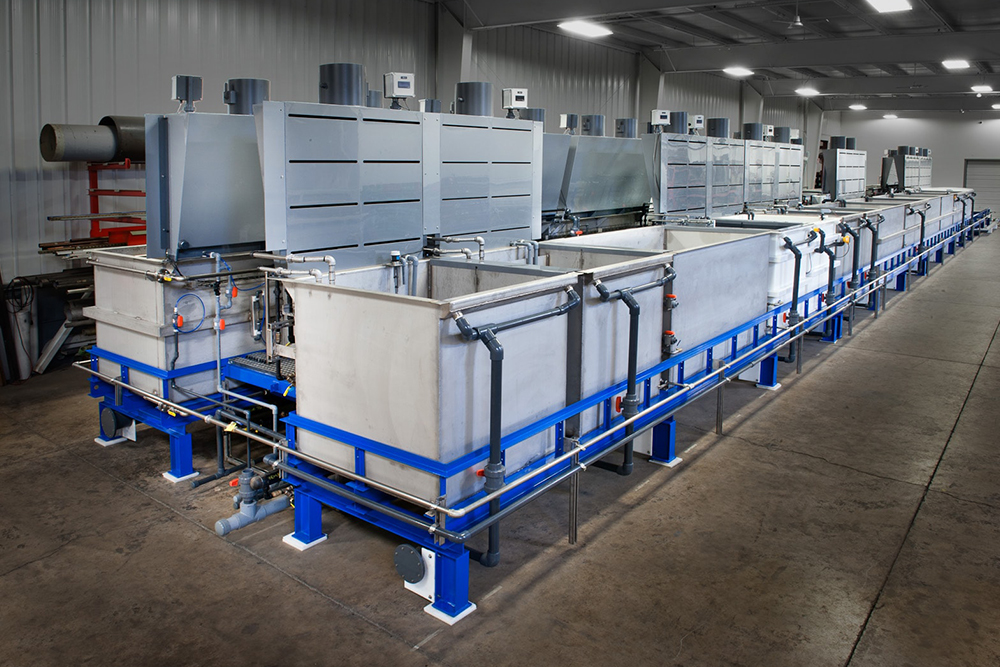
Choosing the Right Plating Process: Factors to Consider for Optimal Results In the manufacturing and surface finishing industries, plating is a crucial process used to enhance the appearance, performance, and durability of materials. From improving corrosion resistance to adding aesthetic appeal, plating plays a vital role in ensuring the quality and longevity of components across industries such as aerospace, automotive, electronics, and healthcare. However, selecting the right plating process is not a one-size-fits-all decision. It requires a deep understanding of various factors such as material compatibility, environmental impact, and the specific requirements of the application. Metal Plating Metal plating is a process that involves depositing a thin layer of metal onto a substrate to enhance its properties. There are two primary methods of plating: electroplating and electroless plating. Electroplating uses an electric current to reduce metal cations from a solution and deposit them onto the substrate. This method is commonly used for metals like gold, silver, nickel, and chromium. Electroless plating, on the other hand, relies on a chemical reaction to deposit metal without the need for an electrical current. This method is advantageous for achieving uniform coatings on complex geometries. Both methods offer distinct benefits and applications, making it essential to choose the right one based on specific project requirements. Key Factors to Consider When Choosing a Plating Process Intended Use of Parts The end application of your plated parts significantly influences the choice of the plating process. For example: Corrosion Resistance Material Compatibility The base material of your components plays a crucial role in determining the appropriate plating method. Some metals bond better with specific coatings: Copper Ensure that the selected plating material is compatible with the substrate to avoid issues like poor adhesion or chemical reactions. Geometry and Design of Parts The shape and configuration of parts affect how evenly the metal coating can be distributed: Complex Shapes Thickness Tolerance Different applications require varying thicknesses of plated coatings: Precision Requirements Pretreatment Conditions Proper surface preparation is essential for successful plating: Cleaning Processes Environmental Considerations Evaluate the environmental impact of your chosen plating process: Waste Management Cost Considerations Budget constraints can influence your choice of plating method: Batch vs. Rack Plating Best Practices for Successful Metal Plating Engage with Experts: Collaborate with experienced plating service providers who can offer insights into the best processes based on your specific needs. Conduct Thorough Testing: Before full-scale production, conduct tests on sample parts to evaluate adhesion, thickness uniformity, and corrosion resistance. Maintain Open Communication: Establish clear lines of communication with your plating provider throughout the process to address any concerns promptly and ensure quality outcomes. Regular Quality Checks: Implement quality control measures at various stages of the plating process to identify potential issues early on. Read More –Transforming Manufacturing with Modern ERP and SCM Systems About PROPLATE™ PROPLATE™, as your complete surface finishing solution platform, is an engineering marvel crafted to change your operations radically. Altogether, one can admit, due to the numerous features and tools the PROPLATE™ provides its users, that this software is the most efficient and convenient tool to control all stages of surface-making processes. From end-to-end process integration for projects to the easy exchange of information with clients, PROPLATE™ makes businesses capable of fine-tuning their methods to get real-world performance and best-quality outcomes. Whether for a single shop establishment or a huge production company, PROPLATE™ has the features for a successful plate fabrication makeover, ever-improved company services, and a competitive edge in the highly demanding industry of today. Conclusion: Choosing the right plating process requires careful consideration of multiple factors, including intended use, material compatibility, geometry, thickness tolerance, pretreatment conditions, environmental impact, and cost considerations. By understanding these elements and collaborating with experienced professionals, you can achieve optimal results that enhance both the performance and aesthetic appeal of your products. Schedule a Demo Download Now! 8 Proven Surface Finishing Techniques Every Professional Should Know
ERP Solutions for Manufacturers: How to Find the Best Fit for Your Business

ERP Solutions for Manufacturers: How to Find the Best Fit for Your Business Choosing the Right ERP for Your Manufacturing Business In today’s fast-paced manufacturing industry, businesses are constantly looking for ways to enhance efficiency, improve production quality, and streamline operations. One of the most effective tools for achieving these goals is an Enterprise Resource Planning (ERP) system. However, with numerous ERP solutions available, choosing the right one for your manufacturing business can be a daunting task. Selecting the best ERP system is critical as it impacts everything from supply chain management to inventory control, production scheduling, and financial operations. The right ERP solution can help manufacturers reduce costs, improve productivity, and scale their operations, while the wrong one can lead to wasted resources and operational inefficiencies. This blog will guide you through the essential factors to consider when choosing the right ERP for your manufacturing business, helping you make an informed decision that aligns with your goals and requirements. Why ERP is Important for Manufacturing Businesses An ERP system integrates all key business processes into one unified platform, giving manufacturers real-time visibility into their operations. This integration streamlines various tasks such as procurement, production, inventory management, quality control, and financial reporting. For manufacturing businesses, an ERP can: Optimize production workflows by ensuring materials are available when needed and equipment is used efficiently. Improve inventory management by tracking raw materials and finished goods in real-time. Enhance decision-making through real-time data and analytics that help managers respond to production issues quickly. Ensure regulatory compliance by automating documentation and quality control measures. The right ERP system simplifies complex manufacturing processes, ultimately leading to reduced lead times, better resource management, and increased profitability. Key Factors to Consider When Choosing an ERP System 1. Industry-Specific Functionality One of the first things to consider when choosing an ERP for your manufacturing business is whether the system is designed to meet the unique needs of your industry. Manufacturing-specific ERPs often come with built-in features such as Bill of Materials (BOM) management, shop floor control, production scheduling, and quality management that are tailored to the specific needs of manufacturers. Look for ERP systems that are proven in your industry and include modules that address your unique operational challenges, such as managing complex supply chains, multi-stage production processes, or regulatory compliance. 2. Scalability and Flexibility As your manufacturing business grows, so will your operational demands. It’s important to select an ERP system that is scalable and can grow with your company. A flexible ERP will allow you to add new functionalities, users, and data as your business evolves, ensuring it continues to meet your needs without requiring a costly system overhaul. Additionally, ensure that the ERP system can adapt to changes in your industry, such as evolving customer demands or new regulatory requirements, without significant disruption. 3. Integration Capabilities Your ERP system should be able to integrate with the other software and tools your business relies on, such as Customer Relationship Management (CRM) systems, Product Lifecycle Management (PLM) tools, or Supply Chain Management (SCM) solutions. Seamless integration ensures that your data flows effortlessly across different departments, avoiding duplication and reducing errors. Furthermore, integrating your ERP system with Internet of Things (IoT) devices on the shop floor can provide real-time insights into machine performance, helping you optimize production and reduce downtime. 4. Ease of Use and Training While ERP systems are powerful, they can also be complex. It’s essential to choose an ERP solution that offers a user-friendly interface and intuitive navigation so your employees can quickly adapt to the system. If the ERP is too difficult to use, it may result in employee resistance, decreased productivity, and improper data entry. Ensure that your ERP vendor offers comprehensive training and support during and after implementation. This will help your staff become proficient with the new system, minimizing disruptions during the transition. 5. Customization and Personalization Every manufacturing business is unique, so it’s important to choose an ERP system that can be customized to suit your specific processes and workflows. Look for an ERP solution that offers the flexibility to tailor reports, dashboards, and user interfaces to match your business requirements. However, be cautious of overly complex customizations. Excessive modification can lead to higher implementation costs, increased maintenance challenges, and difficulty in upgrading the system when new versions are released. 6. Cloud vs. On-Premise Deployment Manufacturing businesses now have the option to choose between cloud-based and on-premise ERP systems. Both deployment options have their pros and cons: Cloud ERP: These solutions are hosted on the vendor’s servers and accessed via the internet. Cloud ERP is generally more cost-effective for smaller manufacturers, offering flexibility, scalability, and reduced IT infrastructure costs. Additionally, cloud ERPs are easier to upgrade and maintain, with vendors handling updates and security. On-Premise ERP: These systems are hosted on your company’s own servers, providing greater control over your data and security. On-premise ERPs are typically preferred by larger manufacturers with in-house IT teams and specific regulatory or security requirements. However, they require significant upfront investment and ongoing maintenance. When choosing between cloud and on-premise, consider your business’s size, budget, and long-term goals. 7. Vendor Reputation and Support The reputation of your ERP vendor is critical. Choose a vendor with a proven track record of success in the manufacturing industry, and make sure they offer reliable support services. Investigate their customer reviews, industry certifications, and the level of post-implementation support they provide. Additionally, ask about the vendor’s roadmap for future updates and innovations. You want to ensure that your ERP partner will continue to evolve their product to meet new challenges and opportunities in the manufacturing sector. 8. Total Cost of Ownership (TCO) Finally, it’s essential to consider the total cost of ownership (TCO) when choosing an ERP system. This includes the upfront costs of software licenses, implementation, and customization, as well as ongoing expenses for training, support, and maintenance. Cloud-based ERP systems typically have lower upfront costs but may involve monthly subscription fees, while on-premise solutions may
The Role of ERP in Modernizing Manufacturing Industry Operations

The Role of ERP in Modernizing Manufacturing Industry Operations In today’s competitive manufacturing landscape, businesses are under pressure to improve efficiency, reduce costs, and deliver high-quality products on time. The rise of Enterprise Resource Planning (ERP) systems has revolutionized how manufacturers manage their operations, providing an integrated solution that streamlines everything from supply chain management to production planning and customer orders. By leveraging ERP systems, manufacturing companies can unify and optimize their processes, leading to better decision-making, enhanced productivity, and ultimately, increased profitability. This article explores how ERP is transforming the manufacturing industry and why it has become essential for staying competitive in the modern market. What is ERP in Manufacturing? ERP (Enterprise Resource Planning) is a comprehensive software system that integrates and automates core business processes, such as procurement, inventory management, production, sales, and finance. In the context of manufacturing, ERP helps coordinate every stage of the production lifecycle, from raw material procurement to final product delivery. The primary goal of ERP in manufacturing is to provide a unified platform where all operational data is accessible in real-time, allowing businesses to manage resources more efficiently and make informed decisions. This integration leads to improved coordination across departments, better inventory control, reduced lead times, and minimized production delays. Key Benefits of ERP in Manufacturing 1. Enhanced Efficiency and Productivity One of the most significant advantages of ERP in manufacturing is its ability to automate repetitive tasks and streamline processes. Whether it’s managing inventory, tracking production schedules, or generating financial reports, ERP systems reduce the need for manual input, saving time and minimizing errors. With automated workflows, manufacturers can ensure that their operations run smoothly, leading to increased productivity and faster response times to market demands. 2. Real-Time Data and Reporting ERP systems offer real-time insights into every aspect of the manufacturing process. By providing up-to-date data on inventory levels, machine performance, and customer orders, manufacturers can quickly identify issues and adjust production schedules accordingly. This real-time visibility also enables better forecasting and demand planning, allowing businesses to optimize their resources and reduce excess inventory. 3. Improved Supply Chain Management Effective supply chain management is critical for any manufacturing business. An ERP system helps manufacturers manage their supply chains by tracking inventory levels, monitoring supplier performance, and ensuring timely deliveries. By integrating supply chain data into one platform, ERP systems provide better control over materials and suppliers, reducing stockouts and delays in production. With better oversight of the supply chain, manufacturers can respond more quickly to disruptions, ensuring that production stays on schedule and customer demands are met. 4. Cost Reduction and Waste Minimization ERP systems help manufacturers reduce operational costs by optimizing resource allocation, minimizing waste, and improving overall efficiency. By providing real-time insights into production processes, ERP allows businesses to identify bottlenecks, reduce downtime, and improve equipment utilization. In addition, by managing inventory more effectively, ERP systems prevent overproduction and excess stock, leading to lower storage costs and reduced waste. 5. Better Quality Control Manufacturers rely on consistent quality to maintain their brand reputation and customer satisfaction. ERP systems play a critical role in quality management by tracking each step of the production process, from raw material inputs to final product inspections. With ERP, manufacturers can ensure that products meet required specifications and standards. The system tracks quality metrics, enabling early detection of issues and preventing defective products from reaching customers. 6. Regulatory Compliance and Reporting Manufacturers must comply with numerous regulations and standards, such as environmental, safety, and industry-specific requirements. ERP systems simplify compliance by automating data collection and ensuring accurate record-keeping. ERP can also generate reports and audits required for regulatory compliance, reducing the administrative burden and helping manufacturers avoid penalties. ERP Modules Commonly Used in Manufacturing ERP systems are highly customizable and can be tailored to meet the unique needs of different manufacturing environments. Below are some of the core modules used in manufacturing ERP solutions: 1. Production Planning and Scheduling This module helps manufacturers manage production workflows by scheduling tasks, allocating resources, and optimizing machine usage. It enables businesses to plan production more accurately, ensuring timely deliveries and efficient resource utilization. 2. Inventory and Materials Management The inventory management module tracks raw materials, work-in-progress (WIP), and finished goods in real-time. It allows manufacturers to maintain optimal inventory levels, reducing the risk of stockouts or overstocking while improving order fulfillment. 3. Supply Chain Management This module integrates with suppliers and vendors to manage procurement, track deliveries, and monitor supplier performance. With real-time data, manufacturers can manage their supply chains more effectively, reducing lead times and costs. 4. Financial Management Financial management modules handle accounting, budgeting, and financial reporting. In manufacturing, this module is vital for tracking costs associated with production, labor, and inventory, providing insights into profitability and cost-saving opportunities. 5. Quality Management The quality management module ensures that manufacturing processes meet industry standards and product specifications. It tracks quality metrics at every stage of production, helping manufacturers identify defects early and implement corrective actions. 6. Maintenance Management To ensure that machinery and equipment are running efficiently, the maintenance management module schedules preventive maintenance, tracks repairs, and monitors asset performance. This helps reduce downtime and extends the lifespan of critical equipment. Challenges of Implementing ERP in Manufacturing While the benefits of ERP are undeniable, implementing an ERP system can be challenging, particularly for manufacturing companies that have not used integrated software before. Common challenges include: Cost and Complexity: ERP systems can be expensive and complex to implement, especially for small and medium-sized manufacturers. The costs include software, hardware, training, and ongoing maintenance. Change Management: Transitioning to an ERP system often requires significant changes to existing processes and workflows. Employee resistance or a lack of proper training can hinder successful adoption. Data Migration: Migrating data from legacy systems to an ERP platform can be difficult, particularly if data is incomplete or inconsistent. How to Successfully Implement ERP in Manufacturing To successfully implement an ERP system, manufacturers should follow these key steps: Assess Your Needs: Conduct a
Choosing the Right ERP for Surface Finishing: Why PROPLATE™ Stands Out

Choosing the Right ERP for Surface Finishing: Why PROPLATE™ Stands Out In the fast-paced world of surface finishing, staying efficient, scalable, and profitable requires choosing the right ERP (Enterprise Resource Planning) system. The right ERP can streamline operations, reduce downtime, and provide invaluable insights into every aspect of your business. But how do you know which one is the best fit for your surface finishing operations? That’s where PROPLATE™ comes in—a leading ERP solution specifically designed to meet the unique demands of the surface finishing industry. Why Choosing the Right ERP Matters The surface finishing industry is filled with complex processes like plating, coating, polishing, and more. Each of these requires careful management, real-time data tracking, and accurate reporting to ensure top-tier quality, compliance, and efficiency. A generalized ERP may not have the specialized features necessary to handle these industry-specific needs, leading to operational inefficiencies, errors, and ultimately, lost revenue. Choosing an ERP designed specifically for surface finishing, like PROPLATE™, ensures your system can handle the demands of your business seamlessly. What Makes PROPLATE™ the Best ERP for Surface Finishing? PROPLATE™ stands out from the competition because it’s engineered with the unique challenges of the surface finishing industry in mind. Here’s why PROPLATE™ is the right choice for your business: Industry-Specific Features: Unlike generic ERP systems, PROPLATE™ is packed with features designed specifically for surface finishing companies. It helps you manage every stage of your finishing process, from pre-treatment to final quality inspection, ensuring every job meets industry standards and customer expectations. Real-Time Data & Analytics: The ability to access real-time data on production runs, equipment efficiency, and inventory levels is a game-changer in the surface finishing world. PROPLATE™ allows you to track key performance indicators, helping you optimize processes and reduce costs. Compliance & Quality Control: Surface finishing businesses often need to comply with strict environmental regulations and quality standards. PROPLATE™ provides built-in tools to help you stay compliant, track audits, and maintain quality control without additional manual input. Scalability: As your business grows, so do your ERP needs. PROPLATE™ is scalable, allowing your system to grow with your operations, whether you’re expanding production lines, opening new facilities, or diversifying services. Seamless Integration: PROPLATE™ easily integrates with your existing systems and machinery, ensuring minimal disruption during setup and allowing your operations to run smoothly. It also supports third-party integrations, offering flexibility as your tech stack evolves. Comprehensive Customer Support: PROPLATE™ offers tailored customer support, with a team that understands the nuances of surface finishing. From implementation to troubleshooting, you’ll have experts on hand to guide you through any challenges. PROPLATE™: Featured on Finishing & Coating Keeping up with the latest industry news is critical for staying competitive, and we’re excited to announce that PROPLATE™ has been featured on Finishing & Coating, a leading resource for surface finishing updates and trends. This listing highlights our commitment to delivering top-tier solutions for businesses in the surface finishing industry. Head over to Finishing & Coating to learn more about PROPLATE™ and discover how we can help your business thrive. The Right ERP = The Right Results In the surface finishing industry, the choice of ERP can be the difference between streamlined success and costly inefficiencies. PROPLATE™ is designed to meet the specific needs of surface finishers, offering advanced features, scalability, and the support you need to stay ahead in this ever-evolving industry. Choose PROPLATE™—the ERP system that truly understands your industry’s unique needs and sets your business up for success. Let PROPLATE™ be the foundation of your future growth. Contact us today to schedule a demo and see how we can help your surface finishing operations run smoother than ever. Read More –Transforming Manufacturing with Modern ERP and SCM Systems About PROPLATE™ PROPLATE™, as your complete surface finishing solution platform, is an engineering marvel crafted to change your operations radically. Altogether, one can admit, due to the numerous features and tools the PROPLATE™ provides its users, that this software is the most efficient and convenient tool to control all stages of surface-making processes. From end-to-end process integration for projects to the easy exchange of information with clients, PROPLATE™ makes businesses capable of fine-tuning their methods to get real-world performance and best-quality outcomes. Whether for a single shop establishment or a huge production company, PROPLATE™ has the features for a successful plate fabrication makeover, ever-improved company services, and a competitive edge in the highly demanding industry of today. Schedule a Demo Download Now! 8 Proven Surface Finishing Techniques Every Professional Should Know
E-Coating with Digital Solutions: Elevating Efficiency, Quality, and Profitability

E-Coating with Digital Solutions: Elevating Efficiency, Quality, and Profitability In today’s fast-paced industrial landscape, manufacturers are constantly seeking ways to optimize their processes, enhance product quality, and drive profitability. E-coating, a revolutionary coating technology, has emerged as a game-changer in the industry. By integrating digital solutions with e-coating, manufacturers can unlock unprecedented levels of efficiency, quality, and cost-effectiveness. In this blog post, we’ll explore how e-coating combined with digital technologies can transform your manufacturing operations. Streamlining Workflows with Digital Integration One of the key advantages of integrating digital solutions with e-coating is the ability to streamline workflows and enhance productivity. By leveraging automation and data-driven insights, manufacturers can optimize every stage of the e-coating process, from part preparation to final inspection. Digital integration enables real-time monitoring, predictive maintenance, and automated process control, reducing downtime and ensuring consistent quality. Elevating Quality Standards with AI and Machine Learning Ensuring consistent quality is paramount in the manufacturing industry, and e-coating with digital solutions takes quality control to new heights. By incorporating artificial intelligence (AI) and machine learning (ML) algorithms, manufacturers can achieve superior color matching, precise film thickness control, and enhanced defect detection. AI-powered systems can analyze vast amounts of data from sensors and cameras, identifying patterns and anomalies that would be difficult for human operators to detect. This enables proactive quality control measures, reducing the risk of defects and ensuring that every coated part meets the highest standards. Boosting Profitability through Efficiency and Cost Savings In today’s competitive market, profitability is a key concern for manufacturers. E-coating with digital solutions offers a path to increased profitability by optimizing efficiency and reducing costs. Digital integration enables real-time process optimization, minimizing material waste, energy consumption, and labor requirements. By leveraging data analytics and predictive maintenance, manufacturers can identify areas for improvement, optimize resource allocation, and reduce operational expenses. Additionally, the enhanced quality and consistency achieved through digital integration can lead to reduced rework, scrap, and warranty costs, further boosting profitability. Embracing the Future of Manufacturing with E-Coating and Digital Solutions As the manufacturing industry continues to evolve, embracing e-coating with digital solutions is crucial for staying ahead of the curve. By integrating cutting-edge technologies like AI, ML, and automation, manufacturers can position themselves as leaders in their respective industries. Digital integration not only enhances efficiency and quality but also enables manufacturers to adapt quickly to changing market demands and customer preferences. With real-time data insights and agile production capabilities, companies can respond swiftly to new opportunities and stay ahead of the competition. Moreover, the adoption of e-coating with digital solutions aligns with the growing emphasis on sustainability in manufacturing. The reduced material waste, energy consumption, and emissions associated with e-coating contribute to a more eco-friendly production landscape. Read More –Transforming Manufacturing with Modern ERP and SCM Systems About PROPLATE™ PROPLATE™, as your complete surface finishing solution platform, is an engineering marvel crafted to change your operations radically. Altogether, one can admit, due to the numerous features and tools the PROPLATE™ provides its users, that this software is the most efficient and convenient tool to control all stages of surface-making processes. From end-to-end process integration for projects to the easy exchange of information with clients, PROPLATE™ makes businesses capable of fine-tuning their methods to get real-world performance and best-quality outcomes. Whether for a single shop establishment or a huge production company, PROPLATE™ has the features for a successful plate fabrication makeover, ever-improved company services, and a competitive edge in the highly demanding industry of today. Conclusion E-coating with digital solutions represents the future of manufacturing, offering a path to enhanced efficiency, quality, and profitability. By integrating cutting-edge technologies like AI, ML, and automation, manufacturers can streamline workflows, elevate quality standards, and boost their bottom line. As the industry continues to evolve, embracing e-coating with digital solutions is a strategic move that will position companies for long-term success in the ever-changing manufacturing landscape. FAQs 1. What are the key benefits of integrating digital solutions with e-coating? Streamlined workflows and enhanced productivity Elevated quality standards through AI and machine learning Increased profitability due to efficiency and cost savings 2. How does AI and machine learning enhance quality control in e-coating? Enables superior color matching and precise film thickness control Improves defect detection through real-time data analysis and pattern recognition Allows for proactive quality control measures to reduce defects 3.Can e-coating with digital solutions help manufacturers adapt to changing market demands? Yes, digital integration enables real-time data insights and agile production capabilities Manufacturers can respond quickly to new opportunities and stay ahead of the competition Adaptability is crucial in today’s fast-paced and ever-changing manufacturing landscape 4.How does e-coating with digital solutions contribute to sustainability in manufacturing? Reduced material waste, energy consumption, and emissions Aligns with the growing emphasis on eco-friendly production practices Demonstrates a commitment to environmental responsibility and sustainability 5.What industries can benefit from e-coating with digital solutions? Automotive Appliances Electronics Heavy equipment Aerospace Industrial coatings Schedule a Demo Download Now! 8 Proven Surface Finishing Techniques Every Professional Should Know
Revolutionizing Manufacturing: The Role of Innovative ERP Systems

Revolutionizing Manufacturing: The Role of Innovative ERP Systems The manufacturing industry is on the cusp of a significant transformation. As traditional methods give way to new, innovative approaches, the role of Enterprise Resource Planning (ERP) systems is becoming increasingly pivotal. This evolution is not just about integrating technology but redefining how manufacturers operate, compete, and grow in a rapidly changing market. The Manufacturing Landscape: A Turning Point Manufacturing has long been a cornerstone of the global economy, but it faces unprecedented challenges today. From supply chain disruptions to increasing customer demands for customization and faster delivery, manufacturers are under immense pressure to adapt. This pressure has led to a critical need for advanced solutions that can streamline operations and provide deeper insights. The Next-Generation ERP Systems: Key Features and Benefits The new breed of ERP systems is designed to address these challenges head-on. Unlike traditional ERP solutions, which often struggle to keep up with the complexities of modern manufacturing, these advanced systems offer several key features and benefits that make them indispensable. 1. Enhanced Integration and Connectivity One of the most significant advancements in ERP technology is improved integration capabilities. Modern ERP systems are designed to seamlessly connect with other business systems and technologies. This connectivity ensures that data flows smoothly across the organization, reducing errors and enabling real-time decision-making. For manufacturers, this means better coordination between production, inventory, and supply chain management. 2. Advanced Data Analytics and Reporting Data is a crucial asset in today’s manufacturing environment. Advanced ERP systems come equipped with sophisticated analytics and reporting tools that provide actionable insights. These tools help manufacturers monitor performance metrics, predict trends, and make data-driven decisions. By leveraging these insights, manufacturers can optimize operations, reduce costs, and improve product quality. 3. Improved Flexibility and Scalability The modern manufacturing landscape demands flexibility. ERP systems now offer modular designs and scalable solutions that can grow with the business. Whether a manufacturer is expanding its product line or entering new markets, these systems can be customized to meet evolving needs without significant overhauls. 4. Enhanced User Experience User experience has become a critical factor in ERP adoption. Next-generation systems are designed with intuitive interfaces and user-friendly features that make them easier to navigate. This improved user experience reduces training time and increases overall efficiency, allowing employees to focus on more strategic tasks. 5. Greater Agility and Responsiveness In a fast-paced market, agility is key. Modern ERP systems are built to be agile, enabling manufacturers to quickly adapt to changes in demand, supply chain disruptions, or new market opportunities. This agility is essential for staying competitive and meeting customer expectations in a dynamic environment. Transforming Challenges into Opportunities The integration of advanced ERP systems is not just about overcoming challenges but also about seizing new opportunities. By adopting these innovative solutions, manufacturers can transform their operations, enhance their competitive edge, and drive growth. The shift towards next-generation ERP systems represents a significant turning point in the manufacturing industry, offering a pathway to greater efficiency, agility, and success. Read More – Metal Finishing Chemicals Market to Hit $34.4B by 2033: Key Trends & Growth About PROPLATE™ PROPLATE™, as your complete surface finishing solution platform, is an engineering marvel crafted to change your operations radically. Altogether, one can admit, due to the numerous features and tools the PROPLATE™ provides its users, that this software is the most efficient and convenient tool to control all stages of surface-making processes. From end-to-end process integration for projects to the easy exchange of information with clients, PROPLATE™ makes businesses capable of fine-tuning their methods to get real-world performance and best-quality outcomes. Whether for a single shop establishment or a huge production company, PROPLATE™ has the features for a successful plate fabrication makeover, ever-improved company services, and a competitive edge in the highly demanding industry of today. Conclusion As the manufacturing industry continues to evolve, the role of ERP systems becomes increasingly critical. The next-generation solutions offer a range of benefits that address current challenges and position manufacturers for future success. By embracing these advancements, manufacturers can not only navigate the complexities of the modern market but also thrive in it. The future of manufacturing is here, and it is powered by innovative ERP technology. Schedule a Demo Download Now! 8 Proven Surface Finishing Techniques Every Professional Should Know
Transform Your Chemical Processing: Embrace Digitalization for Precision and Profitability
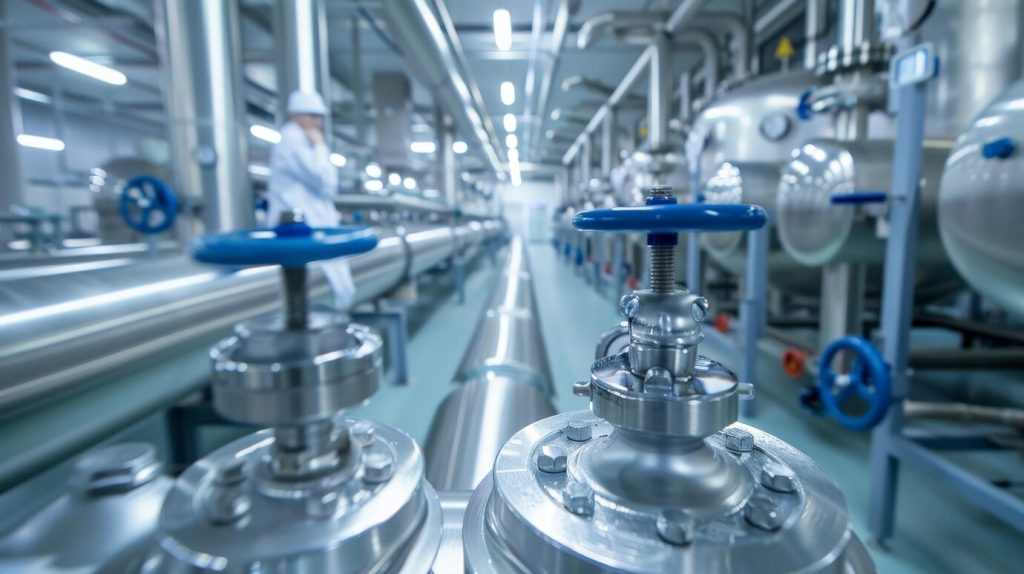
Transform Your Chemical Processing: Embrace Digitalization for Precision and Profitability Introduction In the ever-evolving landscape of the chemical industry, digital transformation is not just a trend; it’s a necessity. Companies are shifting from traditional paper-based processes to digital solutions that enhance precision, elevate quality standards, and ultimately boost profitability. This blog explores how embracing digitalization can streamline workflows, optimize results, and position your organization for success in a competitive market. Shift from Paper to Precision The chemical processing industry has long relied on paper-based systems for documentation and data management. However, these outdated methods are prone to errors, inefficiencies, and delays. Transitioning to digital solutions allows for real-time data capture, analysis, and reporting. Benefits of Digital Documentation: Accuracy: Digital records reduce human error associated with manual data entry. Accessibility: Information can be accessed instantly from anywhere, facilitating better decision-making. Compliance: Digital systems can automatically generate reports required for regulatory compliance, simplifying audits. By shifting from paper to precision, chemical manufacturers can enhance operational efficiency and ensure that critical data is always at their fingertips. Elevate Your Profits through Digital Solutions Profitability in the chemical industry hinges on efficient operations and effective resource management. Digital solutions provide the tools necessary to optimize processes, reduce waste, and lower costs. Key Strategies for Profit Maximization: Predictive Maintenance: Utilizing AI and machine learning to anticipate equipment failures can significantly reduce downtime and maintenance costs. Process Optimization: Advanced analytics can identify inefficiencies in production, allowing for adjustments that enhance throughput and reduce energy consumption. Supply Chain Management: Digital tools enable better inventory tracking and demand forecasting, minimizing excess stock and ensuring timely delivery. By adopting these strategies, chemical manufacturers can not only cut costs but also improve their bottom line, making a significant impact on overall profitability. Efficient Workflows for Optimal Results Digital transformation fosters efficient workflows by automating repetitive tasks and streamlining processes. This leads to faster production cycles and improved product quality. Elements of Streamlined Workflows: Automation: Implementing robotic process automation (RPA) can handle routine tasks, freeing up human resources for more complex activities. Integrated Systems: Using cloud-based platforms allows for seamless communication between departments, ensuring that everyone is on the same page and reducing delays. Real-Time Monitoring: IoT devices can provide continuous monitoring of processes, enabling immediate adjustments to maintain optimal conditions. These improvements not only enhance productivity but also lead to higher quality products, as consistent monitoring and automation reduce the likelihood of defects. Embrace Digitalization for Enhanced Systems The shift towards digitalization is about more than just adopting new technologies; it’s about creating an ecosystem that supports innovation and growth. Steps to Successful Digital Transformation: Assessment: Conduct a thorough analysis of existing processes to identify areas for improvement. Strategy Development: Create a roadmap that outlines clear objectives and measurable goals for digital adoption. Implementation: Integrate digital tools gradually, starting with pilot programs to test their effectiveness before full-scale deployment. Training: Invest in employee training to ensure that staff are comfortable and proficient with new technologies. By following these steps, chemical companies can successfully transition to a more digital and efficient operational model. Elevate Quality Standards with AI and Data Analytics Quality control is paramount in the chemical industry, where even minor deviations can lead to significant issues. Digital solutions, particularly AI and data analytics, can elevate quality standards beyond traditional methods. How AI Enhances Quality Control: Anomaly Detection: AI systems can analyze production data in real-time, identifying deviations from established norms that may indicate quality issues. Predictive Quality: Machine learning algorithms can predict potential quality failures before they occur, allowing for proactive measures to be taken. Enhanced Formulation: AI can assist in developing new formulations by analyzing historical data and suggesting optimal combinations of materials. These advancements not only ensure that products meet stringent quality standards but also foster continuous improvement in manufacturing processes. Read More – Metal Finishing Chemicals Market to Hit $34.4B by 2033: Key Trends & Growth About PROPLATE™ PROPLATE™, as your complete surface finishing solution platform, is an engineering marvel crafted to change your operations radically. Altogether, one can admit, due to the numerous features and tools the PROPLATE™ provides its users, that this software is the most efficient and convenient tool to control all stages of surface-making processes. From end-to-end process integration for projects to the easy exchange of information with clients, PROPLATE™ makes businesses capable of fine-tuning their methods to get real-world performance and best-quality outcomes. Whether for a single shop establishment or a huge production company, PROPLATE™ has the features for a successful plate fabrication makeover, ever-improved company services, and a competitive edge in the highly demanding industry of today. Conclusion The transformation of chemical processing through digitalization is essential for companies aiming to thrive in a competitive landscape. By shifting from paper to precision, elevating profits, streamlining workflows, and enhancing quality standards, organizations can position themselves for long-term success. Embracing digital solutions is not just an investment in technology; it is an investment in the future of your business. FAQs What are the key benefits of digital transformation in chemical processing? Increased accuracy and accessibility of data, improved compliance, enhanced operational efficiency, and reduced costs. 2.How can predictive maintenance impact profitability? By anticipating equipment failures, predictive maintenance reduces downtime and maintenance costs, leading to higher productivity and lower operational expenses. 3.What role does AI play in quality control? AI enhances quality control through anomaly detection, predictive quality measures, and improved formulation processes, ensuring consistent product quality. 4. What steps should companies take to implement digital transformation? Companies should assess current processes, develop a strategic roadmap, implement digital tools gradually, and invest in employee training. 5.How does digitalization contribute to sustainability in the chemical industry? Digital tools optimize resource usage, reduce waste, and enhance energy efficiency, contributing to more sustainable manufacturing practices. Schedule a Demo Download Now! 8 Proven Surface Finishing Techniques Every Professional Should Know
Maximizing E-Coating Efficiency with Advanced Digital Technologies

Maximizing E-Coating Efficiency with Advanced Digital Technologies The integration of advanced digital technologies into the E-coating process is revolutionizing manufacturing efficiency and product quality across various industries. E-coating, or electrodeposition coating, is a widely used method for applying protective and decorative coatings to metal substrates. This article explores how digital transformation enhances E-coating efficiency through improved monitoring, predictive analytics, and automation. The Role of Digital Transformation in E-Coating Digital transformation (DX) refers to the integration of digital technologies into all aspects of a business, fundamentally changing operations and value delivery. In E-coating, DX introduces precision and control, utilizing technologies such as the Internet of Things (IoT), machine learning, and big data analytics to optimize the coating process. The process begins with thorough surface preparation, ensuring the substrate is clean and free of contaminants. Next, the substrate is immersed in a solution containing metal ions, where it undergoes a chemical reaction or electroplating process to form a uniform metal coating. The final step often involves post-plating treatments, such as polishing or annealing, to achieve the desired finish. Enhanced Monitoring and Control One of the key benefits of digital technologies in E-coating is the enhanced ability to monitor and control production parameters. IoT sensors can collect real-time data on critical factors such as temperature, voltage, and pH levels. This data can be visualized on dashboards, allowing operators to maintain optimal conditions and quickly respond to any deviations, thus ensuring consistent coating quality. Predictive Analytics for Quality Assurance Predictive analytics plays a crucial role in maintaining high-quality coatings. By analyzing historical data, machine learning algorithms can identify patterns that indicate potential equipment failures or quality issues. This proactive approach enables manufacturers to perform maintenance before breakdowns occur, minimizing downtime and ensuring a steady production rate. Optimizing Production Efficiency The introduction of digital technologies not only enhances quality but also maximizes production efficiency. Resource Utilization and Waste Reduction Real-time monitoring allows manufacturers to optimize resource use, including raw materials and energy. For instance, IoT devices can signal when the coating bath needs replenishment, reducing waste and ensuring that resources are used effectively. This optimization leads to substantial cost savings and improved sustainability. Automation and Speed Automation is another significant advantage of digital transformation in E-coating. Robotic systems can perform tasks such as immersing and removing parts from the coating bath more quickly and accurately than human operators. This automation streamlines workflow management, significantly reducing production time and enhancing throughput. Sustainability and Compliance Sustainability is increasingly important in manufacturing, and digital technologies contribute significantly to sustainable practices in E-coating. Energy Efficiency Advanced systems can monitor energy consumption in real time, identifying areas for improvement. For example, adjusting power supplied to the coating bath based on real-time data can lead to significant energy savings without compromising coating quality. Regulatory Compliance Digital systems can also help ensure compliance with environmental and safety regulations. Real-time monitoring of emissions and waste products allows manufacturers to maintain operations within permissible limits, while automated compliance reporting reduces administrative burdens. Challenges and Solutions Despite the numerous advantages, implementing digital technologies in E-coating can present challenges, such as coating defects and limited material compatibility. However, these issues can be mitigated through: Optimizing Pre-Treatment: Ensuring thorough cleaning and pre-treatment of metal substrates to enhance adhesion. Maintaining Bath Chemistry: Regular monitoring and adjustment of bath parameters to optimize coating performance. Implementing Quality Control: Establishing robust quality control programs to monitor coating performance and identify areas for improvement. Read More – Metal Finishing Chemicals Market to Hit $34.4B by 2033: Key Trends & Growth About PROPLATE™ PROPLATE™, as your complete surface finishing solution platform, is an engineering marvel crafted to change your operations radically. Altogether, one can admit, due to the numerous features and tools the PROPLATE™ provides its users, that this software is the most efficient and convenient tool to control all stages of surface-making processes. From end-to-end process integration for projects to the easy exchange of information with clients, PROPLATE™ makes businesses capable of fine-tuning their methods to get real-world performance and best-quality outcomes. Whether for a single shop establishment or a huge production company, PROPLATE™ has the features for a successful plate fabrication makeover, ever-improved company services, and a competitive edge in the highly demanding industry of today. Conclusion The application of advanced digital technologies in E-coating is transforming the manufacturing landscape, enhancing efficiency, quality, and sustainability. By leveraging IoT, machine learning, and automation, manufacturers can optimize their E-coating processes, reduce costs, and meet the growing demand for high-quality, durable coatings. As industries continue to evolve, embracing digital transformation will be essential for maintaining a competitive edge in the market. FAQs 1. What are the key benefits of digital transformation in E-coating? Digital transformation in E-coating enhances monitoring and control, enables predictive analytics for quality assurance, optimizes resource utilization, reduces waste, and increases automation and speed. 2. How do IoT sensors contribute to improved E-coating efficiency? IoT sensors collect real-time data on critical parameters such as temperature, voltage, and pH levels, allowing operators to maintain optimal conditions and quickly respond to deviations, ensuring consistent coating quality. 3. What role does predictive analytics play in E-coating quality assurance? Predictive analytics, powered by machine learning algorithms, analyzes historical data to identify patterns that indicate potential equipment failures or quality issues. This proactive approach enables manufacturers to perform maintenance before breakdowns occur, minimizing downtime and ensuring steady production. 4. How does digital transformation contribute to sustainability in E-coating? Digital technologies contribute to sustainability by optimizing energy consumption, reducing waste, and ensuring compliance with environmental regulations. Real-time monitoring of emissions and waste products allows manufacturers to maintain operations within permissible limits. 5. What challenges may arise when implementing digital technologies in E-coating, and how can they be mitigated? Challenges such as coating defects and limited material compatibility can arise when implementing digital technologies in E-coating. These issues can be mitigated by optimizing pre-treatment, maintaining bath chemistry, and implementing robust quality control programs. Schedule a Demo Download Now! 8 Proven Surface Finishing Techniques Every Professional Should Know
Chemical Processing: A Comprehensive Guide
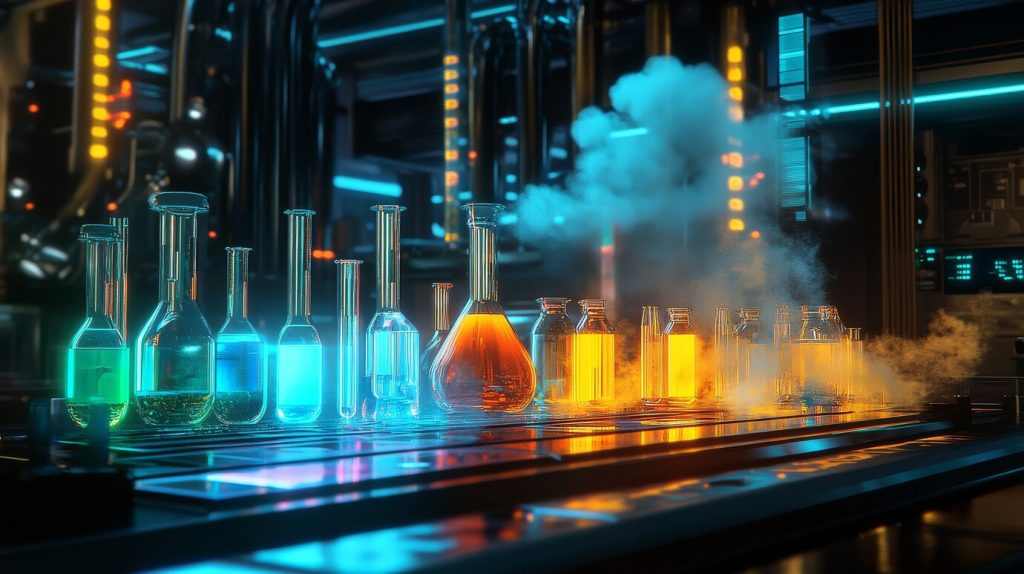
Chemical Processing: A Comprehensive Guide Chemical processing is an integral part of modern industry, transforming raw materials into essential products that enhance our daily lives. This guide delves into the significance of chemical processing, the various processes involved, emerging trends, and the challenges faced by the industry. The Importance of Chemical Processing Chemical processing is pivotal for several reasons: Economic Growth: The chemical industry contributes significantly to global GDP, providing jobs and supporting various sectors, including agriculture, healthcare, and manufacturing. Innovation and Technology Development: Advances in chemical processing lead to the creation of new materials and products, driving innovation in fields such as electronics, renewable energy, and pharmaceuticals. Sustainability: The industry is increasingly focusing on sustainable practices, developing processes that minimize environmental impact and promote the use of renewable resources. Quality of Life: Chemical processing is responsible for producing everyday items, from medicines and cleaning products to fuels and food additives, directly impacting our quality of life. Key Processes in Chemical Processing Chemical processing encompasses a variety of techniques, each tailored to specific applications. Here’s a closer look at some of the most common processes: 1. Distillation Overview: Distillation is a separation technique that relies on differences in boiling points to separate components of a liquid mixture. It is widely used in the petrochemical industry to refine crude oil into gasoline, diesel, and other products. Types: Fractional Distillation: Used for separating mixtures with closer boiling points. Simple Distillation: Suitable for separating a solvent from a solution. Applications: Distillation is crucial in the production of alcoholic beverages, perfumes, and essential oils. 2. Absorption Overview: Absorption involves the uptake of one substance by another, typically a gas being absorbed by a liquid. This process is essential for removing pollutants from industrial emissions. Mechanism: Involves the interaction between the gas and the liquid, where the gas molecules dissolve in the liquid phase. Applications: Commonly used in gas scrubbing systems to remove sulfur dioxide from flue gases. 3. Adsorption Overview: Adsorption is the process where molecules adhere to the surface of a solid or liquid. This is different from absorption, where the substance penetrates the bulk of the material. Materials Used: Activated carbon, silica gel, and zeolites are commonly used adsorbents. Applications: Used in water treatment to remove contaminants, in air purification systems, and in various industrial processes. 4. Crystallization Overview: Crystallization is the process of forming solid crystals from a solution. It is critical for purifying substances and recovering valuable materials. Types: Cooling Crystallization: Involves cooling a saturated solution to induce crystallization. Evaporative Crystallization: Involves evaporating the solvent to concentrate the solution. Applications: Widely used in the sugar industry, pharmaceutical manufacturing, and the production of salts. 5. Filtration Overview: Filtration is a mechanical or physical process that separates solids from fluids by using a porous medium. It is essential for purifying liquids and gases. Types: Gravity Filtration: Relies on gravity to pull the liquid through the filter. Vacuum Filtration: Uses a vacuum to speed up the filtration process. Applications: Used in water treatment plants, food processing, and chemical manufacturing. Emerging Trends in Chemical Processing The chemical processing industry is undergoing significant changes driven by technological advancements and societal demands. Here are some key trends: 1. Sustainability Focus on Green Chemistry: There is a growing emphasis on developing processes that reduce waste, use renewable feedstocks, and minimize energy consumption. Green chemistry principles aim to design chemical products and processes that are environmentally benign. Circular Economy: The industry is moving towards a circular economy model, where waste is minimized, and materials are reused and recycled. 2. Digitalization Industry 4.0: The integration of digital technologies, such as IoT (Internet of Things), AI (Artificial Intelligence), and big data analytics, is revolutionizing chemical processing. These technologies enhance monitoring, predictive maintenance, and process optimization. Data-Driven Decision Making: Companies are leveraging data analytics to improve efficiency, reduce downtime, and enhance safety protocols. 3. Personalization Tailored Products: There is an increasing demand for customized products, particularly in pharmaceuticals and cosmetics. This trend requires more flexible manufacturing processes that can adapt to varying consumer needs. Advanced Formulations: Innovations in chemical processing are enabling the development of complex formulations that meet specific customer requirements. Challenges Facing the Chemical Processing Industry Despite its advancements, the chemical processing industry faces several challenges: 1. Regulatory Compliance Stringent Regulations: The industry must navigate a complex landscape of regulations aimed at protecting the environment and public health. Compliance can be costly and time-consuming. 2. Environmental Concerns Pollution and Waste Management: Chemical processing can generate hazardous waste and emissions. Companies are under pressure to adopt cleaner technologies and improve waste management practices. 3. Skilled Workforce Shortage Talent Acquisition: The industry is facing a shortage of skilled workers, particularly in engineering and technical roles. Attracting and retaining talent is crucial for maintaining competitiveness. 4. Market Volatility Fluctuating Raw Material Prices: The chemical processing industry is vulnerable to fluctuations in raw material prices, which can impact profitability and operational stability. Read More – Metal Finishing Chemicals Market to Hit $34.4B by 2033: Key Trends & Growth About PROPLATE™ PROPLATE™, as your complete surface finishing solution platform, is an engineering marvel crafted to change your operations radically. Altogether, one can admit, due to the numerous features and tools the PROPLATE™ provides its users, that this software is the most efficient and convenient tool to control all stages of surface-making processes. From end-to-end process integration for projects to the easy exchange of information with clients, PROPLATE™ makes businesses capable of fine-tuning their methods to get real-world performance and best-quality outcomes. Whether for a single shop establishment or a huge production company, PROPLATE™ has the features for a successful plate fabrication makeover, ever-improved company services, and a competitive edge in the highly demanding industry of today. Conclusion Chemical processing is a vital industry that underpins many aspects of modern life. As it evolves, the focus on sustainability, digitalization, and personalization will shape its future. By addressing the challenges it faces, the industry can continue to innovate and provide essential products that enhance our quality
Plating Solutions: Enhancing Durability, Appearance, and Functionality
Plating Solutions: Enhancing Durability, Appearance, and Functionality Introduction to Plating Solutions Plating solutions play a crucial role in various industries by improving the durability, appearance, and functionality of metal components. This guide provides a comprehensive overview of plating solutions, including their definitions, types, benefits, and applications, along with insights into ProPlate®, a leader in the industry. Plating involves applying a thin layer of metal onto a substrate to enhance its properties. This process is vital in sectors like automotive, aerospace, electronics, and jewelry, where both aesthetic appeal and functional performance are essential. The importance of plating cannot be overstated, as it not only protects components from wear and tear but also enhances their visual appeal, making them more marketable. What is Plating? Plating is a surface finishing process that involves depositing a layer of metal onto a substrate. This can be achieved through various methods, including electroplating and electroless plating. The primary goal of plating is to improve the surface properties of the substrate, such as its corrosion resistance, wear resistance, and overall aesthetic appeal. Common plating materials include nickel, gold, silver, and chrome, each selected based on the desired properties and application requirements. For instance, gold is often used in electronics for its excellent conductivity and resistance to tarnish, while nickel is favored for its durability and corrosion resistance. Types of Plating Solutions There are several types of plating solutions, each with unique processes, benefits, and applications. The most common types include: Electroplating: This process uses electric current to reduce metal cations from a solution and deposit them onto a substrate. It provides a uniform coating, enhances corrosion resistance, and improves surface hardness. Electroplating is widely used in automotive parts, electronics, and decorative items. Electroless Plating: Unlike electroplating, this chemical reduction process deposits metal without the need for an electric current. It offers excellent coverage on complex geometries and non-conductive surfaces, making it common in the production of electronic components and automotive parts. Anodizing: An electrochemical process that converts the metal surface into a decorative, durable, corrosion-resistant anodic oxide finish. Anodizing increases corrosion resistance and allows for dyeing, frequently used in aluminum products, including architectural and automotive applications. Physical Vapor Deposition (PVD): A vacuum coating process that involves the physical transfer of material from a condensed phase to a vapor phase and then back to a solid phase on the substrate. PVD provides a hard, wear-resistant coating with excellent adhesion, utilized in cutting tools, decorative finishes, and electronic components. Chemical Vapor Deposition (CVD): This process involves chemical reactions in the vapor phase to produce a solid material on the substrate. CVD produces high-purity coatings with excellent uniformity, commonly used in semiconductor manufacturing and protective coatings. Other Specialized Plating Methods: This includes techniques like hot-dip galvanizing, barrel plating, and brush plating. Hot-dip galvanizing involves coating steel with a layer of zinc for corrosion protection, while barrel plating is suitable for small parts where items are tumbled in a barrel during plating. Brush plating is a localized technique used for repairs and touch-ups. Benefits of Plating Solutions Plating solutions offer numerous advantages, including corrosion resistance, which protects components from environmental damage; wear resistance, which extends the lifespan of parts exposed to friction; improved aesthetics, enhancing the visual appeal of products; enhanced electrical conductivity, essential for electronic components; improved adhesion, ensuring better performance of coatings; and increased component lifespan, reducing the need for replacements. Applications of Plating in Various Industries Plating solutions are applied in a wide range of industries, each with specific requirements and standards. In the medical industry, plating is crucial for device coatings, hypotubes, and electrodes, where biocompatibility and corrosion resistance are essential. The aerospace industry relies on plating for aircraft components, fasteners, and sensors, where lightweight and durable materials are necessary for safety and efficiency. In the automotive industry, plating is used for parts coatings, exterior trim, and engine components, ensuring that vehicles can withstand the rigors of daily use. The electronics industry benefits from plating in circuit boards, connectors, and terminals, where conductivity and reliability are critical. Finally, the jewelry and fashion industry utilizes plating for jewelry plating, accessories, and watches, where aesthetic appeal and durability are paramount. ProPlate®’s Expertise in Plating Solutions ProPlate® stands out as a leader in the plating industry, offering specialized services tailored to meet the unique needs of various sectors, particularly in medical devices. Their commitment to quality assurance and adherence to rigorous certifications ensures that clients receive top-notch plating solutions. ProPlate® also emphasizes custom plating services, allowing clients to specify their requirements to achieve the desired properties and aesthetics for their products. This level of customization is vital in industries where precision and reliability are non-negotiable. The Plating Process The plating process is intricate and involves several key steps to ensure quality and effectiveness. It begins with pre-treatment, where the substrate is cleaned and prepared to enhance adhesion. This is followed by the actual plating phase, during which the plating solution is applied to the substrate. Post-treatment processes are then conducted to enhance the properties of the plated surface, such as polishing or additional coatings. Finally, quality control measures are implemented to ensure that the plating meets specified standards and performs as intended. Factors Affecting the Quality of Plating The quality of plating is influenced by several critical factors. The substrate material plays a significant role, as its properties can affect adhesion and overall performance. Plating thickness is another important consideration, as it impacts durability and functionality. The bath composition, referring to the chemical makeup of the plating solution, also affects the final outcome. Temperature control during the plating process is crucial, as it can influence the deposition rate and quality of the coating. Additionally, current density, which refers to the amount of electric current applied during electroplating, can significantly affect the deposition rate and the uniformity of the coating. Environmental and Safety Considerations In the plating industry, proper handling of chemicals, waste disposal, and compliance with environmental regulations are paramount to minimize environmental impact. Companies must implement safety protocols