Streamline Your Surface Finishing Operations with PROPLATE Production ERP Software
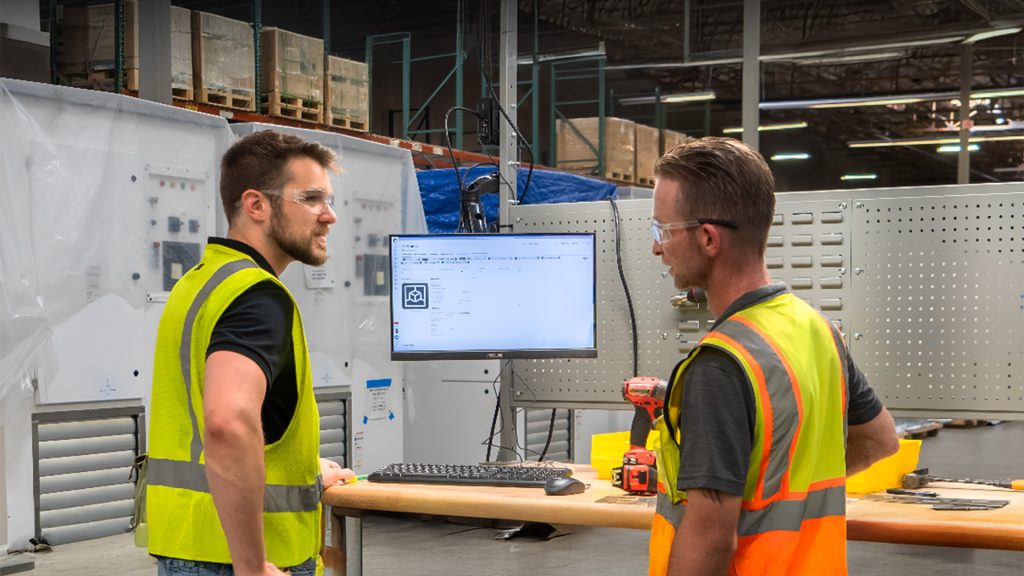
Streamline Your Surface Finishing Operations with PROPLATE Production ERP Software Surface finishing operations demand more than generic production tools. Managing complex plating sequences, maintaining precise bath chemistries, and ensuring full traceability for regulated industries requires a system built specifically for these challenges. Off-the-shelf ERP solutions often lack the flexibility and technical depth to support the detailed workflows that finishing shops rely on every day. PROPLATE Production ERP Software was developed to solve this problem. Designed around the actual requirements of surface finishing, it helps companies gain tighter process control, reduce errors, and meet compliance standards all while increasing efficiency from job order to final inspection. Whether you’re handling custom masking, plating on advanced substrates, or medical-grade finishing, this ERP system provides the structure and visibility needed to scale with confidence. Why Surface Finishing Needs Specialized ERP Unlike general manufacturing, surface finishing involves highly regulated, often multi-step processes that require exceptional precision and documentation. From bath chemistry management to custom masking and plating on complex substrates, each step involves critical variables that can affect final outcomes. Traditional ERP systems often fail to address: Plating process variability Lot-level traceability Material compatibility tracking Chemistry usage and disposal monitoring Real-time work order updates with routing instructions For surface finishing operations like those at ProPlate®, these gaps can cause delays, compliance risks, and operational inefficiencies. A specialized ERP system tailored to the nuances of electroplating and finishing workflows is not just helpful, it’s essential. Key Features of PROPLATE Production ERP Software Let’s explore how the PROPLATE ERP platform delivers powerful advantages: 1. Custom Routing & Process Control Each job can involve multiple plating types, masking techniques, and post-processing stages. PROPLATE ERP allows for customized routing templates with detailed instructions tailored to substrate material, customer specs, and plating type. Technicians receive digital traveler sheets and real-time updates, minimizing errors and maximizing consistency. 2. Chemical Bath Tracking and Compliance Maintaining chemical bath composition is critical in precision plating. PROPLATE ERP includes bath lifecycle monitoring, tracks chemical additions, logs maintenance schedules, and integrates with lab results to ensure processes stay in spec. This is especially valuable for companies that must comply with ISO 13485, RoHS, or medical device traceability standards. 3. Customer-Specific Configuration Every client may have unique part numbers, finish requirements, and documentation needs. PROPLATE ERP supports customer-specific BOMs, finish codes, and certification templates, ensuring compliance without needing manual re-entry or rework. The system stores historical records for every part, lot, and finishes supporting audits, quality reviews, and design changes with ease. 4. Inventory & Lot Traceability Track raw materials, masking components, work-in-progress, and finished goods all the way through the shop floor. With full lot-level traceability, PROPLATE ERP reduces the risk of mix-ups and supports robust quality assurance programs. It also tracks plating solution usage, component exposure times, and operator actions creating a complete data record for each job. 5. Integrated Quality Management Surface finishing companies must meet stringent quality requirements, especially in the medical and aerospace sectors. PROPLATE ERP includes tools for: In-process inspection logging Deviation management Non-conformance reporting Corrective and Preventive Actions (CAPA) These features help manufacturers respond faster to quality events and continuously improve their processes. Benefits That Go Beyond the Shop Floor Implementing PROPLATE ERP isn’t just about digital transformation, it’s about creating a scalable, predictable, and compliant operation. Here’s how the platform drives value across the organization: Faster Turnaround Times Digital work orders, integrated routing, and real-time updates eliminate paperwork delays and reduce downtime between steps. Better Customer Communication With integrated dashboards and reporting, customer service teams can instantly access job status, expected completion times, and certification history delivering better communication and trust. Enhanced Regulatory Readiness Whether you’re preparing for a medical device audit or maintaining aerospace certifications, PROPLATE ERP makes documentation easier with real-time logs and complete traceability. Reduced Waste and Rework By tightening control over masking, plating processes, and bath chemistry, PROPLATE ERP helps reduce off-spec parts and minimize costly rework. Built for the Complexities of Surface Finishing ProPlate®, a leader in precision electroplating, understands the complexity of surface finishing firsthand. That’s why PROPLATE ERP is designed with deep industry input built around the actual workflows, pain points, and compliance needs of surface finishers. Whether you’re plating micro components for catheters, shielding solutions for aerospace, or conductive finishes for electronics, PROPLATE ERP adapts to your shop’s unique needs without compromising control or compliance. Final Thoughts Surface finishing is a high-precision, high-compliance discipline that requires more than just generic production software. PROPLATE Production ERP Software is purpose-built to help finishers like you run more efficiently, meet stringent regulatory requirements, and scale with confidence. If your current systems are holding you back or if you’re still managing complex plating workflows with spreadsheets and paper, it’s time to explore how PROPLATE ERP can streamline your operations and give you a competitive edge. Ready to modernize your surface finishing operation? Discover how PROPLATE ERP Software can power your growth. Contact us today to schedule a consultation or demo. Schedule a Demo Download Now! 8 Proven Surface Finishing Techniques Every Professional Should Know PROPLATE™ delivers a range of features designed to help manufacturers optimize their barrel plating operations, reduce downtime, and minimize costly maintenance. Here’s how it works: 1. Predictive Maintenance: Prevent Issues Before They Happen PROPLATE™ uses advanced data analytics to predict when equipment might fail, allowing manufacturers to address potential issues before they cause disruptions. By continuously tracking the performance of barrel plating equipment—including motor speeds, bath chemistry, and barrel rotation—PROPLATE™ identifies patterns that indicate impending wear or failure. With predictive maintenance alerts, operators and maintenance teams can schedule repairs or replace parts proactively, minimizing unplanned downtime and reducing the risk of major breakdowns. This data-driven approach leads to more efficient operations, fewer equipment failures, and a more reliable barrel plating process. 2. Real-Time Monitoring and Control for Maximum Efficiency Real-time monitoring is one of the most powerful features of PROPLATE™. The software provides continuous data on plating conditions, bath parameters, and equipment performance. This enables operators to identify anomalies or
Why is industry-specific ERP software crucial for surface finishing job shops

Why is industry-specific ERP software crucial for surface finishing job shops The surface finishing industry is built on precision, flexibility, and tight timelines. Job shops in sectors such as anodizing, plating, powder coating, and chemical processing manage complex, high-mix, low-volume orders, often with unique specifications and stringent compliance requirements. The challenge lies in managing this complexity efficiently, without compromising quality or profitability. Generic ERP systems or manual processes are simply not equipped to handle the demands of such an intricate and fast-paced environment. To remain competitive and drive operational excellence, many surface finishing job shops are turning to ERP software specifically designed for the industry. Here’s why making this shift is not just beneficial, but essential. The Operational Complexity of Surface Finishing Job Shops Job shops handle a variety of custom orders with varying levels of complexity. Each job may have different coatings, thicknesses, inspection standards, and turnaround times. Managing: Numerous active projects with varying timelines and priorities Compliance with stringent regulatory standards Detailed process documentation for quality assurance and auditing purposes It is no easy feat. The reality is that, without a purpose-built ERP system, staying on top of these variables while ensuring efficiency and minimizing errors becomes increasingly difficult. The Strategic Advantage of Industry-Specific ERP Software A generic ERP system lacks the necessary tools and features to optimize surface finishing operations. In contrast, an ERP system designed for this industry provides the tailored capabilities needed to handle the unique challenges of job shops. Here’s how it drives operational improvement and enhances business performance: 1. Real-Time Job Tracking and Enhanced Shop Floor Visibility In a fast-paced job shop environment, knowing where each part is in the production process is critical. Generic systems or manual tracking often result in delays, errors, or lack of visibility into job status. Industry-specific ERP software digitizes the entire shop floor, offering real-time tracking for each job. This provides managers with immediate visibility into job progress, potential delays, and bottlenecks. With accurate, live updates, it’s easier to keep operations running smoothly and meet customer deadlines. 2. Accurate, Configurable Quoting for Profitability Quoting in the surface finishing industry is complex. It involves more than just calculating material and labor costs. Factors like surface area, geometry, masking, racking, and chemical use must all be considered. ERP systems built for the industry automate these calculations, ensuring that quotes are not only faster but also more accurate. With built-in pricing logic and process-specific parameters, it reduces the risk of underpricing and increases the profitability of every job. 3. Dynamic Scheduling to Adapt to Changing Workloads Unlike high-volume production environments, job shops face frequent changes in job priorities, from urgent orders to unexpected downtime. Managing these fluctuations without specialized software leads to inefficiencies and delays. An industry-specific ERP system’s dynamic scheduling tools allow for real-time adjustments. It enables managers to reprioritize jobs, balance workloads across production lines, and quickly address bottlenecks—ensuring that production continues without disruption. 4. Integrated Compliance and Quality Control For job shops working with regulated industries such as aerospace, medical, or automotive, compliance with quality standards is critical. Managing certifications, inspections, and process documentation manually or across multiple systems is cumbersome and error-prone. ERP software designed for surface finishing integrates quality control and compliance into every step of the process. Automated tracking of process parameters, inspection records, defects, and certifications ensures the shop remains audit-ready and compliant year-round, without extra administrative burden. 5. Faster, More Accurate Invoicing Delayed invoicing is a common challenge in job shops, often due to scattered job data and inefficient billing processes. Inconsistent or incomplete job records lead to errors and delayed payments, affecting cash flow and financial health. ERP systems tailored to the surface finishing industry automate invoicing. As soon as a job is completed, the system generates accurate invoices, integrating all relevant data and ensuring billing is aligned with customer-specific requirements. This leads to faster payments and fewer billing disputes. 6. Data-Driven Insights for Smarter Decision Making In an industry where margins are tight, having access to real-time data is essential for continuous improvement. Generic ERP systems often fail to provide the level of detail needed for strategic decision-making. Industry-specific ERP systems turn shop floor data into actionable business intelligence. Through dashboards and custom reports, managers can track job profitability, chemical usage, machine downtime, labor efficiency, and more. These insights enable informed decision-making, driving both operational efficiency and long-term profitability. Key Benefits of Industry-Specific ERP for Surface Finishing Job Shops: Real-time visibility to improve shop floor management and accountability Automated quoting and pricing for faster, more accurate estimates and improved margins Dynamic scheduling tools to manage shifting priorities and avoid bottlenecks Built-in compliance and quality control features to streamline audits and maintain certifications Faster invoicing and improved cash flow through automated billing processes Data-driven analytics to uncover inefficiencies and optimize resource use Final Thoughts: A Strategic Investment for Long-Term Success In the surface finishing industry, where precision, quality, and speed are essential, managing complex workflows and maintaining operational efficiency is no simple task. The use of generic ERP systems or manual processes to track jobs, ensure compliance, and manage costs only compounds the challenges. An ERP system specifically built for surface finishing operations is more than just a tool—it’s a strategic investment that can enhance every aspect of your operations. From improving visibility and streamlining quoting to optimizing scheduling and ensuring compliance, the benefits are clear. If your shop is still relying on outdated systems or generic solutions, now is the time to consider a specialized ERP that aligns with your business needs. The right ERP system will help modernize operations, reduce costs, and maintain the competitive edge required to thrive in today’s dynamic market. Ready to improve your operations? Explore how PROPLATE™ can help optimize your surface finishing job shop’s processes, reduce costs, and improve overall profitability. Schedule a Demo Download Now! 8 Proven Surface Finishing Techniques Every Professional Should Know PROPLATE™ delivers a range of features designed to help manufacturers optimize their barrel plating operations, reduce downtime, and
How Chemical Surface Treatment Benefits from Specialized ERP Software

How Chemical Surface Treatment Benefits from Specialized ERP Software Chemical surface treatment processes, such as electroplating, anodizing, and precision metal finishing, are critical to industries where performance, durability, and compliance cannot be compromised. Companies operating in this space face highly specific challenges, including stringent traceability, bath chemistry control, customer-specific routing, and regulatory documentation. As these operations scale, the need for specialized ERP (Enterprise Resource Planning) software becomes increasingly vital. Unlike traditional ERP systems, which cater to general manufacturing workflows, industry-specific ERP software is tailored to meet the exacting requirements of chemical-based production environments. For surface treatment companies—especially those serving medical, aerospace, and defense sectors, a chemical-focused ERP can streamline operations, ensure compliance, and enhance product quality. Why Surface Finishing Is Different from General Manufacturing Unlike traditional manufacturing, chemical surface treatment involves processes that are sensitive to bath chemistry, substrate compatibility, and deposit thickness control. Operations like gold or palladium plating are not only material-intensive but must also be tightly controlled to meet biocompatibility or conductivity standards. This complexity becomes difficult to manage without a system that understands: Variable process sequences Tight tolerance control Material traceability Regulated documentation Dynamic work orders and load planning Specialized ERP software meets these needs by aligning operations, quality, and compliance through one integrated platform. Challenges in Chemical Surface Treatment Operations Before exploring the ERP benefits, it’s essential to understand the pain points chemical surface finishing firms typically encounter: Complex Process Routing: Plating operations involve multi-stage, sequenced treatments that may vary per client or part number. Regulatory Compliance: Strict adherence to NADCAP, ISO, ITAR, RoHS, and REACH standards is essential. Batch Control and Traceability: Every component and its corresponding process data must be fully traceable across the supply chain. Inventory Volatility: Managing hazardous chemical inventories involves monitoring usage, reordering, and expiration control. Quality Assurance: High-precision finishing requires robust in-process testing and non-conformance tracking. These challenges are not adequately addressed by standard ERP systems. This is where specialized ERP platforms built for the chemical processing industry offer significant advantages. 1. Streamlining Complex Plating Workflows Plating and surface finishing processes typically involve multiple interconnected stages, such as surface prep, masking, base layer deposition, selective plating, and final finishing. A specialized ERP platform enables manufacturers to: Define multi-step process routings Assign part-specific treatments and configurations Track operator workflows, dwell times, and rinse cycles Monitor tank load capacity and availability This ensures that every part follows its engineered process flow without manual tracking or bottlenecks, which is crucial for time-sensitive programs in the medical or defense industries. 2. Chemistry Management and Bath Lifecycle Control In electroplating, solution chemistry stability is vital for ensuring consistent thickness, adhesion, and surface finish. Advanced ERP platforms tailored to chemical processing include features like: Bath composition tracking Replenishment scheduling based on load cycles Predictive alerts for metal ion depletion Logging of pH levels, temperature, and additive ratios By maintaining real-time data on plating solution health, ERP software helps improve first-pass yield and reduces the risk of plating defects or rework. 3. Quality Control and Specification Compliance Meeting the requirements of ISO, NADCAP, and ITAR registration demands a system that captures and centralizes data from every process step. ERP systems built for surface finishing allow users to: Log plating thickness measurements in microns Record pass/fail outcomes from adhesion or solderability tests Generate Certificates of Conformance (CoC) automatically Attach inspection images or reports to each work order This digital paper trail enables a traceable, auditable process critical in high-stakes sectors where a single deviation can trigger costly returns or audits. 4. Lot Tracking and Serialized Component Control Whether coating catheter-based medical components or aerospace connectors, each finished part must be tied back to its raw material source, plating batch, and process parameters. Specialized ERP systems offer: Lot-based and serial-level traceability Integrated cleanroom documentation workflows Chain-of-custody records for compliance reviews Cross-linking of part history to process data This ensures full component-level accountability, streamlining audits and supporting FDA or NADCAP validation. 5. Smart Inventory and Procurement Management Chemical inventory is not just about counting stock, it’s about monitoring shelf-life, hazard handling, and regulatory labeling. ERP solutions designed for chemical operations help: Track expiration and manage FEFO (First Expiry, First Out) Ensure proper storage according to chemical class Forecast usage based on historical process volume Auto-generate purchase orders based on tank usage and production load These controls minimize waste, ensure compliance, and reduce stockouts without tying up capital in overstocked inventory. 6. Real-Time Visibility and Production Analytics In environments where precision, speed, and compliance must coexist, ERP systems offer managers the visibility they need to optimize operations. This includes: Live dashboards for WIP (Work in Progress) Tank utilization rates and load efficiencies Downtime tracking by process or equipment Operator productivity and shift reporting Access to real-time, data-driven insights helps identify performance gaps, reduce lead times, and improve client delivery. 7. Enhanced Client Collaboration and Engineering Integration Many plating companies work on engineered-to-order parts where every detail, from coating thickness to documentation, is client-specific. A chemical-focused ERP system enables: Storage of customer-specific plating specifications Custom routing templates for high-mix, low-volume work Co-branded documentation or packing slips Integration with engineering change requests (ECRs) This ensures each part meets client expectations down to the last detail, strengthening customer trust and simplifying repeat orders. Final Thoughts For surface finishing companies involved in electroplating, selective plating, or catheter-based medical device coatings, a specialized ERP platform serves as the backbone of operations. These systems provide end-to-end visibility, support precise process control, and ensure compliance with stringent industry standards. Unlike generic ERP systems, which may fall short in regulated environments, industry-specific solutions offer the traceability, quality assurance, and integration needed to manage complex workflows across engineering, production, inventory, and quality control. Proplate™ utilizes ERP technology to ensure consistent quality, full process visibility, and reliable compliance across all surface treatment operations. Schedule a Demo Download Now! 8 Proven Surface Finishing Techniques Every Professional Should Know PROPLATE™ delivers a range of features designed to help manufacturers optimize their barrel plating operations, reduce downtime, and minimize costly maintenance.
Benefits of Cloud-Based ERP for Manufacturing: PROPLATE’s Secure Azure Integration

Benefits of Cloud-Based ERP for Manufacturing: PROPLATE’s Secure Azure Integration Manufacturers in the surface finishing industry face an uphill battle: juggling complex processes, maintaining strict compliance standards like ISO and NADCAP, and meeting rising customer demands all while keeping costs down. Legacy ERP systems often fall short in addressing the unique workflows of plating, anodizing, powder coating, and chemical processing facilities. That’s why a growing number of manufacturers are turning to cloud-based ERP solutions that not only modernize their operations but also deliver real-time control, data security, and scalability. Enter PROPLATE™ a purpose-built ERP and MES platform developed specifically for the surface finishing industry. What sets it apart? Its deep integration with Microsoft Azure, one of the most secure and reliable cloud platforms in the world. This combination gives manufacturers the tools to streamline shop floor operations, improve compliance readiness, and accelerate growth with the confidence that their data and workflows are protected in a scalable, cloud-native environment. Why Cloud-Based ERP Matters in Manufacturing Cloud-based ERP systems provide manufacturers with several advantages over legacy, on-premises solutions: Scalability: Easily expand as your business grows—without costly hardware upgrades. Real-Time Access: View live production data, order statuses, and quality metrics from anywhere. Lower IT Overhead: No need for in-house servers or complex maintenance protocols. Improved Collaboration: Enables plant-floor operators, quality teams, and executives to work from a shared, synchronized platform. Automatic Updates: Receive security patches, system upgrades, and feature enhancements without downtime. These benefits become even more critical in industries where process control, chemical management, and compliance documentation are tightly regulated and time-sensitive. PROPLATE™: Purpose-Built for Surface Finishing Unlike generic ERP platforms, PROPLATE™ is engineered specifically for surface finishing and related manufacturing sectors. It’s not just cloud-based, it’s intelligently cloud-integrated via Microsoft Azure, ensuring both security and performance at scale. Key advantages of PROPLATE’s Azure-based infrastructure include: High Uptime & Reliability: Microsoft Azure guarantees enterprise-grade performance with global availability zones. Data Security: Advanced threat protection, data encryption, and compliance with major security standards (ISO, SOC, etc.) come standard. Seamless Remote Access: Shop managers, floor technicians, and auditors can securely access the system from any device, anytime. Automatic Backups & Disaster Recovery: Your production data is always safe and recoverable. Operational Benefits of PROPLATE’s Cloud Integration Here’s how PROPLATE™ translates Azure’s capabilities into day-to-day manufacturing efficiency: Dynamic Scheduling Across Workstations The system auto-adjusts schedules in real-time based on order changes, reducing manual rescheduling and downtime. Live Order Tracking with Compliance Checkpoints Monitor every step of the process—from receiving to shipping—while automatically capturing ISO and NADCAP compliance data. Surface Area & Load Capacity Calculation Get precise chemical dosage requirements and maximize load utilization, thanks to real-time analytics. Integrated Quoting & Invoicing Turn quotes into jobs and jobs into invoices—all within the platform—while syncing with accounting tools like QuickBooks and Peachtree. Built-In SPC and Lab Testing Tools Conduct and track chemical testing directly in the system, with alerts, limits, and visual dashboards for easy oversight. Real-World Impact Manufacturers using PROPLATE™ report significant improvements, including: Up to 25% increase in throughput 20% reduction in chemical waste Faster quote-to-cash cycles Reduced manual errors and rework Easier audit readiness and certification renewals Final Thoughts In an industry where precision, traceability, and efficiency drive profitability, a traditional ERP system simply won’t suffice. A cloud-based ERP PROPLATE™, hosted on Microsoft Azure, delivers the flexibility, scalability, and security that surface finishing operations need to compete and grow. Whether you’re a plating shop aiming to go paperless or a heat-treatment facility struggling with compliance reporting, PROPLATE™ offers a tailored, future-ready solution. Ready to bring cloud intelligence to your shop floor? Explore how PROPLATE™ can transform your surface finishing operations. Schedule a Demo Download Now! 8 Proven Surface Finishing Techniques Every Professional Should Know PROPLATE™ delivers a range of features designed to help manufacturers optimize their barrel plating operations, reduce downtime, and minimize costly maintenance. Here’s how it works: 1. Predictive Maintenance: Prevent Issues Before They Happen PROPLATE™ uses advanced data analytics to predict when equipment might fail, allowing manufacturers to address potential issues before they cause disruptions. By continuously tracking the performance of barrel plating equipment—including motor speeds, bath chemistry, and barrel rotation—PROPLATE™ identifies patterns that indicate impending wear or failure. With predictive maintenance alerts, operators and maintenance teams can schedule repairs or replace parts proactively, minimizing unplanned downtime and reducing the risk of major breakdowns. This data-driven approach leads to more efficient operations, fewer equipment failures, and a more reliable barrel plating process. 2. Real-Time Monitoring and Control for Maximum Efficiency Real-time monitoring is one of the most powerful features of PROPLATE™. The software provides continuous data on plating conditions, bath parameters, and equipment performance. This enables operators to identify anomalies or inefficiencies immediately. By adjusting variables like plating time, barrel speed, and bath temperature in real-time, operators can keep the process running smoothly and reduce the chances of failure. Monitoring also helps maintain consistent plating quality, ensuring that products meet specifications and minimizing the need for rework or scrap. As a result, manufacturers experience less downtime for quality control checks and improvements. 3. Optimized Maintenance Scheduling: Minimize Unnecessary Intervals PROPLATE™ moves beyond traditional maintenance schedules by optimizing maintenance intervals based on real equipment usage and performance. Rather than following generic, time-based maintenance schedules, PROPLATE™ generates maintenance tasks tailored to each piece of equipment. This ensures that maintenance activities occur only when needed, reducing unnecessary downtime and avoiding costly repairs caused by over-servicing. By automating the maintenance schedule based on actual data, PROPLATE™ helps businesses balance cost savings with equipment longevity. 4. Automated Data Collection and Reporting Manual maintenance tracking and reporting are prone to errors, leading to missed maintenance tasks and inaccurate data. PROPLATE™ eliminates these challenges by automating data collection and reporting. Every aspect of the barrel plating process—from plating bath levels to equipment performance—is automatically logged, giving maintenance teams accurate, up-to-date information for decision-making. The software generates comprehensive maintenance logs, downtime reports, and equipment performance analytics, allowing teams to track trends, identify areas for improvement, and ensure that
Exploring Jobshop ERP: Streamlining Production and Scheduling in Job Shops
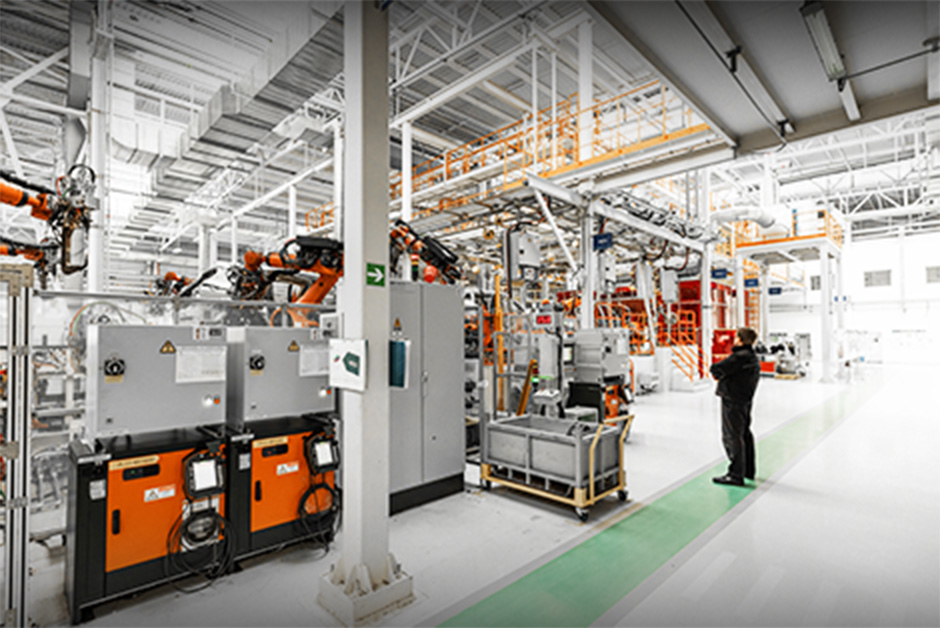
Exploring Jobshop ERP: Streamlining Production and Scheduling in Job Shops Job shops are the backbone of custom manufacturing, fast-paced, detail-driven, and constantly evolving. Yet, the complexity that defines their value also makes them among the most difficult production environments to manage. Unpredictable order volumes, constantly changing routing paths, and highly variable customer specifications place enormous pressure on planning and production teams. This is where jobshop ERP systems come into play, not as generic business software, but as critical infrastructure that brings order to chaos. Why Job Shops Need a Different Kind of ERP Conventional ERP platforms are built around uniformity: fixed bills of materials, repetitive schedules, and consistent workflows. Job shops, in contrast, deal in uniqueness. No two orders are alike. The same equipment might handle three entirely different finishes before noon. A jobshop ERP is built with these realities in mind. It prioritizes flexibility, real-time visibility, and operational traceability, providing the tools required to stay agile while maintaining control. From Paperwork to Precision: Modernizing Production Scheduling Manual job travelers, paper schedules, and siloed spreadsheets are still common in small to mid-size job shops. But these methods break down quickly under pressure—especially when unexpected rush orders, equipment downtime, or staff changes arise. With a robust jobshop ERP in place, scheduling becomes dynamic. Production managers gain a visual, up-to-the-minute overview of all jobs on the floor. They can: Reassign workstations instantly when capacity shifts Track the progress of every order without chasing paperwork Anticipate downstream delays before they impact delivery This shift from reactive to proactive scheduling dramatically reduces bottlenecks, missed deadlines, and idle time. Precision in Surface Finishing Demands Data-Driven Planning In industries such as plating, anodizing, chemical processing, or powder coating, the importance of accurate part geometry, surface area calculations, and load capacity planning cannot be overstated. Without digital tools to perform these calculations, shops risk overloading tanks, underutilizing capacity, or producing inconsistent finishes. Jobshop ERP systems designed for surface finishing environments offer built-in modules that handle: Surface area and volume calculations based on part drawings or profiles Optimized racking or barrel load estimations Consumption forecasts for chemicals and energy inputs This not only boosts operational efficiency but also supports regulatory compliance and cost control. Chemical Process Monitoring and Quality Compliance One of the most challenging aspects of managing a finishing job shop is maintaining chemical integrity and process consistency. Without digital tracking, it’s difficult to ensure that each tank, line, or bath is operating within specification. Jobshop ERP systems bring structure to this complexity by: Tracking chemical concentrations across tanks and time intervals Logging test results and deviations automatically Linking those results to specific jobs, customers, or audit trails For operations serving aerospace, defense, or medical device clients, this level of traceability is essential. It supports both internal quality programs. Quoting and Invoicing Built on Operational Intelligence Accurate quoting in job shops is notoriously difficult. With every job being custom, estimating time, material, and overhead often involves guesswork leading to underpricing or overpromising. An ERP purpose-built for job shops eliminates the guesswork by drawing from historical job data, real-time resource rates, and standard routing templates. Teams can: Generate quotes that reflect actual capacity and cost drivers Automate the conversion from quote to job order and invoice Eliminate redundant data entry between front office and shop floor When the quoting engine is tied directly to production performance, revenue leakage is reduced and profitability improves even on low-volume or short-turnaround jobs. Seamless Integration with Existing Workflows The hesitation to adopt ERP systems often stems from fear of disruption. But for job shops already operating at full capacity, implementation needs to be fast, adaptable, and non-invasive. Some platforms are built specifically to integrate with legacy systems and spreadsheets, allowing operations to migrate data and processes at their own pace. There’s no need to halt production or retrain the entire workforce overnight. With a modular and flexible approach, ERP adoption becomes an operational evolution not a technical overhaul. Conclusion Job shops are being asked to do more with less: faster turnarounds, stricter compliance, and tighter margins. Manual systems and generic software are no longer enough to meet these demands. An ERP system built specifically for the needs of job shops offers real-time control, process traceability, and the flexibility required to manage high-mix, low-volume production. From dynamic scheduling and accurate quoting to integrated chemical monitoring and quality assurance, it enables shops to operate with greater efficiency and confidence. PROPLATE™provides this level of precision and control designed specifically for surface finishing operations and job shop environments. For manufacturers looking to reduce waste, improve throughput, and meet demanding customer expectations, Proplate delivers the digital foundation to scale with consistency and speed. Schedule a Demo Download Now! 8 Proven Surface Finishing Techniques Every Professional Should Know PROPLATE™ delivers a range of features designed to help manufacturers optimize their barrel plating operations, reduce downtime, and minimize costly maintenance. Here’s how it works: 1. Predictive Maintenance: Prevent Issues Before They Happen PROPLATE™ uses advanced data analytics to predict when equipment might fail, allowing manufacturers to address potential issues before they cause disruptions. By continuously tracking the performance of barrel plating equipment—including motor speeds, bath chemistry, and barrel rotation—PROPLATE™ identifies patterns that indicate impending wear or failure. With predictive maintenance alerts, operators and maintenance teams can schedule repairs or replace parts proactively, minimizing unplanned downtime and reducing the risk of major breakdowns. This data-driven approach leads to more efficient operations, fewer equipment failures, and a more reliable barrel plating process. 2. Real-Time Monitoring and Control for Maximum Efficiency Real-time monitoring is one of the most powerful features of PROPLATE™. The software provides continuous data on plating conditions, bath parameters, and equipment performance. This enables operators to identify anomalies or inefficiencies immediately. By adjusting variables like plating time, barrel speed, and bath temperature in real-time, operators can keep the process running smoothly and reduce the chances of failure. Monitoring also helps maintain consistent plating quality, ensuring that products meet specifications and minimizing the need for rework or scrap. As
Why Job Shop Software is Essential for Efficient Surface Finishing Operations

Why Job Shop Software is Essential for Efficient Surface Finishing Operations Surface finishing shops, especially those handling plating, powder coating, anodizing, and other surface treatments, operate under highly specific and demanding conditions. Each job may involve different materials, custom specifications, tight timelines, and compliance with strict industry standards. Managing all of this manually or through disconnected systems often leads to delays, errors, and inefficiencies that directly impact profitability. To keep operations organized, accurate, and scalable, surface finishing businesses are turning to job shop software tailored to their workflows. This type of software goes beyond basic tracking; it brings structure to complex production environments, enhances quality control, improves communication, and ensures that every order moves through the shop with clarity and precision. This blog explores how implementing job shop software transforms surface finishing operations and why it’s become a critical tool for running a more efficient, compliant, and competitive business. 1. Centralized Job Management Reduces Chaos In a typical job shop, managing multiple orders across different surface finishing processes can quickly become overwhelming. Without a centralized system, it’s easy to lose track of job status, misplace paperwork, or duplicate tasks. Job shop software offers a unified dashboard where you can view and manage all ongoing jobs in real-time. From job intake and process planning to production and delivery, everything is tracked digitally. This reduces communication gaps, eliminates manual paperwork, and helps your team stay aligned. 2. Real-Time Production Tracking Improves Throughput Delays in production often stem from a lack of visibility. When you don’t know where a job is on the shop floor or which process it’s stuck in, it’s hard to act quickly. Modern job shop software offers real-time production tracking with barcode scanning and digital dashboards. You can instantly see which jobs are in which stage, be it pre-treatment, coating, curing, inspection, or packaging. This helps with: Proactive bottleneck management Better resource allocation Accurate lead-time estimates 3. Optimized Load Management Maximizes Equipment Utilization In surface finishing shops, managing rack and batch loads efficiently is key to throughput. Overloading leads to defects; underloading wastes energy and time. Job shop software can optimize load planning based on process type, job size, and part geometry. It helps you build efficient loads, reduce turnaround time, and increase the number of jobs processed per shift. This translates into higher productivity without compromising quality. 4. Built-In Quality Control Reduces Defects and Rework Quality assurance isn’t just about checking the finished product—it needs to be embedded at every stage. Job shop software enables you to create and enforce custom quality checklists, process validations, and inspection logs. Moreover, you get digital traceability for every job: Who performed the process? What parameters were used? Were quality checks passed? If something goes wrong, you can trace the root cause within minutes, rather than hours or days. 5. Regulatory Compliance Made Easy Manufacturers in industries like aerospace, defense, and medical devices must comply with strict standards such as NADCAP, ISO, and MIL-SPEC. Keeping up with documentation and audit trails manually can be time-consuming and error-prone. Job shop software simplifies this by: Auto-generating process certificates Maintaining audit-ready logs Digitally storing compliance documents This ensures you’re always prepared for customer audits and regulatory inspections. 6. Digital Certifications and Job Travelers Enhance Credibility Clients increasingly expect transparency and documentation. Software that generates digital certificates of compliance, process reports, and job travelers adds a layer of professionalism to your service. It’s not just about finishing the job—it’s about proving that it was done to specification, every time. 7. Customer Portals Improve Communication and Satisfaction Customer experience matters, even in B2B surface finishing. Job shop software with dedicated client portals allows your customers to: Submit orders Track job status in real-time Download reports and certificates Communicate without long email chains This reduces follow-up calls, eliminates confusion, and increases customer trust and retention. 8. Data-Driven Decisions Through Dashboards and Reports Modern job shop platforms offer powerful analytics that help you track: Daily job throughput Downtime reasons Load utilization Reject rates On-time delivery performance These insights allow you to fine-tune operations and make better business decisions. Instead of relying on gut feeling, you’re guided by real-time, actionable data. 9. Custom Workflows for Unique Shop Requirements No two finishing shops operate exactly the same way. A good job shop software provides customizable workflows that align with your processes, whether you run single-stage powder coating or multi-process plating lines. This flexibility ensures that the software adapts to your shop—not the other way around. 10. Future-Proofing Your Operations As customer expectations rise and regulatory pressures increase, manual systems simply can’t scale. Job shop software allows your business to: Scale operations without increasing overhead Maintain consistent quality as volume grows Automate repetitive tasks and reduce human error It’s not just a tool, it’s a long-term investment in efficiency, scalability, and business resilience. Final Thoughts In today’s competitive landscape, job shop software is not a luxury, it’s a strategic necessity. From job tracking and load optimization to compliance management and customer communication, it touches every corner of your surface finishing operation. For surface finishing businesses, choosing the right software can lead to significant gains in productivity, quality, and customer satisfaction. Ready to modernize your job shop operations? Proplate’s intelligent software platform is tailored for surface finishing businesses, making it easier to manage jobs, meet compliance, and deliver excellence at scale. Explore how Proplate can transform your shop today. Schedule a Demo Download Now! 8 Proven Surface Finishing Techniques Every Professional Should Know PROPLATE™ delivers a range of features designed to help manufacturers optimize their barrel plating operations, reduce downtime, and minimize costly maintenance. Here’s how it works: 1. Predictive Maintenance: Prevent Issues Before They Happen PROPLATE™ uses advanced data analytics to predict when equipment might fail, allowing manufacturers to address potential issues before they cause disruptions. By continuously tracking the performance of barrel plating equipment—including motor speeds, bath chemistry, and barrel rotation—PROPLATE™ identifies patterns that indicate impending wear or failure. With predictive maintenance alerts, operators and maintenance teams can schedule repairs
The Hidden Costs of Inefficient Scheduling in Plating and Anodizing And How ERP Can Help
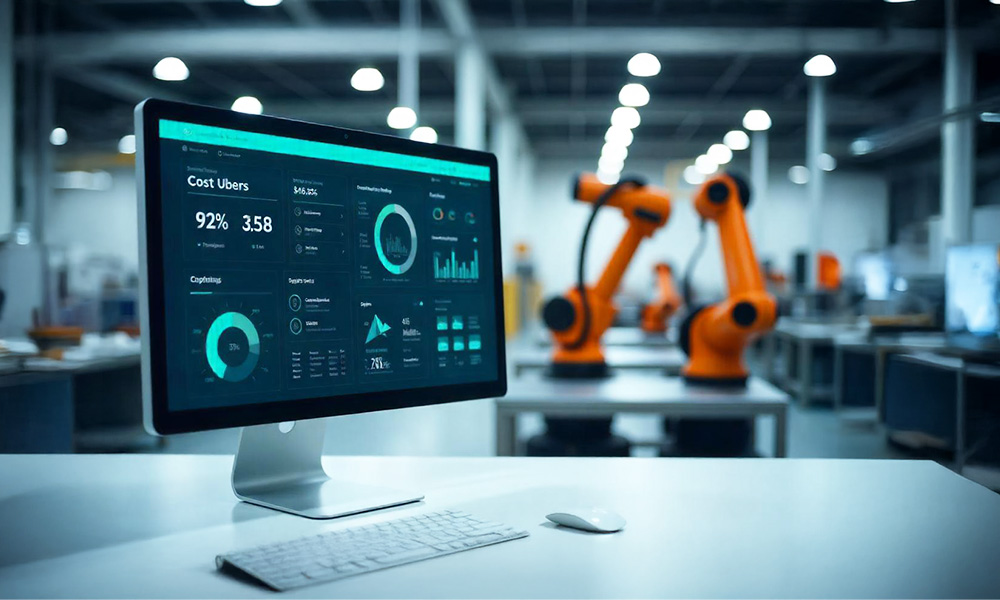
The Hidden Costs of Inefficient Scheduling in Plating and Anodizing And How ERP Can Help In the world of surface finishing, efficiency is everything. Yet, many plating and anodizing shops still rely on outdated or manual scheduling methods, unaware of how much it’s truly costing them. These hidden inefficiencies are more than just operational hiccups; they directly impact profitability, customer satisfaction, and long-term growth. The plating and anodizing industry is notoriously complex, requiring precise timing, specialized materials, and stringent quality control. Whether you’re managing small, high-priority orders or large batches of products with varying needs, improper scheduling can result in cascading delays, overworked staff, wasted materials, and lost business opportunities. The good news is that ERP software, specifically designed for plating and anodizing, can address these challenges and help your business run smoothly, effectively, and profitably. Understanding the Hidden Costs of Inefficient Scheduling Before diving into how ERP can help, it’s important to identify the hidden costs of inefficient scheduling that many plating and anodizing businesses unknowingly face. These inefficiencies don’t just affect day-to-day operations they compound over time, eroding profit margins and impacting customer satisfaction. 1. Increased Downtime and Equipment Inefficiencies In plating and anodizing, machines and equipment are often a significant investment. When scheduling isn’t optimized, equipment may sit idle or run below capacity while waiting for the next job to come in. On the flip side, machines may be overworked, leading to unplanned maintenance and breakdowns. Both of these scenarios lead to lost production time, increased maintenance costs, and lower throughput. 2. Labor Inefficiencies and Overtime Costs A common issue with inefficient scheduling is poor labor management. When jobs aren’t scheduled properly, workers may experience periods of underutilization, leading to wasted labor hours. In other cases, poor planning can lead to last-minute rush jobs requiring overtime, resulting in higher labor costs and potential burnout for employees. 3. Material Wastage and Supply Shortages Plating and anodizing processes rely heavily on specific chemicals and materials. When scheduling is inefficient, businesses may either over-order to avoid running out of stock or under-order, leading to material shortages. Both scenarios waste money either through overstocking and spoilage or through delays and additional shipping costs when materials need to be reordered on short notice. 4. Delays and Missed Deadlines A delay in one part of the process often leads to a ripple effect. If a job isn’t completed on time, it can delay subsequent operations, forcing you to miss delivery deadlines. These delays can result in lost business, decreased customer trust, and a tarnished reputation in the market. 5. Compliance Risks In plating and anodizing, compliance with environmental and quality regulations is crucial. Inefficient scheduling may cause rushed work or missed quality control checks, leading to non-compliance issues. Regulatory fines or the cost of redoing work to meet compliance standards can quickly add up. How PROPLATE™ ERP Software Can Address These Inefficiencies An ERP (Enterprise Resource Planning) system designed for plating and anodizing businesses integrates all aspects of scheduling, material management, labor allocation, and compliance into one streamlined solution. Here’s how ERP software helps eliminate the hidden costs associated with inefficient scheduling: 1. Optimized Scheduling and Resource Allocation An ERP system provides a holistic view of your operations, allowing you to schedule jobs more accurately and allocate resources efficiently. With a centralized platform that tracks job progress, machine availability, and labor needs in real time, you can avoid underutilization or overloading of resources. For example, the system can dynamically reschedule jobs if a high-priority job comes in last-minute or if an issue arises with one of your machines, ensuring that other jobs are not delayed. This enables better control over production timelines, reduces downtime, and ensures smoother operations. 2. Automated Labor and Time Management One of the main costs associated with inefficient scheduling is overtime and poor labor utilization. An ERP system automates labor scheduling, allowing you to match workers with the right jobs at the right time based on their skills, availability, and workload. This prevents underutilization and helps avoid the excessive costs of overtime. Additionally, by providing real-time visibility into labor trends, the system helps you predict when extra shifts are necessary or when you can cut back on labor, optimizing workforce management. 3. Just-in-Time Material Management With the right ERP system, you can monitor material levels in real time and automatically reorder materials as needed. The system uses data from previous jobs to predict when materials will be required, minimizing waste and ensuring that you don’t overstock or run into shortages. This just-in-time approach reduces material wastage, optimizes inventory levels, and keeps your cash flow healthy. 4. Reduced Downtime Through Preventive Maintenance An ERP system designed for plating and anodizing can also track machine performance and maintenance schedules. This helps you anticipate when equipment needs preventive maintenance, reducing unplanned breakdowns that cause production delays. By proactively scheduling maintenance activities, you can extend the lifespan of your equipment and avoid costly repairs, maximizing productivity. 5. Better Compliance Tracking and Quality Control ERP systems provide tools for tracking quality control checks and compliance with industry regulations. From ensuring that all quality control steps are completed to storing necessary compliance documentation, an ERP solution reduces the risk of missing critical inspections. This helps avoid the hidden costs of non-compliance, such as fines, rework, and damaged customer relationships. 6. Data-Driven Insights for Future Scheduling An ERP system doesn’t just help with day-to-day scheduling—it also provides insights for future planning. By analyzing historical data, ERP software can help you predict future demand, seasonal fluctuations, and potential production bottlenecks. With these insights, you can make more informed scheduling decisions and adjust your production capacity to meet upcoming demands. Final Thoughts Inefficient scheduling in plating and anodizing operations can lead to hidden costs that eat into your profits and damage your reputation. From wasted resources and unnecessary labor costs to missed deadlines and compliance risks, these issues have a cumulative effect that can be hard to quantify but impossible to ignore. The solution lies in implementing
How ERP Software Can Solve Inventory Management Challenges in Powder Coating

How ERP Software Can Solve Inventory Management Challenges in Powder Coating When a job stalls because powder inventory runs short or worse, when expired chemicals slip into production it’s not just an inconvenience. It’s lost revenue, damaged trust, and in some cases, failed audits. In today’s powder coating operations, inventory issues aren’t occasional hiccups; they’re persistent barriers to scaling and maintaining quality. Rising customer expectations, tighter environmental regulations, and the shift toward customized, small-batch orders have made inventory control more complex than ever. Yet many businesses still rely on spreadsheets or disconnected tracking tools that can’t keep up with the pace of production. For powder coating facilities that need accuracy, accountability, and speed, traditional systems fall short. What’s needed is an integrated solution—one that not only tracks every gram of powder and chemical but ties that data back to job costs, compliance standards, and real-time shop floor activity. That solution lies in a purpose-built ERP system designed for the surface finishing industry. The Real-World Challenges of Powder Coating Inventory Inventory challenges in powder coating often stem from the complexity of materials and production cycles. Here are some of the most common issues faced by shop floors and plant managers: 1. Untracked Material Consumption Many facilities still rely on manual entries or incomplete tracking systems that fail to record powder consumption per job. This leads to discrepancies between expected and actual usage, resulting in overordering or stockouts. 2. Poor Visibility Across Departments When production, purchasing, and inventory teams work on siloed systems, it’s easy for miscommunication to occur. One team may believe materials are in stock while another has already used or reallocated them. 3. Wasted Stock Due to Expiry or Contamination Without automated alerts or batch tracking, it’s difficult to ensure that powders, pretreatment chemicals, or cleaning agents are used before expiration. This increases waste and environmental compliance risks. 4. Inaccurate Job Costing In powder coating, the cost of consumables directly affects profit margins. If powder coating inventory isn’t linked to job-level consumption data, businesses can’t accurately price their services or assess project profitability. 5. Regulatory and Documentation Gaps Environmental and quality compliance standards (e.g., ISO) require detailed records of chemical usage and safety data. Failing to keep accurate, retrievable records can lead to audit failures and reputational damage. How ERP Software Solves These Problems ERP systems developed specifically for surface finishing processes bring a suite of inventory management tools designed to tackle these challenges head-on. Real-Time Tracking of Powder and Chemical Inventory Modern ERP platforms automatically log powder usage per part or batch, providing a live view of stock levels. With accurate tracking, teams can make better decisions on reordering, prevent material shortages, and avoid last-minute scrambles. Surface Area Calculations for Precise Material Estimation ERP software integrated with surface area calculators enables teams to predict powder consumption before a job even starts. This minimizes over- or under-estimation and aligns inventory forecasts with actual demand. Centralized Data Across Operations A cloud-based ERP system connects shop floor activities with purchasing and finance. This centralized approach ensures that inventory levels are always up to date and visible to every department involved in production and procurement. Automated Alerts and Batch Monitoring Expiration tracking, batch traceability, and compliance notifications help reduce waste and ensure regulatory adherence. Alerts can be configured to warn staff when materials are nearing depletion or when reorder points are met. Job-Level Cost Allocation By linking powder and chemical usage directly to specific jobs, ERP systems offer granular insight into true job costs. This empowers managers to adjust pricing, improve quotes, and maximize profitability. Streamlining Powder Coating Inventory with PROPLATE™ ERP Software For businesses in the powder coating industry, PROPLATE™ offers a purpose-built ERP system that addresses the exact challenges discussed above. It combines real-time powder coating inventory tracking with advanced surface area calculations, chemical test analysis, and job-specific reporting all within one intuitive platform. With PROPLATE™, businesses gain: Live inventory status with material consumption insights Job-to-job cost attribution to track material efficiency Seamless integration with cloud accounting tools Built-in dashboards for operational and inventory analysis Customizable alerts to reduce stockouts and material waste This level of integration and automation not only saves time but directly improves inventory control, shop floor productivity, and compliance performance. Final Thoughts Inventory management in powder coating isn’t just about keeping materials on the shelf, it’s about precision, efficiency, and cost control. As operations become more complex and customer expectations continue to rise, manual methods and disconnected systems are no longer enough. By implementing a purpose-built ERP system, powder coating businesses can take control of their inventory, reduce waste, and scale with confidence. Ready to eliminate inventory blind spots in your powder coating operation? Discover how PROPLATE™ empowers surface finishing businesses with real-time visibility, smarter decision-making, and seamless inventory control. Schedule a Demo Download Now! 8 Proven Surface Finishing Techniques Every Professional Should Know PROPLATE™ delivers a range of features designed to help manufacturers optimize their barrel plating operations, reduce downtime, and minimize costly maintenance. Here’s how it works: 1. Predictive Maintenance: Prevent Issues Before They Happen PROPLATE™ uses advanced data analytics to predict when equipment might fail, allowing manufacturers to address potential issues before they cause disruptions. By continuously tracking the performance of barrel plating equipment—including motor speeds, bath chemistry, and barrel rotation—PROPLATE™ identifies patterns that indicate impending wear or failure. With predictive maintenance alerts, operators and maintenance teams can schedule repairs or replace parts proactively, minimizing unplanned downtime and reducing the risk of major breakdowns. This data-driven approach leads to more efficient operations, fewer equipment failures, and a more reliable barrel plating process. 2. Real-Time Monitoring and Control for Maximum Efficiency Real-time monitoring is one of the most powerful features of PROPLATE™. The software provides continuous data on plating conditions, bath parameters, and equipment performance. This enables operators to identify anomalies or inefficiencies immediately. By adjusting variables like plating time, barrel speed, and bath temperature in real-time, operators can keep the process running smoothly and reduce the chances of failure. Monitoring also helps
Why E-Coating Manufacturers Should Invest in Specialized ERP Systems

Why E-Coating Manufacturers Should Invest in Specialized ERP Systems As demand for corrosion-resistant, environmentally friendly coatings grows, e-coating (electrocoating) has become a critical process in industries ranging from automotive to heavy equipment. But while the technology itself has advanced, many e-coating manufacturers still rely on outdated or generic systems to manage their operations, especially when it comes to production planning, inventory control, compliance, and customer traceability. Generic ERP systems often lack the flexibility and specificity required to handle the intricacies of e-coating workflows. That’s why more businesses are turning to specialized ERP systems designed specifically for surface finishing and coating operations. Here’s why investing in a purpose-built ERP system isn’t just beneficial, it’s becoming essential for e-coating manufacturers who want to stay competitive, compliant, and scalable. The Unique Challenges of E-Coating Operations E-coating may appear seamless on the surface, but the underlying operations are anything but simple. Manufacturers must balance chemistry control, part tracking, tank maintenance, and precise timing, while ensuring they meet customer-specific requirements and regulatory standards. 1. Process Traceability and Compliance E-coating lines involve multiple process stages, from pretreatment and rinse tanks to electrocoat application and curing. Tracking each batch or part through every step is essential for quality assurance, customer audits, and regulatory compliance. Manual logs or spreadsheets often fall short when you need full process visibility at scale. 2. Complex Job Routing and Scheduling Each part may have a different route depending on substrate type, masking needs, or coating specifications. Coordinating this manually leads to scheduling conflicts, missed steps, or bottlenecks that compromise throughput and quality. 3. Chemical and Tank Management Maintaining the right chemistry, temperature, and dwell times across multiple tanks is critical. But without a system that integrates quality checkpoints with maintenance alerts and lab tracking, operators are forced to manage this data in silos leading to avoidable rework or downtime. 4. Inventory and Raw Material Oversight From e-coat chemicals to masking supplies and racking systems, e-coating operations rely on just-in-time inventory. Stock-outs or overordering due to disconnected systems create operational risks and cash flow issues. How Specialized ERP Systems Solve These Problems Unlike generic software, a specialized ERP system built for e-coating and metal finishing offers the tools to manage these complexities with precision. Here’s what such a system brings to the table: 1. End-to-End Process Visibility Track every part through the entire e-coating process—pre-treatment, coating, cure, and inspection. Get real-time status updates and full traceability for each job, from intake to shipping, ensuring quality and accountability. 2. Dynamic Job Scheduling with Routing Rules Specialized ERP systems let you define unique routes for different part types and apply them automatically when jobs are created. This minimizes scheduling errors and optimizes equipment usage across shifts. 3. Integrated Chemical and Maintenance Management Keep a digital record of chemical test results, bath life cycles, and tank maintenance schedules. Receive automated alerts for tank changes, lab tests, and preventive maintenance reducing downtime and ensuring consistent coating quality. 4. Smart Inventory Management E-coating ERP systems track raw material consumption per job, link inventory with purchase orders, and trigger reorders based on minimum stock levels. This helps prevent shortages and reduces waste across consumables and chemicals. 5. Real-Time Costing and Margin Insights By capturing labor, material, and overhead in real-time, you can generate accurate job costing reports—ensuring your quotes remain competitive without cutting into margins. Aligning with Modern E-Coating Business Goals Today’s e-coating manufacturers aren’t just focused on product quality—they’re also seeking: Operational efficiency Scalability across multiple lines or locations Data transparency for customers and auditors Faster quote-to-cash cycles A general ERP solution may help with accounting or HR, but it won’t help you track a masked part through rinse, phosphate, and cure stages—or auto-generate customer invoices based on square footage coated. Only a platform designed for surface finishing understands those nuances. Final Thoughts In an increasingly competitive and regulated market, e-coating manufacturers can no longer afford to operate with fragmented systems or manual processes. A specialized ERP system tailored to the realities of surface finishing can eliminate inefficiencies, reduce costly errors, and provide the visibility needed to make informed business decisions. Whether you’re struggling with complex routing, compliance tracking, or unpredictable inventory needs, it’s time to explore ERP solutions built specifically for your industry. The future of e-coating is connected, data-driven, and intelligent and the right ERP system is the foundation that makes it possible. Schedule a Demo Download Now! 8 Proven Surface Finishing Techniques Every Professional Should Know PROPLATE™ delivers a range of features designed to help manufacturers optimize their barrel plating operations, reduce downtime, and minimize costly maintenance. Here’s how it works: 1. Predictive Maintenance: Prevent Issues Before They Happen PROPLATE™ uses advanced data analytics to predict when equipment might fail, allowing manufacturers to address potential issues before they cause disruptions. By continuously tracking the performance of barrel plating equipment—including motor speeds, bath chemistry, and barrel rotation—PROPLATE™ identifies patterns that indicate impending wear or failure. With predictive maintenance alerts, operators and maintenance teams can schedule repairs or replace parts proactively, minimizing unplanned downtime and reducing the risk of major breakdowns. This data-driven approach leads to more efficient operations, fewer equipment failures, and a more reliable barrel plating process. 2. Real-Time Monitoring and Control for Maximum Efficiency Real-time monitoring is one of the most powerful features of PROPLATE™. The software provides continuous data on plating conditions, bath parameters, and equipment performance. This enables operators to identify anomalies or inefficiencies immediately. By adjusting variables like plating time, barrel speed, and bath temperature in real-time, operators can keep the process running smoothly and reduce the chances of failure. Monitoring also helps maintain consistent plating quality, ensuring that products meet specifications and minimizing the need for rework or scrap. As a result, manufacturers experience less downtime for quality control checks and improvements. 3. Optimized Maintenance Scheduling: Minimize Unnecessary Intervals PROPLATE™ moves beyond traditional maintenance schedules by optimizing maintenance intervals based on real equipment usage and performance. Rather than following generic, time-based maintenance schedules, PROPLATE™ generates maintenance tasks tailored to
How PROPLATE’s Bulk Scheduling Transforms Job Management for Barrel Plating

How PROPLATE’s Bulk Scheduling Transforms Job Management for Barrel Plating When you’re managing hundreds of fast-turn jobs daily, traditional production scheduling tools quickly become the bottleneck. Most ERPs aren’t designed to handle the chaos of real-world barrel plating, where jobs vary in chemistry, load size, and customer urgency, often within the same shift. That’s where PROPLATE™ delivers a purpose-built solution. Designed specifically for high-throughput surface finishing operations, PROPLATE’s Bulk Scheduling feature introduces a level of precision and automation that most jobshops have never experienced. It doesn’t just organize your schedule, it reshapes how you manage every barrel, every shift, every day. The Challenge: Volume Without Visibility Barrel plating is designed for scale. It’s ideal for coating large quantities of small parts efficiently, but with scale comes complexity. Without the right software, shops struggle with: Manual rescheduling when job priorities change Unoptimized tank usage and excessive downtime Inconsistent load planning and surface area calculations Limited visibility into real-time job progress Bottlenecks that ripple through the entire operation Traditional ERPs and spreadsheets weren’t built for the dynamic, volume-driven nature of barrel plating and it shows. The PROPLATE™ Advantage: Bulk Scheduling Built for Barrel Plating PROPLATE™ is not generic manufacturing software. It’s a Barrel Plating Software solution engineered by surface finishing experts to solve industry-specific challenges. And its Bulk Scheduling tool is one of its most impactful innovations. Here’s how it transforms job management: 1. Batch Smarter, Not Harder PROPLATE™ lets you group jobs by part material, surface area, process chemistry, and more creating high-efficiency batches that reduce changeovers and chemical waste. It’s smart scheduling that understands the chemistry behind the job. 2. Real-Time Schedule Sync Across the Shop Once jobs are scheduled in bulk, every station from loading to inspection sees live updates. Operators don’t need to guess what’s next. Supervisors don’t need to track down paperwork. Everything is synchronized and accessible from any workstation. 3. Drag-and-Drop Flexibility Rush order? Equipment downtime? No problem. With PROPLATE™, schedulers can instantly adjust jobs using a drag-and-drop interface, and the system automatically recalculates timelines, tank availability, and resource loads. 4. Load Optimization by Surface Area PROPLATE™ calculates the surface area for each part and recommends the optimal number of parts per barrel. This ensures that loads are not only efficient but also within plating quality limits boosting both throughput and compliance. 5. Integrated Job Tickets and QA Checkpoints Each scheduled job auto-generates a digital job ticket with process specs, racking instructions, and QA checkpoints. This ensures every barrel follows documented standards, improving traceability and reducing rework. Why It Matters: Measurable Impact on the Shop Floor PROPLATE™’s Bulk Scheduling is more than a digital calendar, it’s an operational upgrade. Jobshops using PROPLATE™ report: Up to 25% increase in tank utilization Fewer missed deadlines due to late-stage rescheduling Reduced operator downtime and increased shift productivity Improved on-time delivery and customer satisfaction In short, it turns your schedule into a strategic asset instead of a daily firefight. Conclusion Managing complexity is part of barrel plating but struggling with it doesn’t have to be. With PROPLATE™’s Bulk Scheduling, you can streamline your workflow, optimize resources, and stay ahead of production chaos. Discover how PROPLATE™ can transform your barrel plating operation schedule demo today. Schedule a Demo Download Now! 8 Proven Surface Finishing Techniques Every Professional Should Know PROPLATE™ delivers a range of features designed to help manufacturers optimize their barrel plating operations, reduce downtime, and minimize costly maintenance. Here’s how it works: 1. Predictive Maintenance: Prevent Issues Before They Happen PROPLATE™ uses advanced data analytics to predict when equipment might fail, allowing manufacturers to address potential issues before they cause disruptions. By continuously tracking the performance of barrel plating equipment—including motor speeds, bath chemistry, and barrel rotation—PROPLATE™ identifies patterns that indicate impending wear or failure. With predictive maintenance alerts, operators and maintenance teams can schedule repairs or replace parts proactively, minimizing unplanned downtime and reducing the risk of major breakdowns. This data-driven approach leads to more efficient operations, fewer equipment failures, and a more reliable barrel plating process. 2. Real-Time Monitoring and Control for Maximum Efficiency Real-time monitoring is one of the most powerful features of PROPLATE™. The software provides continuous data on plating conditions, bath parameters, and equipment performance. This enables operators to identify anomalies or inefficiencies immediately. By adjusting variables like plating time, barrel speed, and bath temperature in real-time, operators can keep the process running smoothly and reduce the chances of failure. Monitoring also helps maintain consistent plating quality, ensuring that products meet specifications and minimizing the need for rework or scrap. As a result, manufacturers experience less downtime for quality control checks and improvements. 3. Optimized Maintenance Scheduling: Minimize Unnecessary Intervals PROPLATE™ moves beyond traditional maintenance schedules by optimizing maintenance intervals based on real equipment usage and performance. Rather than following generic, time-based maintenance schedules, PROPLATE™ generates maintenance tasks tailored to each piece of equipment. This ensures that maintenance activities occur only when needed, reducing unnecessary downtime and avoiding costly repairs caused by over-servicing. By automating the maintenance schedule based on actual data, PROPLATE™ helps businesses balance cost savings with equipment longevity. 4. Automated Data Collection and Reporting Manual maintenance tracking and reporting are prone to errors, leading to missed maintenance tasks and inaccurate data. PROPLATE™ eliminates these challenges by automating data collection and reporting. Every aspect of the barrel plating process—from plating bath levels to equipment performance—is automatically logged, giving maintenance teams accurate, up-to-date information for decision-making. The software generates comprehensive maintenance logs, downtime reports, and equipment performance analytics, allowing teams to track trends, identify areas for improvement, and ensure that all equipment is in top condition. 5. Improved Resource Allocation and Workforce Efficiency By reducing unplanned downtime and streamlining maintenance activities, PROPLATE™ helps optimize resource allocation. Maintenance teams can focus on critical tasks that directly impact production, while operators can continue running barrel plating operations with minimal interruptions. This improved resource allocation results in higher productivity, lower operational costs, and a more efficient use of labor. Additionally, with less time spent troubleshooting