
The Future of Surface Finishing: How AI and Automation Are Transforming the Industry
The Future of Surface Finishing: How AI and Automation Are Transforming the Industry Artificial intelligence (AI) and automation advancements are reshaping how industries operate in the modern manufacturing landscape. One area experiencing significant transformation is metal surface finishing. This crucial process enhances metal products’ durability, aesthetics, and performance. With the integration of AI and automation, the metal surface finishing industry is poised to reach new heights in efficiency and quality. This blog will delve into recent advancements in AI and automation, highlight case studies, and explore how PROPLATE™ is at the forefront of these innovations with its metal finishing software and manufacturing ERP software. Recent Advancements in AI and Automation in Surface Finishing Incorporating AI and automation in surface finishing processes has introduced several groundbreaking advancements. These technologies are enabling manufacturers to achieve unprecedented precision and consistency. Here are some key developments: AI-Powered Quality Control AI algorithms can now analyze vast amounts of data from surface finishing processes, identifying patterns and anomalies that human inspectors might miss. This leads to higher-quality finishes and reduced defect rates. AI systems can predict potential issues before they arise, allowing for preemptive adjustments. Automation in Surface Preparation Automation has streamlined surface preparation tasks such as cleaning, polishing, and coating. Robotic systems can perform these tasks faster and more accurately than manual methods. For example, automated polishing robots can maintain consistent pressure and movement, producing uniform finishes across large batches of metal products. Predictive Maintenance AI-driven predictive maintenance tools are revolutionizing equipment upkeep. By monitoring machinery in real-time and analyzing performance data, these tools can predict when maintenance is needed, reducing downtime and extending the equipment’s lifespan. Read More – Unlocking Data-Driven Results: AI’s Impact on Surface Finishing Case Studies and Success Stories Adopting AI and automation in metal surface finishing is not just theoretical. Numerous companies have successfully implemented these technologies, yielding impressive results. Here are a few notable examples: Case Study 1: Automotive Industry An automotive manufacturer integrated AI-powered quality control systems into their surface finishing process. The result was a 30% reduction in defect rates and a significant improvement in the overall quality of their vehicle components. This implementation also led to cost savings by reducing the need for rework and scrap. Case Study 2: Aerospace Sector Precision and reliability are paramount in the aerospace sector. An aerospace company utilized automated surface preparation robots to achieve highly uniform finishes on critical components. This enhanced the parts’ performance and longevity and reduced production times by 40%. Case Study 3: Consumer Electronics A leading consumer electronics company employed AI-driven predictive maintenance for their surface finishing equipment. By proactively predicting and addressing maintenance needs, they minimized downtime and maximized production efficiency, resulting in a 25% increase in output. PROPLATE™ Integration of AI and Automation PROPLATE™ is pioneered in integrating AI and automation into their metal surface finishing operations. Their innovative approach leverages cutting-edge technologies to deliver superior results for their clients. Here’s how they are leading the way: Advanced Metal Finishing Software PROPLATE™ metal finishing software incorporates AI algorithms to monitor and optimize the finishing process. This software analyzes real-time data to ensure consistent quality and identify areas for improvement. It also provides detailed reports, enabling manufacturers to track performance and make informed decisions. Manufacturing ERP Software The manufacturing ERP software seamlessly integrates with surface finishing operations, offering a comprehensive solution for managing production workflows. This software enhances coordination between different manufacturing stages, from surface preparation to final inspection, ensuring a smooth and efficient process. Custom Solutions PROPLATE™ works closely with clients to develop customized solutions that meet their needs. Whether automating a particular surface finishing task or implementing AI-driven quality control systems, PROPLATE™ tailors their approach to achieve optimal results. Conclusion The future of metal surface finishing is bright, thanks to the transformative power of AI and automation. These technologies drive significant improvements in quality, efficiency, and cost-effectiveness across the industry. Companies like PROPLATE™ are at the forefront of this revolution, leveraging advanced metal-finishing software and manufacturing ERP software to deliver innovative solutions. As the industry evolves, embracing these advancements will be crucial for staying competitive and meeting the growing demands for high-quality metal products. To learn more about how PROPLATE™ innovative solutions can transform your surface finishing operations, visit the website today. Discover how cutting-edge technologies can help you achieve superior results and stay ahead in the competitive manufacturing landscape. Schedule a Demo Download Now! 8 Proven Surface Finishing Techniques Every Professional Should Know
Streamline Your Operations: How Manufacturing ERP Software Revolutionizes Production
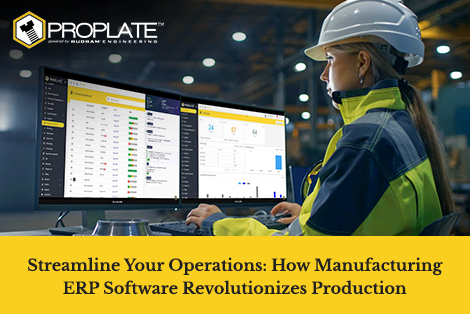
Streamline Your Operations: How Manufacturing ERP Software Revolutionizes Production Companies cannot afford to slow down the production line, so they need to cut down the time it takes to complete production. When making a product, every step needs to be efficient to allow for timely delivery on the market, good quality, and relative affordability in terms of cost. This is where Manufacturing ERP Software (Enterprise Resource Planning) will help to solve many problems. Let us explore how this ERP software transforms production activities and effectively aligns several industries. Understanding Manufacturing ERP Software Manufacturing ERP software may be described as an all-encompassing system that deals with everyday critical operational tasks, including inventory, production scheduling, creating schedules for different resources to be applied, etc. Here, all the actual and potential data and activities are collected and organized, facilitating the decision-making process. Relevance and Importance Global consumers are other essential stakeholders that pressure manufacturers to be innovative and adaptable to the prevailing market trends. These tasks make it imperative to consider other demands beyond traditional production management that require solutions different than spreadsheets or isolated systems. Manufacturing ERP software provides a centralized solution that organizes and optimizes the various manufacturing processes, including the procurement of materials and the final product supply. Read More – Innovative Solutions: Heat Treatment Services for Enhanced Material Performance Types and Categories On-Premises ERP Systems Organizational ERP includes implementing a set of software within an organization’s network and managing it within that organization. This arrangement gives strategic control of resources and flexibility in resource allocation for processes while demanding more infrastructure investment and IT support. Cloud-Based ERP Solutions On the other hand, cloud ERPs are deployed on distant servers, and the user can access this software application over the World Wide Web. Advantages include scalability, flexibility, availability, suitability for companies of any size, especially SMEs, and potential for SME manufacturers. Industry-Specific ERP Modules Manufacturing ERP software is designed to incorporate particular manufacturing sectors with functionality that meets the needs of the industry (such as automobile, aerospace, electronics, and pharma sectors, etc. These help complete tasks or deal with situations that need specific features and facilities in each industry. Symptoms and Signs Inefficient Production Planning The first obvious sign that a manufacturing business needs an ERP module is that the operation lacks efficiency in production planning. When proper plans and schedules are lacking, independent factors such as material availability, equipment unavailability, and production delays can occur, causing high costs and unsatisfied clients. Inventory Management Challenges Another problem that ERP software solves is the organization of Inventories, where problems like Overstocking and Short-stocking often occur. Peculiarities in inventory management, such as inventory inaccuracies, stockouts, or overstocking, result in lost sales or increased costs, such as carrying or wastage of supplies. Lack of Real-Time Visibility The lack of such real-time performance data can make it difficult for manufacturers to make intelligent decisions and adapt promptly to fluctuating market conditions. It could also leave unknown KPIs such as production rates, resource allocation, and order state. Causes and Risk Factors While there may be other reasons for using local legacy systems and siloed data, all of them point to the fact that most organizations have some legacy technologies and have made decisions to accept siloed data in some cases. It has been observed that different manufacturing companies still use standalone conventional systems and essential paperwork for integrated workflows, which results in dataset segregation and disconnected operations in various departments. This disconnect affects multiple subdivisions of the organization, leading to communication breakdowns, inefficient workflow, and more. Rapid Growth and Scale All manufacturing firms develop in size and function, and with development comes the need for change in the relevant systems and procedures that the firm employs. The existing architectures might fail to meet the increased demands regarding a growing number of transactions, complex supply systems, and a greater number of companies operating worldwide. Globalization and Increased Supply Chain-Covered Anxiety The emergence of global markets implies that supply networks are more complicated, prompting manufacturers to acquire resources, parts, and products from many international sources. These long and complex supply chains cannot be managed with simple applications and must be supported by advanced ERP systems that follow the stock, production plans, and logistic processes. Diagnosis and Tests Business Process Assessment When selecting ERP software, companies should initially review their current operations and look for frustrations, issues, and gaps that require fixing. This provides the foundation for selecting the best-developed and best-fit ERP solution for the organization. Vendor Evaluation and Selection Selecting the best ERP vendor is an important decision that determines the entire success of the ERP implementation program. For vendors, manufacturers need to define criteria for functionality, scalability, industry specialization, degree of implementation support, and genuine overall cost of ownership (TCO). Customization and Configuration After choosing a particular vendor, the ERP software may need some additional amendments and setup that correspond to an organization’s certain business processes. This level of customization ensures that the ERP system meets the pertinent needs of the manufacturing operation and ensures optimal returns. Treatment Options ERP Implementation The ERP implementation plan will involve installing the selected ERP software, converting data from existing systems, creating awareness among users and other stakeholders, and changing to a new system. Three areas, project management, change management, and user training, must be addressed to improve the outcome of a particular ERP implementation. Process Optimization It can also facilitate reevaluating and streamlining current business practices to align with best practices, industry requirements, and accountability standards for manufacturing businesses. Several methods that manufacturers can use to enhance their flow of operation and keep achieving improvement include ensuring that they align their business processes with the best practices within their industries and utilizing their ERP systems accordingly. Change Management Therefore, change management strategies must be employed to overcome resistance to change, adopt the change process, and gain commitment from all organizational levels for successful ERP implementation. A few best practices that serve as valuable guidelines to establish a
Empower Your Surface Finishing Business: Introducing PROPLATE™, the Ultimate SaaS Solution

Empower Your Surface Finishing Business: Introducing PROPLATE™, the Ultimate SAAS Solution Are you tired of the complexities and inefficiencies plaguing your surface finishing business? Do you struggle to manage orders, track processes, and stay on top of quality control? If so, it’s time to revolutionize your operations with PROPLATE™, the all-in-one surface finishing solution designed to streamline your processes and empower your business for success. PROPLATE™: The All-in-One Surface Finishing Solution PROPLATE™ is more than just software; it’s a comprehensive platform designed to meet all your surface finishing needs. Whether you’re involved in barrel zinc plating, rack zinc plating, electroless nickel plating, deburring, cleaning, heat treating, wet painting, powder coating, anodizing, galvanizing, sealants, dyes, waxes, oils, passivates, or any other surface finishing process, PROPLATE™ has you covered. Easy-To-Use Plant Management Software Gone are the days of complicated and outdated software systems. With PROPLATE™, you can enjoy the simplicity and convenience of a cloud-based solution. Hosted on Microsoft Azure Cloud, PROPLATE™ offers enterprise-level operational software without the need for internal IT resources. Say goodbye to expensive upfront costs – PROPLATE™ is available through an economical monthly subscription. Shop Floor Management Track your orders easily at every step of the process. PROPLATE™ features a streamlined quality assurance system designed according to ISO guidelines, ensuring increased productivity and customer satisfaction. Powerful Smart Scheduling Forget about manual updates and paperwork. With PROPLATE™, you can create dynamic schedules that update in real time across all stations. Say hello to increased efficiency and reduced downtime. Load Side Control Based on Surface Area Calculations Say goodbye to guesswork. PROPLATE™ calculates complex part surface areas and optimal part-load capacities, ensuring precise and efficient processing every time. Chemical Test Analysis & Reporting Track your chemical concentrations and costs with ease. PROPLATE™ features a business intelligence reporting system for tank chemistry and chemical costs, allowing you to make informed decisions and optimize your processes. Built-In Quotation & Invoicing System Generating quotes has never been easier. With PROPLATE™, you can create and manage quotes with just a few clicks. Plus, PROPLATE™ integrates seamlessly with your accounting software for added convenience. Data Analytics with Dynamic Dashboards Gain valuable insights into your operations with PROPLATE™’s dynamic dashboards. Compare productivity, efficiency, and cost reduction to maximize profitability and drive growth. Time Restrictions Stay compliant with SAE and ISO standards. PROPLATE™ features accurate time warnings for specific process areas, preventing parts from being under or overtreated. Purchase Order Movement Streamline your processes from start to finish. PROPLATE™ provides essential processing information for employees and management, ensuring every facet of the order is addressed. Shipping/Receiving/Order Entry Simplify your shipping and receiving processes with PROPLATE™. Electronic shipping and bill of lading creation reduce paperwork and save time, allowing you to focus on production activities. Scheduling Optimize your workforce with PROPLATE™’s intelligent scheduling capabilities. Reduce labor costs and improve efficiency with dynamic scheduling updates. Billing Say goodbye to manual billing processes. With PROPLATE™, orders are billed within 24 hours of shipping, reducing administrative overhead and improving cash flow. Quoting Streamline your quoting process with PROPLATE™. Generate quotes quickly and accurately, allowing you to win more business and maximize profitability. Lab Analysis Optimize your lab resources with PROPLATE™. Tank chemistries are tied to production activities, ensuring timely and accurate analysis and preventing wasted time and resources. Floor Supervisor Empower your supervisors with PROPLATE™. With improved processes and reduced administrative tasks, supervisors can focus on meeting customer commitments and driving productivity. Paper Savings Go green with PROPLATE™. Eliminate the need for printing and paperwork, reducing costs and environmental impact. Read More – Innovative Solutions: Heat Treatment Services for Enhanced Material Performance Partner with PROPLATE™ to Digitize, Automate, and Optimize Your Job Shop Are you ready to take your surface finishing business to the next level? Partner with PROPLATE™ and unlock the full potential of your operations. With actionable data for growth, reduced operating costs, and seamless integration with your current systems, PROPLATE™ is the ultimate solution for empowering your business. Experience the power of PROPLATE™ for yourself. Schedule a demo today and discover how PROPLATE™ can revolutionize your surface finishing business. Business Integration & Support Seamless integration with your current system without losing any historical data. On-demand consulting services are also available to ensure your success every step of the way. Don’t let inefficiencies hold your business back. Empower your surface finishing business with PROPLATE™ and embrace a future of digitization, automation, and optimization. Schedule a Demo Download Now! 8 Proven Surface Finishing Techniques Every Professional Should Know
Innovative Solutions: Heat Treatment Services for Enhanced Material Performance

Innovative Solutions: Heat Treatment Services for Enhanced Material Performance More so, in the manufacturing and materials engineering disciplines, it is always essential to get the best from a given material so that when used in other products or components, it will be effective in terms of durability, reliability, and functionality. Heat treatment services are one of the latest industry solutions that have attracted much attention recently. So, to make it easier for you to understand the role and the importance of heat treatment, along with its techniques, we will focus on it in this blog post with samples to show you how and why heat treatment is used across different industries. Understanding Heat Treatment Services What is Heat Treatment? Heat treatment refers to a wide array of fabrication and treatment procedures that utilize heating and cooling processes to impart specific changes to the properties of a material, particularly metals or alloys. Depending on the actual conditions of using the materials, the potential aim is to increase the extent of hardness strength, toughness and ductility, and corrosion resistance. Importance of Heat Treatment These are the primary reasons heat treatment is crucial in automotive, aerospace, construction, energy, machinery, and other product manufacturing businesses. Heat treatment alters the microstructure and performance of materials when used in various operational environments. This increases service life, lowers maintenance costs, and improves product quality. Techniques of Heat Treatment Annealing It involves heating the material to a particular temperature followed by cooling for an extended period to the average temperature to reduce the internal stresses and refine the grain structure to enhance the material’s ease of machining and toughness. It is also extensively employed to provide WIS with a soft structure in forging or turning processes. Quenching Heat treatment generally involves heating and cooling metal to alter its properties. One form of heat treatment is quenching, which is rapidly cooling a material heated to high temperatures below or at ambient temperature. The above cooling causes the formation of a rich martensitic phase that adds to high strength and hardness but reduces the material’s toughness. Tempering Tempering is a post-quenching heat treatment process in which the quenched and tempered material is reheated to a specific temperature and then cooled under controlled conditions. This process reduces the brittleness induced by quenching while retaining the desired level of hardness and improving toughness and ductility. Normalizing Normalizing is similar to annealing but involves cooling the material in still air instead of a controlled furnace atmosphere. It produces a more uniform microstructure and grain size distribution, improving mechanical properties and dimensional stability. Case Hardening Case hardening is a quenching and tempering process that reduces the carbon content of the material’s surface while keeping it low at the core. This provides a hard surface layer and a tough core, respectively. Applications of Heat Treatment Automotive Industry In the automotive industry, heat treatment improves the mechanical properties of engine components, transmission parts, chassis components, and suspension systems. Heat-treated parts are more robust, have better life and strength, and wear and fatigue properties, improving the vehicle’s performance. Aerospace Industry In the aerospace industry, heat treatment is very important in manufacturing aircraft engines, landing gear, structural parts, and turbine blades. Heat-treated materials are subjected to high temperatures, pressures, and loading conditions typical of aerospace applications to enhance the safety, reliability, and performance of aerospace systems. Construction Industry In the construction sector, heat treatment produces structural steel components, rebars, and high-strength fasteners for buildings, bridges, highways, and other infrastructural developments. Heat-treated materials exhibit superior strength, toughness, and corrosion resistance, enhancing structural integrity and longevity. Energy Industry In the energy industry, heat treatment is utilized to manufacture components for power generation, transmission, and distribution systems, including turbines, boilers, pumps, and pipelines. Heat-treated materials withstand harsh operating conditions such as high temperatures, pressures, and corrosive environments, ensuring reliable energy production and delivery. Read More – Navigating the Digital Era: AI’s Influence on Modern Surface Finishing Practices Advantages of Heat Treatment Improved Mechanical Properties Heat treatment improves the mechanical characteristics of materials, such as their hardness, strength, ductility, and fatigue resistance, allowing them to support loads better and resist failure. Enhanced Wear Resistance Heat treatment enhances the mechanical properties of components, increasing their surface hardness and wear resistance. Thus, the components are suitable for applications where they are likely to be exposed to wear and tear through friction or corrosion. Greater Dimensional Stability Heat treatment reduces internal stresses and distortions in the material, enhancing dimensional stability and tighter tolerances required for precision engineering. Tailored Properties Heat treatment allows the modification of the material’s properties to achieve the desired performance characteristics, which is crucial for its optimal use. Heat treatment with PROPLATE™ Transform your heat treatment shop and optimize results with PROPLATE™, where profit and efficiency go hand in hand. PROPLATE™, its complete reporting system, enables management to control their heat treatment job shops’ profitability easily. Monitor how much time employees spend on each process step and perform detailed evaluations of job profitability and the possibility of adjusting prices on the fly. Said goodbye to the tedious late-night production summaries PROPLATE™ has got you covered and is available whenever you need it. Welcome to efficient and easy capacity management and scheduling, a hassle-free way of managing your production in different lines of business through easily understandable features. Optimize the time of heat treatment processes and be able to adjust the schedules as often as necessary to accommodate the fluctuations in customer requirements. With the smooth integration of quoting and estimating, the system can generate and provide job estimates based on your operations. Generate professional-looking quotes quickly and manage critical sales information without much hassle and in a very organized manner. Schedule a Demo Conclusion In conclusion, heat treatment services offer a versatile and effective solution for enhancing the performance of materials across various industries. By modifying the microstructure and properties of metals and alloys, heat treatment enables manufacturers to achieve superior mechanical properties, wear resistance, and dimensional stability in their products
Navigating the Digital Era: AI’s Influence on Modern Surface Finishing Practices
Navigating the Digital Era: AI’s Influence on Modern Surface Finishing Practices In today’s rapidly evolving digital landscape, artificial intelligence (AI) is revolutionizing industries across the board, and surface finishing is no exception. AI is unimaginably reshaping modern surface finishing practices, from optimizing processes to enhancing quality control. In this blog post, we’ll explore the profound influence of AI on surface finishing and how businesses can navigate this digital era to stay ahead of the curve. Understanding AI in Surface Finishing AI automates and optimizes various processes in surface finishing, including surface preparation, coating application, quality inspection, and defect detection. Manufacturers can achieve higher efficiency, consistency, and quality in finishing operations by leveraging AI-powered solutions. The Impact of AI on Modern Surface Finishing Practices Process Optimization AI algorithms analyze historical data and real-time production metrics to identify inefficiencies and optimize surface-finishing processes. AI improves productivity, reduces waste, and enhances overall process efficiency by predicting optimal process parameters and adjusting settings in real-time. Quality Control and Inspection AI-based vision systems and sensors inspect surfaces for defects, inconsistencies, and imperfections with unprecedented accuracy and speed. By detecting defects early in production, AI minimizes rework, scrap, and customer returns, ensuring that finished products meet the highest quality standards. Predictive Maintenance AI-enabled predictive maintenance systems monitor equipment performance, analyze sensor data, and predict potential equipment failures before they occur. By scheduling maintenance proactively and minimizing unplanned downtime, AI maximizes equipment uptime, extends asset lifespan, and reduces maintenance costs. Navigating the Digital Era with AI in Surface Finishing Embrace Technology Integration To harness AI’s full potential in surface finishing, businesses must embrace technology integration and invest in AI-powered solutions tailored to their specific needs and workflows. Collaborating with AI vendors and experts can help companies to identify opportunities for automation and optimization across their surface-finishing operations. Invest in Training and Education As AI becomes increasingly prevalent in surface finishing, investing in employee training and education is essential to ensure smooth implementation and adoption. Training programs should focus on familiarizing workers with AI technologies, building digital literacy skills, and fostering a culture of continuous learning and innovation. Foster Collaboration and Innovation In the digital era, collaboration and innovation are key drivers of success in surface finishing. Businesses should encourage cross-functional collaboration between surface finishing experts, data scientists, and AI engineers to develop innovative solutions that enhance process efficiency, quality, and sustainability. Emphasize Data Security and Privacy As AI relies on vast amounts of data for training and decision-making, ensuring data security and privacy is paramount. Businesses must implement robust cybersecurity measures, data encryption protocols, and access controls to protect sensitive information and comply with regulatory requirements. Read More – Improve your Plating using intelligence from Chemical Analysis and your PLC data. The Future of Surface Finishing with AI Continuous Advancements in AI Technology As AI technology advances, we expect to see further innovations in surface finishing, including more sophisticated AI algorithms, advanced robotics, and autonomous systems. These advancements will drive greater efficiency, accuracy, and customization in surface finishing processes, enabling manufacturers to meet evolving customer demands and industry standards. Integration with Industry 4.0 Technologies AI will play a central role in integrating surface finishing operations with other Industry 4.0 technologies, such as the Internet of Things (IoT), big data analytics, and cloud computing. This interconnected ecosystem will enable seamless data exchange, real-time monitoring, and predictive analytics, paving the way for future smart factories. Sustainable and Eco-Friendly Practices AI-powered surface finishing solutions will also contribute to the adoption of sustainable and eco-friendly practices in manufacturing. By optimizing processes, reducing waste, and minimizing environmental impact, AI enables manufacturers to achieve their sustainability goals while maintaining competitiveness in the global marketplace. About PROPLATE™ PROPLATE™ is the ultimate all-in-one surface finishing solution platform meticulously designed to revolutionize your operations and services. With its comprehensive suite of tools and features, PROPLATE™ offers unparalleled efficiency and convenience in managing all aspects of surface finishing processes. From streamlined project management to seamless communication with clients, PROPLATE™ empowers businesses to optimize their workflows, enhance productivity, and deliver exceptional results. Whether a small-scale operation or a large manufacturing facility, PROPLATE™ provides the tools to streamline your operations, elevate your services, and stay ahead in today’s competitive market. Schedule a Demo Conclusion In conclusion, AI transforms modern surface finishing practices, driving efficiency, quality, and innovation in the digital era. By embracing AI-powered solutions, businesses can optimize processes, enhance quality control, and stay ahead of the curve in today’s competitive landscape. As AI technology continues to evolve, the future of surface finishing holds exciting possibilities for greater efficiency, sustainability, and collaboration across the industry. Download Now! 8 Proven Surface Finishing Techniques Every Professional Should Know
How a surface area-based load calculation can optimize your production!

How a Surface Area-Based load Calculation Can Optimize Your Production! Optimizing production processes in today’s fast-paced manufacturing landscape is crucial for staying competitive. Load calculation is a key aspect of this optimization and is vital in resource allocation and production planning. Traditional load calculation methods have served well, but technological advancements have paved the way for more sophisticated approaches, such as surface area-based load calculation. Understanding Load Calculation Definition and Basics Load calculation involves determining the amount of work a system can handle or the resources required to complete a task. It considers various factors such as materials, equipment, and environmental conditions to ensure optimal performance. Traditional Methods vs. Surface Area-Based Methods Traditional load calculation methods often rely on simplistic models that may not account for all relevant variables. On the other hand, surface area-based methods consider the specific surface area of objects or materials involved, providing a more accurate estimation of load requirements. Benefits of Surface Area-Based Load Calculation Increased Accuracy Surface area-based load calculation offers unparalleled accuracy compared to traditional methods. By accounting for the actual surface area of objects or materials, this approach provides precise load estimations, leading to more effective production planning and resource allocation. Enhanced Efficiency With accurate load calculations, production processes can be streamlined for maximum efficiency. Surface area-based methods minimize waste and downtime by ensuring that resources are allocated optimally, ultimately boosting productivity. Cost Reduction Optimizing resource utilization through surface area-based load calculation translates into significant business cost savings. By minimizing excess materials and avoiding overloading equipment, companies can reduce operational expenses and improve their bottom line in the long run. Applications of Surface Area-Based Load Calculation Manufacturing Industry In manufacturing, surface area-based load calculation is invaluable for optimizing production lines and maximizing throughput. By accurately estimating load requirements, manufacturers can ensure smooth operations and timely delivery of products to customers. Logistics and Supply Chain Efficient logistics and supply chain management rely on accurate load calculations to ensure timely delivery of goods. Companies can minimize transportation costs and improve efficiency by incorporating surface area-based methods into inventory management and distribution processes. Construction and Engineering In the construction industry, load calculation is critical for ensuring the integrity and safety of building and infrastructure projects. Surface area-based methods help engineers accurately assess load requirements and design structures that withstand various environmental conditions and loads. Read More – Improve your Plating using intelligence from Chemical Analysis and your PLC data. Challenges and Solutions Data Collection and Analysis One of the primary challenges in surface area-based load calculation is gathering accurate surface area data for objects or materials involved. However, advancements in technology, such as 3D scanning and modeling, are making this task more accessible and more precise. Integration with Existing Systems Another challenge is integrating surface area-based methods with existing production systems and workflows. Companies may encounter compatibility issues with legacy systems, but seamless integration is achievable with proper planning and implementation strategies. Training and Implementation Additional hurdles companies may face include training the workforce on surface area-based load calculation and overcoming resistance to change. However, investing in employee training and emphasizing the benefits of the new approach can facilitate smooth adoption and implementation. Future Trends and Innovations AI and Machine Learning Integration Integrating artificial intelligence (AI) and machine learning technologies will revolutionize surface area-based load calculation. These technologies enable predictive analytics for accurate load forecasting and real-time optimization of production processes. Automation and Robotics Automation and robotics are also poised to play a significant role in surface area-based load calculation, particularly in industries such as manufacturing and logistics. Automated systems can adjust loads in real time and optimize production efficiency without human intervention. IoT and Sensor Technology Advances in the Internet of Things (IoT) and sensor technology offer new opportunities for improving surface area-based load calculation. IoT devices and sensors can collect real-time data on load conditions, allowing for more accurate and dynamic load calculations. By embracing a data-driven approach to plating process management, you can achieve superior plating quality, improve operational efficiency, reduce waste, and gain a competitive edge in the market. At , we understand data’s critical role in optimizing plating processes. Our team of experts can assist you in implementing a comprehensive data management and analytics solution tailored to your specific needs. Contact us today to learn how you can unlock the full potential of your plating operations through the power of data. Expert Insights and Recommendations Quotes from Industry Experts “Surface area-based load calculation represents a paradigm shift in production optimization, offering unprecedented accuracy and efficiency.” – Dr. John Smith, Manufacturing Expert. “By leveraging surface area data, companies can make informed decisions that drive operational excellence and competitive advantage.” – Sarah Johnson, Logistics Consultant. About PROPLATE™ PROPLATE™ is the ultimate all-in-one surface finishing solution platform meticulously designed to revolutionize your operations and services. With its comprehensive suite of tools and features, PROPLATE™ offers unparalleled efficiency and convenience in managing all aspects of surface finishing processes. From streamlined project management to seamless communication with clients, PROPLATE™ empowers businesses to optimize their workflows, enhance productivity, and deliver exceptional results. Whether a small-scale operation or a large manufacturing facility, PROPLATE™ provides the tools to streamline your operations, elevate your services, and stay ahead in today’s competitive market. Download Now! 8 Proven Surface Finishing Techniques Every Professional Should Know Schedule a Demo Conclusion In conclusion, surface area-based load calculation is a powerful tool for optimizing production processes across various industries. Providing accurate load estimations, enhancing efficiency, and reducing costs enables companies to stay ahead of the curve in today’s competitive business landscape. Embracing surface area-based methods and staying abreast of future trends and innovations is vital to unlocking the full potential of production optimization.
Improve your Plating using intelligence from Chemical Analysis and your PLC data.
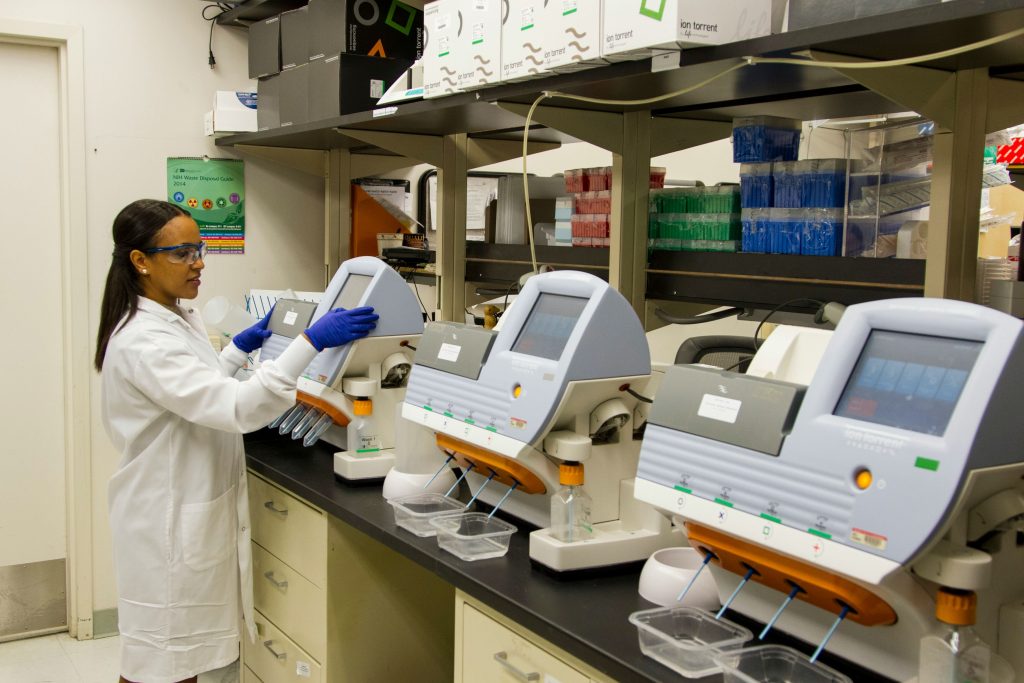
Improve your Plating using intelligence from Chemical Analysis and your PLC data. In today’s fast-paced manufacturing environment, precise control and optimization of plating processes are crucial for achieving consistent, high-quality results. Traditional methods of monitoring and adjusting plating parameters can be time-consuming, reactive, and prone to human error. However, by harnessing the power of data from chemical analysis and PLC (Programmable Logic Controller) systems, you can gain a deeper understanding of your plating processes and proactively optimize them for superior results. The Importance of Chemical Analysis Chemical analysis plays a pivotal role in ensuring the health and performance of your plating baths. Regular analysis of critical parameters such as pH, metal concentration, and additive levels can provide valuable insights into the state of your plating solutions. By closely monitoring these parameters, you can identify deviations early and take corrective actions before they impact your plating quality or efficiency. Integrating Chemical Analysis Data You can unlock many optimization opportunities by integrating chemical analysis data with plating process control systems. Automated data acquisition and analysis allow you to track trends, identify correlations, and make informed decisions based on real-time insights. This data-driven approach can help you: Optimize Bath Maintenance: Proactively adjust bath compositions, replenish additives, and schedule maintenance based on actual bath conditions, minimizing downtime and reducing waste. Enhance Process Control: Utilize chemical analysis data to fine-tune plating parameters such as current density, temperature, and agitation, ensuring consistent and repeatable results across all plating lines. Predictive Maintenance: By analyzing historical data and correlating it with plating performance, you can predict potential issues before they occur, enabling preventive maintenance and reducing unplanned downtime. Leveraging PLC Data for Process Optimization Your PLC systems contain a wealth of data that can be harnessed to optimize your plating processes further. By integrating PLC data with your chemical analysis insights, you can understand how various process parameters interact and impact your plating quality. Some key benefits of leveraging PLC data include: Real-time Monitoring: Continuously monitor and analyze critical process parameters such as current density, temperature, and solution flow rates, allowing immediate adjustments to maintain optimal conditions. Data-driven Troubleshooting: Correlate process data with plating quality metrics to identify root causes of issues and implement targeted solutions quickly. Process Optimization: Utilize advanced analytics and machine learning algorithms to identify optimal parameter settings for different plating requirements, maximizing efficiency and minimizing waste. Implementing a Data-driven Approach To fully leverage the power of chemical analysis and PLC data, it’s essential to implement a robust data management and analytics platform. This platform should seamlessly integrate data from multiple sources, provide powerful visualization and analysis tools, and enable collaborative decision-making across your organization. By embracing a data-driven approach to plating process management, you can achieve superior plating quality, improve operational efficiency, reduce waste, and gain a competitive edge in the market. At , we understand data’s critical role in optimizing plating processes. Our team of experts can assist you in implementing a comprehensive data management and analytics solution tailored to your specific needs. Contact us today to learn how you can unlock the full potential of your plating operations through the power of data. About PROPLATE™ PROPLATE™ is the ultimate all-in-one surface finishing solution platform meticulously designed to revolutionize your operations and services. With its comprehensive suite of tools and features, PROPLATE™ offers unparalleled efficiency and convenience in managing all aspects of surface finishing processes. From streamlined project management to seamless communication with clients, PROPLATE™ empowers businesses to optimize their workflows, enhance productivity, and deliver exceptional results. Whether a small-scale operation or a large manufacturing facility, PROPLATE™ provides the tools to streamline your operations, elevate your services, and stay ahead in today’s competitive market. Schedule a Demo Download Now! 8 Proven Surface Finishing Techniques Every Professional Should Know
Unlocking Data-Driven Results: AI’s Impact on Surface Finishing
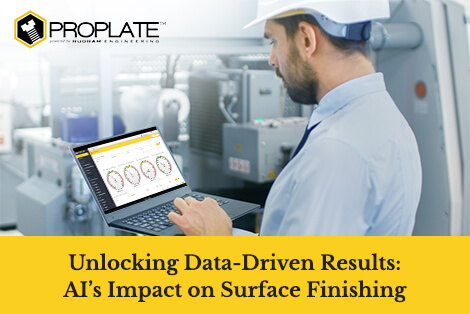
Unlocking Data-Driven Results: AI’s Impact on Surface Finishing Surface finishing, the final step in manufacturing, is significant in enhancing products’ aesthetics, durability, and functionality. Traditionally, this process has relied on manual labor and subjective assessments. However, with the advent of artificial intelligence (AI), the landscape of surface finishing is undergoing a revolutionary transformation.Introduction to Surface FinishingSurface finishing encompasses a range of techniques to improve a material’s surface properties. Whether painting, plating, or polishing, the goal is to achieve desired characteristics such as smoothness, corrosion resistance, or decorative appeal.Importance of Data-Driven ApproachesData has emerged as a crucial asset for informed decision-making in today’s competitive market. Manufacturers can gain valuable insights into process optimization, quality control, and resource allocation by leveraging data-driven approaches.AI Revolutionizing Surface FinishingAutomation in Surface PreparationOne area where AI is making significant strides is in automating surface preparation tasks. Through machine learning algorithms, systems can analyze surface conditions and recommend optimal pre-treatment methods, such as cleaning, sanding, or etching, leading to more consistent results and reduced cycle times. Predictive Maintenance and Quality ControlAI-powered predictive analytics enable real-time monitoring of equipment performance and surface quality. By detecting anomalies and potential defects early on, manufacturers can proactively address issues, minimize downtime, and ensure adherence to quality standards.Enhanced Efficiency and Cost ReductionStreamlined ProcessesBy automating repetitive tasks and optimizing workflows, AI helps streamline surface-finishing processes, increasing efficiency and productivity. This reduces labor costs and accelerates product time-to-market.Reduced Material WasteAI can minimize material waste by precisely controlling coating thickness and application rates through data analysis and optimization algorithms. This not only reduces raw material consumption but also contributes to environmental sustainability.Improved Quality and ConsistencyPrecision in Coating ThicknessOne of the challenges in surface finishing is achieving uniform coating thickness across complex geometries. AI-based control systems can adjust real-time parameters to ensure consistent coverage, improving product quality and performance.Minimization of DefectsAI algorithms can identify and mitigate potential defects, such as runs, sags, or uneven finishes, by analyzing surface data and adjusting process parameters accordingly. This enhances the overall aesthetics and functionality of finished products.Advancements in Material ScienceCustomized Coating SolutionsAI facilitates the development of customized coating solutions tailored to specific applications and performance requirements. Researchers can design coatings with enhanced durability, adhesion, and corrosion resistance by analyzing vast amounts of material data.Tailored Surface PropertiesWith AI-driven surface engineering techniques, manufacturers can tailor surface properties, such as roughness, hydrophobicity, or conductivity, to meet diverse customer needs. This level of customization enhances product functionality and value.Challenges and ConsiderationsWhile AI offers tremendous potential for optimizing surface finishing processes, it poses particular challenges and considerations. These include concerns related to data security and privacy and the integration of AI systems into existing manufacturing infrastructures.Future Outlook: Innovation and GrowthDespite the challenges, the future of surface finishing looks promising with continued advancements in AI technology. From intelligent robotic systems to smart coatings, innovation in this field is poised to drive efficiency, quality, and sustainability.ConclusionIn conclusion, AI’s impact on surface finishing is profound, unlocking new levels of efficiency, quality, and customization. Manufacturers can achieve superior results by harnessing the power of data-driven approaches while staying ahead in today’s competitive market.Unique FAQsHow does AI improve surface finishing quality?AI analyzes surface data in real time, enabling precise control of process parameters to minimize defects and ensure uniform coating thickness.What are the main challenges in adopting AI for surface finishing?Challenges include data security concerns, integration with existing systems, and the need for specialized expertise.Can AI help reduce material waste in surface finishing?AI optimization algorithms can minimize material waste by accurately controlling coating thickness and application rates.What role does predictive maintenance play in surface finishing?Predictive AI-powered maintenance helps identify equipment issues early on, reducing downtime and ensuring consistent quality.How can manufacturers benefit from AI-driven surface engineering?AI enables the development of customized coating solutions tailored to specific applications, enhancing product performance and value. Download Now! 8 Proven Surface Finishing Techniques Every Professional Should Know